
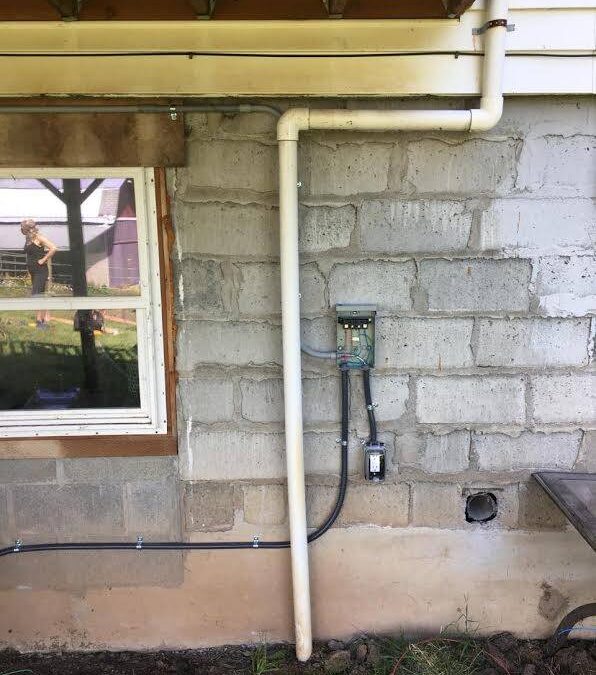
Electrical problems can happen at any time in your home. Power outages, tripped breakers, and faulty outlets often need quick attention to keep your family safe and your home running smoothly. Emergency electrical troubleshooting in Vancouver helps you identify and fix urgent electrical issues before they cause damage or safety hazards.
Many electrical emergencies happen without warning. A breaker might trip during a hot summer day when your air conditioning is running. An outlet could stop working when you need it most. These problems can sometimes wait, but other times they need immediate help from a licensed electrician.
Emergency electrical troubleshooting in Vancouver addresses the urgent power failures that leave homeowners without cooling, lighting, or essential appliances during the hottest months of the year. Understanding where outages originate and how to respond safely can prevent property damage and keep your household running.
In this article, you will learn about:
- Identifying power issues inside the home
- Managing circuit overloads during hot weather
- Unexpected failures in electrical components
- Recognizing critical signs that require an electrician
- How timely response minimizes repair costs
Keep reading to find out what causes sudden power loss in summer and how fast professional response protects your home from costly damage.
Identifying power issues inside the home
When your power goes out, the first step is to figure out where the problem originates and whether it affects just your home or a wider area. Understanding these distinctions helps you decide if you need immediate professional help or if you can resolve the issue yourself.
Assessing the source of outages
Start by checking your main electrical panel to see if any breakers have tripped. Tripped breakers usually sit in a middle position between “on” and “off” or move fully to the “off” position. Reset them by switching them completely off first, then back on.
If your breakers look fine, check if your neighbors have power. Walk outside and look at nearby homes for lit windows or outdoor lights. You can also contact your utility company to report the outage and confirm if they’re aware of problems in your area.
Look at your meter box for any visible damage or disconnection. Sometimes the issue stems from the service connection between the utility line and your home rather than inside your electrical system.
Recognizing localized electrical problems
Localized problems affect only certain rooms, outlets, or circuits in your home. Test different outlets throughout your house to identify which areas have lost power. Plug a lamp or phone charger into various outlets to map out the affected zones.
Check if specific appliances stopped working while others continue to function normally. A single dead outlet or room often indicates a tripped circuit breaker, a blown fuse, or a problem with that specific circuit’s wiring.
Pay attention to any unusual signs before the power loss occurred. Flickering lights, buzzing sounds, burning smells, or warm outlet covers all suggest serious electrical issues that need professional attention right away.
Differentiating issues when surrounding properties have electricity
If your neighbors have power but you don’t, the problem lies within your property’s electrical system. This situation requires different troubleshooting than a neighborhood-wide outage. Check your main breaker first, as it controls power to your entire home.
Verify that your electrical bill is current and paid. While uncommon, utility companies can disconnect service for non-payment. Contact your power company to confirm your account status and rule out this possibility.
Inspect your service panel for any signs of damage, corrosion, or burnt components. These issues require immediate attention from a licensed electrician. Don’t attempt repairs on your main panel yourself, as working with high-voltage service connections poses serious safety risks.
Managing circuit overloads during hot weather
Summer heat drives up electrical demand as air conditioners and cooling devices run for extended periods, pushing circuits beyond their designed capacity. Circuit breakers act as your first line of defense by shutting off power when demand exceeds safe levels, while recognizing patterns in these interruptions helps identify whether your system needs professional attention.
Understanding increased electrical demand
Hot weather creates substantial strain on electrical systems throughout Vancouver homes. Air conditioning units draw significant power when running continuously during heat waves. Window fans, portable coolers, and dehumidifiers add extra load to circuits already handling everyday appliances.
Most residential circuits handle 15 to 20 amps of current. A central air conditioner alone can draw 15 to 20 amps when starting up. Running multiple cooling devices on the same circuit as refrigerators, microwaves, or computers creates conditions for electrical overload. According to the U.S. Energy Information Administration, average residential electricity bills rise during summer months due to increased cooling demand, and households that already operate near their system’s capacity face the highest risk of overloads and outages.
Summer also brings subtle increases in electrical resistance within wiring and connections. Higher ambient temperatures cause components to heat up faster. This combination of increased demand and reduced efficiency makes overloads more likely even when using the same appliances you run during cooler months.
How circuit breakers safeguard your home
Circuit breakers monitor the flow of electricity and automatically cut power when current exceeds safe limits. This prevents wires from overheating, which reduces fire risk in your walls and electrical panel.
When you plug in too many devices or run high-draw appliances simultaneously, the breaker trips before damage occurs. The breaker switches to the off position and stops electricity from flowing to that circuit. You must manually reset it after identifying and removing the excess load.
Common causes that trigger breakers:
- Too many appliances on one circuit
- Short circuits from damaged wiring
- Ground faults from moisture contact
- Motor-driven appliances drawing startup current
Breakers that trip repeatedly signal a serious problem requiring immediate attention. Never replace a breaker with a higher-rated one without consulting an electrician, as this bypasses critical safety protection.
Detecting patterns of repeated overloads
Frequent tripping reveals important information about your electrical system’s capacity and condition. Track which breaker trips, what time it happens, and which devices were running. This data helps electricians diagnose the root cause quickly.
One circuit tripping during specific activities indicates overload on that branch. For example, if the kitchen breaker trips only when running the microwave and toaster together, those devices exceed the circuit’s capacity. Multiple breakers tripping at different times suggests your entire panel operates near maximum capacity and may benefit from load balancing.
Warning signs requiring professional evaluation:
- Breakers trip weekly or more often
- No clear pattern to outages
- Burning smell near the panel
- Warm breaker switches or cover plate
Schedule an electrical inspection if you constantly reset breakers or redistribute loads to prevent tripping. Vancouver’s older homes often need panel upgrades to handle modern electrical demands safely.
Unexpected failures in electrical components
Electrical components can fail without warning, creating dangerous situations that need immediate attention. Breakers may trip repeatedly, loose connections can cause power interruptions, and aging equipment often stops working when you least expect it.
Addressing sudden breaker malfunctions
Circuit breakers protect your home by shutting off power when they detect problems. When a breaker trips once, it’s doing its job. When it trips repeatedly, you have a serious issue that needs professional electrical diagnostics in Vancouver.
A breaker that won’t stay on might indicate:
- Overloaded circuits from too many devices drawing power
- Short circuits where hot wires touch neutral wires
- Ground faults caused by moisture or damaged insulation
- Faulty breakers that have worn out from age or excessive use
You should never replace a breaker with a higher amp rating to stop it from tripping. This removes important protection and creates fire risks. Licensed electricians can identify why your breaker keeps failing and fix the root cause safely.
Impacts of loose connections on power supply
Loose electrical connections happen over time as wires expand and contract from heat. These connections create resistance, which generates more heat and makes the problem worse. You might notice flickering lights, warm outlets, or buzzing sounds.
Loose connections cause multiple problems:
- Inconsistent power delivery to your devices
- Increased risk of electrical fires
- Damage to sensitive electronics
- Higher energy bills from wasted electricity
These issues often hide inside walls, outlets, or electrical panels where you can’t see them. Professional troubleshooting finds these dangerous connections before they cause fires or equipment damage. Installing surge protection can also help safeguard sensitive electronics from the voltage fluctuations that loose connections produce.
Challenges with outdated wiring and equipment
Old wiring systems weren’t designed for modern electrical demands. Homes built before 1980 often have aluminum wiring, ungrounded outlets, or insufficient amperage for today’s appliances. According to the U.S. Department of Energy, maintaining up-to-date electrical infrastructure and proper grounding is essential for residential safety, as outdated systems create resistance and heat buildup that increase the risk of fire and equipment failure.
Common problems with aging systems:
- Cloth insulation that deteriorates and exposes wires, requiring complete rewiring
- Two-prong outlets with no ground protection, needing upgrades to three-prong GFCI
- 60-amp service that can’t handle modern loads, requiring a panel upgrade to 200 amps
- Knob-and-tube wiring that presents a fire hazard and requires full replacement
Your electrical system might work fine for years until one component fails and triggers a cascade of problems. Emergency electrical troubleshooting in Vancouver identifies these weak points and prevents complete system failures.
Recognizing critical signs that require an electrician
Certain electrical problems demand immediate attention from an emergency electrician Vancouver to prevent fires, injuries, or property damage. Burning smells, visible sparks, flickering lights, and overheating components signal serious issues that require professional help right away.
Identifying burning smells, sparks, and overheating
A burning smell near outlets, switches, or your electrical panel means something is overheating or melting inside your walls. This often indicates damaged wiring, overloaded circuits, or failing connections. You should never ignore this warning sign.
If you see sparks when plugging in devices or flipping switches, shut off power to that area immediately. Sparks indicate arcing electricity, which can ignite surrounding materials within seconds.
Warm or hot outlets and switch plates point to dangerous conditions. Your electrical components should feel cool or slightly warm to the touch. Hot spots mean wires are carrying too much current or connections have loosened over time.
Warning signs requiring emergency electrical service Vancouver:
- Burning plastic or rubber odors from outlets or panels
- Visible sparks or flashes when using switches
- Discolored or scorched outlet covers
- Buzzing or sizzling sounds from electrical fixtures
- Outlets or switches that feel hot to touch
Interpreting flickering or dimming lights
Flickering lights occasionally when large appliances turn on is normal. Constant flickering or dimming throughout your home signals a serious problem with your electrical system.
Lights that dim when you use certain appliances mean your circuits can’t handle the electrical load. This overload condition creates fire risks and can damage your expensive electronics and appliances.
If lights flicker in multiple rooms or your entire house, the issue likely exists in your main electrical panel or service connection. These problems require professional diagnosis and repair from a licensed electrician.
Loose wiring connections cause intermittent contact that creates flickering. These loose connections generate heat and pose immediate fire hazards that worsen over time. According to the National Fire Protection Association, electrical distribution equipment including wiring, outlets, and panels is involved in a significant share of home structure fires each year, reinforcing why recurring symptoms like flickering and overheating should never be dismissed.
When immediate action is necessary for safety
Call an emergency electrician Vancouver immediately if your circuit breakers trip repeatedly. This means your electrical system is protecting you from a dangerous overload or short circuit.
Any shock you feel when touching appliances, switches, or outlets requires urgent attention. Even small tingles indicate current is flowing where it shouldn’t, creating electrocution risks.
Water exposure to electrical components demands immediate professional help. Turn off power at the main panel if you can do so safely, then contact emergency electrical service Vancouver before touching any wet electrical equipment.
Smoke coming from outlets, switches, or your electrical panel means active burning is occurring inside your walls. Evacuate your home and call 911 first, then contact an emergency electrician once everyone is safe.
How timely response minimizes repair costs
Fast response to electrical emergencies protects your business from expensive damage and keeps small problems from turning into major failures. Getting help quickly saves money in three key ways: finding problems faster, restoring power safely, and preventing future issues.
Locating the source of outages efficiently
When you call an emergency electrician in Vancouver, they typically arrive within one to two hours. This quick arrival time matters because electrical problems get worse the longer they wait.
A trained electrician can diagnose issues in minutes using the right tools and experience. They check circuit breakers, test power panels, and examine wiring systematically. This organized approach finds the real problem instead of guessing.
Many electrical issues share similar symptoms. A flickering light could mean a loose bulb or a serious wiring fault. Without proper electrical diagnostics, you might fix the wrong thing and waste money.
Emergency electricians bring fully equipped service vans with testing equipment. They can check voltage levels, trace circuits, and identify failing components on the spot. This eliminates multiple trips and reduces your total repair costs.
Ensuring reliable power restoration
Business downtime can cost up to $10,000 per hour in Vancouver when production stops. Emergency electrical repair Vancouver services focus on getting your power back safely and quickly.
Electricians prioritize critical systems first. They restore power to essential equipment before handling minor issues. This approach gets your business running again while they complete remaining repairs.
Key power restoration steps:
- Isolate the problem circuit
- Verify safety of electrical panel
- Test connections and components
- Restore power in stages
- Confirm stable operation
Proper restoration prevents repeated failures. Rushing the job or missing damaged components leads to another outage within days. Professional electricians check related systems to ensure everything works correctly.
Reducing risk of future electrical emergencies
Emergency repairs cost more than scheduled maintenance. Fast response helps identify why the problem happened in the first place.
Electricians spot warning signs during emergency calls. They notice overloaded circuits, outdated equipment, or improper installations. Fixing these issues during the emergency visit prevents another costly breakdown.
Common preventable problems:
- Overheating electrical panels
- Corroded wire connections
- Undersized circuit breakers
- Worn outlet contacts
Many emergency electrical repair Vancouver services provide detailed reports. These reports show what failed and what might fail next. You can plan upgrades during normal hours instead of paying emergency rates later.
Equipment failures often give warning signs weeks before breaking completely. An electrician who responds quickly can document these signs. Your maintenance team can then address problems before they cause downtime. For properties with critical power needs, a backup generator provides an additional layer of protection against extended outages.
Conclusion
Electrical emergencies can happen at any time in your Vancouver home or business. You need to know how to respond quickly and safely when they occur.
You should always have contact information for a 24/7 emergency electrician saved in your phone. Many Vancouver electrical companies offer same-day service and fast response times. Licensed and insured professionals can diagnose problems quickly and fix them correctly.
Prevention helps you avoid emergencies. Schedule regular electrical inspections for your property. Watch for warning signs like flickering lights, burning smells, or frequently tripping breakers. These issues often indicate bigger problems that need attention.
Your safety comes first in any electrical situation. Don’t try to fix serious electrical problems yourself. Professional electricians have the training, tools, and experience to handle dangerous situations properly.
Keep an emergency plan ready for your home or business. This plan should include emergency contacts, location of your electrical panel, and basic safety procedures. Contact Peak Electric Group to schedule an inspection or get emergency electrical help in Vancouver when power issues cannot wait.
Recent Comments