
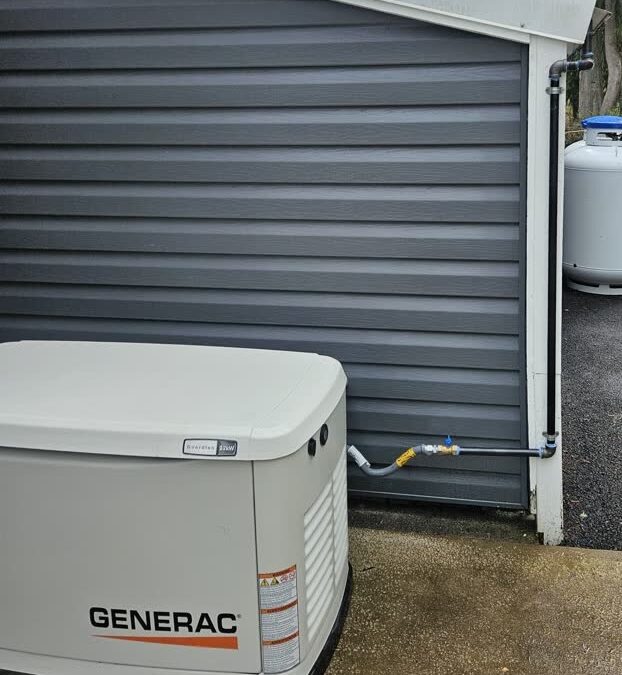
When the lights go out in Portland, the cost adds up fast in spoiled food, frozen pipes, and lost work hours. Hiring qualified backup generator installers for reliable power solutions in Portland is the most direct way to keep your home running through storms, grid failures, and seasonal outages.
Power outages can happen at any time in Portland, and they can disrupt your daily life in serious ways. A backup generator keeps your home running when the electrical grid fails. Professional backup generator installers in Portland can help you choose the right system and install it correctly so your home stays powered during outages.
Many Portland homeowners face challenges when the power goes out. Your refrigerator stops working, your heating system shuts down, and you lose access to important devices. A backup generator solves these problems by automatically supplying power to your home within seconds of an outage.
Finding the right installer matters because backup generators need proper sizing, safe electrical connections, and code-compliant installation. This article will help you understand what to look for when choosing a generator installer in Portland and how to keep your system working reliably for years to come.
In this article, you will learn:
- Household challenges during power outages
- Impact of generator sizing on performance
- Benefits of professional generator installation
- Portland weather and power reliability
- Maintenance practices for generator dependability
Keep reading to understand exactly what a properly installed backup generator should do for your home and how to choose an installer who will get it right the first time.
Household challenges during power outages
Power outages create immediate problems for Portland homes, from spoiled food and flooded basements to disrupted work schedules and uncomfortable living conditions. Understanding these challenges helps you recognize why emergency power solutions Portland residents rely on matter so much.
Food spoilage and sump pump failures
Your refrigerator can only keep food safe for about four hours without power. According to the U.S. Food and Drug Administration, perishable foods held above 40°F for more than two hours should be discarded to avoid foodborne illness, which means a single afternoon outage can put an entire refrigerator at risk. A freezer holds its temperature longer, but only if you keep the door closed.
Food loss during an extended outage can cost hundreds of dollars. You face the frustration of throwing away groceries and the health risk of eating spoiled food.
Sump pumps need electricity to prevent basement flooding. When power goes out during heavy rain or snowmelt, water can quickly accumulate in your basement. This leads to water damage, ruined belongings, and potential mold growth that costs thousands to repair.
Heating and cooling system interruptions
Portland winters bring cold temperatures that make heating essential. Without power, your furnace stops working. Your home loses heat quickly, especially if you have poor insulation or older windows.
Pipes can freeze when temperatures drop below 32°F. Frozen pipes burst and cause extensive water damage throughout your home.
Summer heat waves create different but equally serious problems. Without air conditioning, your home becomes uncomfortably hot. This poses health risks for elderly family members, young children, and anyone with medical conditions.
Risks for remote workers and home businesses
You lose internet access during power outages since routers and modems need electricity. This cuts off your ability to work from home, attend virtual meetings, or meet deadlines. Lost productivity means lost income.
Your computers and equipment shut down without warning. This can result in lost work and corrupted files. External hard drives and cloud backups become inaccessible without power.
Home-based businesses face additional challenges. You cannot process orders, respond to customers, or maintain operations. Each hour without power costs you money and damages your professional reputation.
Impact of generator sizing on performance
Getting the right generator size directly affects how well your backup power system works and how long it lasts. A mismatch between your power needs and generator capacity leads to equipment problems, higher costs, and unreliable performance during outages.
Issues with undersized generators
An undersized generator struggles to meet your home’s power demands. The unit runs constantly at maximum capacity, which creates excessive heat and accelerates wear on internal components.
Your generator may fail to start large appliances like air conditioners or well pumps. The motor pulls more current than available, causing voltage drops that damage sensitive electronics. You’ll notice lights dimming and appliances shutting off unexpectedly, problems that often overlap with the common causes of flickering lights seen in homes with stressed electrical systems.
The engine works harder than designed, burning through fuel faster and requiring more frequent maintenance. Most undersized generators fail within a few years instead of lasting their expected 10-15 year lifespan. Your warranty may not cover damage caused by overloading the system beyond its rated capacity.
The need for electrical load calculations
Professional load calculations determine exactly how much power your home requires. Your installer examines your electrical panel and identifies which circuits you need during an outage. In many older Portland homes, this assessment reveals that a residential electrical panel upgrade is needed before a generator can be safely connected.
The calculation accounts for starting watts and running watts. Motors in your HVAC system, refrigerator, and other appliances need 2-3 times more power to start than to run. A proper assessment includes these surge requirements to prevent overloads.
Load management strategies help you run a smaller generator efficiently. You can stage when appliances turn on instead of starting everything at once. Your installer may recommend a load-shedding system that automatically prioritizes essential circuits during peak demand, which is also a useful approach for load balancing in safer electrical systems.
Fuel type and generator efficiency
Natural gas generators connect to your existing gas line and provide unlimited runtime during extended outages. They produce slightly less power than propane or diesel units of the same size, which affects your sizing requirements.
Propane units deliver consistent power output and store fuel indefinitely without degradation. You need adequate tank capacity based on your generator’s fuel consumption rate, typically 2-3 gallons per hour for a 20kW unit running at half load.
Generator efficiency drops when you run the unit below 30% capacity or above 80% capacity for extended periods. Your system performs best when sized to operate between these ranges during typical use.
Benefits of professional generator installation
Professional installation protects your investment and keeps your family safe during power outages. Certified installers handle complex electrical work, ensure code compliance, and position your system for maximum performance.
The role of transfer switches
A transfer switch controls how power flows between your utility line and backup generator. When the main power fails, this device automatically disconnects your home from the grid and connects it to your generator. Without proper installation, you risk dangerous backfeeding that can injure utility workers or damage your electrical system.
Manual vs. automatic transfer switches:
- Manual switches require you to physically flip the switch during an outage
- Automatic switches detect power loss and switch within seconds without any action from you
Professional whole home generator installers size transfer switches to match your electrical panel capacity. They connect critical circuits like refrigerators, heating systems, and medical equipment first. If your generator can’t power everything at once, they prioritize what matters most.
The switch must integrate with your existing electrical panel and meet local electrical codes. Licensed installers test the switch multiple times to verify it works correctly before finishing the job.
Electrical safety and code compliance
Backup generator installation in Portland requires permits and inspections from local authorities. Licensed electricians understand Oregon’s electrical codes and Portland’s specific requirements, which is why working with a code compliance electrician in Portland helps your upgrade pass inspection the first time. They pull the necessary permits and schedule inspections to keep your installation legal.
Improper wiring creates fire hazards and carbon monoxide risks. According to the U.S. Consumer Product Safety Commission, portable generators are responsible for roughly 85 carbon monoxide deaths each year in the United States, with most incidents tied to units placed too close to living spaces or connected without the proper hardware. Professional installers use the correct wire gauge, breaker sizes, and grounding systems for your generator’s output. They install weatherproof connections and properly rated conduit to protect wiring from the elements.
Your homeowner’s insurance may deny claims if your generator wasn’t installed to code. Professional installation documents meet insurance requirements and protect your coverage. Many manufacturers also require professional installation to honor warranty terms on residential backup generator installation.
Importance of proper generator placement
Your generator needs adequate clearance from windows, doors, and air intakes. Exhaust fumes contain deadly carbon monoxide that can enter your home through openings. Portland building codes specify minimum distances from your house and property lines.
The generator pad must be level and stable to prevent vibration damage. Professional installers pour concrete pads or install composite bases that handle the unit’s weight and resist settling. They account for drainage to prevent water pooling around electrical components.
Noise levels matter in residential neighborhoods. Installers position units away from bedroom windows and consider your neighbors’ properties. They evaluate fuel line runs from natural gas or propane sources to minimize installation costs while maintaining safety standards.
Portland weather and power reliability
Portland’s climate brings ice storms, windstorms, and heavy rain that regularly disrupt electrical service. These weather events create power surges and extended outages that put your home systems at risk.
Storm-related outages in the region
Portland experiences several weather patterns that cause power failures throughout the year. Ice storms coat power lines and tree branches with heavy ice that snaps lines and brings down electrical infrastructure. Winter windstorms with gusts over 50 mph topple trees onto power equipment. According to the U.S. Energy Information Administration, U.S. electricity customers averaged more than seven hours of power interruptions in 2022, with major weather events driving most of that downtime.
The region’s terrain makes restoration challenging. Power crews often need days to restore service in hillier areas outside the city center. The 2021 ice storm left some Portland-area residents without electricity for over a week.
Heavy rain saturates soil around utility poles, making them unstable during wind events. The combination of wet ground and strong winds increases the likelihood of downed power lines. Coastal storms that move inland bring particularly destructive conditions to the metro area.
Appliance and system risks from surges
Power surges occur when electricity returns after an outage. These voltage spikes damage sensitive electronics in your home. Your refrigerator compressor, HVAC control boards, and computer equipment face the highest risk, which is why proper power surge protection maintenance belongs in any serious backup power plan.
Common appliances damaged by surges:
- Refrigerators and freezers
- Washing machines and dryers
- HVAC systems
- Smart home devices
- Entertainment systems
Power fluctuations before a complete outage also harm equipment. Your devices experience multiple smaller surges as the grid becomes unstable. Modern appliances with digital controls and circuit boards are more vulnerable than older mechanical models.
Maintaining critical systems in severe weather
Your home needs continuous power for essential functions during storms. Medical equipment like CPAP machines, oxygen concentrators, and refrigerated medications require uninterrupted electricity. Sump pumps prevent flooding during heavy rainfall events.
Security systems go offline without backup power. You lose monitoring, cameras, and alarm functionality when you need them most. Smart locks may fail, creating access problems.
Your heating system keeps pipes from freezing during winter storms. A home that drops below 55°F risks burst pipes and water damage. Food in your refrigerator and freezer spoils within hours once temperatures rise above safe levels.
Maintenance practices for generator dependability
Regular maintenance keeps your backup generator ready to start when the power goes out. Battery health, fuel quality, and scheduled servicing form the foundation of reliable standby generator performance, much like the discipline behind electrical maintenance contracts for the rest of your home’s electrical systems.
Battery testing and emergency preparedness
Your generator’s battery provides the starting power during an outage. A weak or dead battery means your backup system won’t start when you need it most.
Test your battery voltage monthly using a multimeter. Most generator batteries should read between 12.4 and 12.7 volts when fully charged. Anything below 12.4 volts indicates the battery needs charging or replacement.
Clean battery terminals every three months to prevent corrosion buildup. White or green deposits block electrical connections and reduce starting power. Use a wire brush and baking soda solution to remove corrosion.
Check battery fluid levels in non-sealed batteries twice per year. Add distilled water to reach the proper fill line marked on each cell. Low fluid levels damage battery plates and shorten battery life.
Fuel and oil inspection protocols
Diesel and gasoline degrade over time, creating problems for your generator engine. Old fuel causes hard starting, rough running, and potential engine damage.
Add fuel stabilizer to gasoline tanks if you don’t run your generator monthly. Stabilizer prevents fuel breakdown for up to 24 months. Diesel fuel needs biocide additives to prevent algae growth in the tank.
Change engine oil every 100 hours of operation or annually, whichever comes first. Dark or dirty oil no longer protects engine parts from wear. Use the oil weight and type specified in your owner’s manual.
Inspect fuel lines and connections for cracks or leaks during each oil change. Replace any damaged lines immediately. Check fuel filters and replace them according to manufacturer guidelines.
Scheduled servicing for component longevity
Professional standby generator service catches problems before they cause failures. Trained technicians spot worn parts and potential issues during routine inspections, similar to what a thorough home electrical safety inspection reveals about the rest of your system.
Schedule maintenance visits every six months for most residential generators. Commercial or frequently-used systems need quarterly servicing. Service visits include air filter replacement, spark plug inspection, and cooling system checks.
Essential service tasks include:
- Air filter cleaning or replacement
- Spark plug gap adjustment and replacement
- Coolant level verification and testing
- Belt tension and wear inspection
- Control panel function testing
- Transfer switch operation verification
Load bank testing confirms your generator produces proper voltage and frequency under full power demand. Many service providers recommend annual load testing to verify system capacity. This test runs your generator at various load levels to identify voltage regulation problems or engine performance issues.
Conclusion
Finding the right backup generator installer in Portland protects your home during power outages. You have access to multiple qualified companies that serve the Portland Metro area, including options in Salem, Beaverton, and Eugene.
Local installers work with major brands like Generac, Kohler, and Champion. They offer both standby generators that connect directly to your electrical panel and portable generator solutions with code-compliant interlock kits.
You should get multiple quotes from licensed electricians in your area. Professional installation ensures your generator meets local electrical codes and safety standards. Portland experiences winter storms and weather events that can cause extended outages, making backup power a practical investment.
Most installers offer free estimates for generator services. You can compare pricing, equipment options, and maintenance plans before making your decision. Look for companies with strong customer reviews and proper licensing.
Your backup power needs depend on your home size, budget, and which systems you want to keep running during outages. Licensed installers can assess your electrical panel and recommend the right generator size for your property. To get a professional assessment and a properly installed system before the next outage hits, schedule service with Peak Electric Group today.
Recent Comments