Industrial electrical service you can rely on
Peak Electric Group has the experience to complete industrial electrical work safely, professionally, and with minimal disruption to your operation. When equipment uptime and jobsite safety are on the line, you need electricians who understand industrial environments and can execute to plan. From equipment hookups to maintenance support and urgent troubleshooting, we help keep your facility running reliably. Call 503-397-7818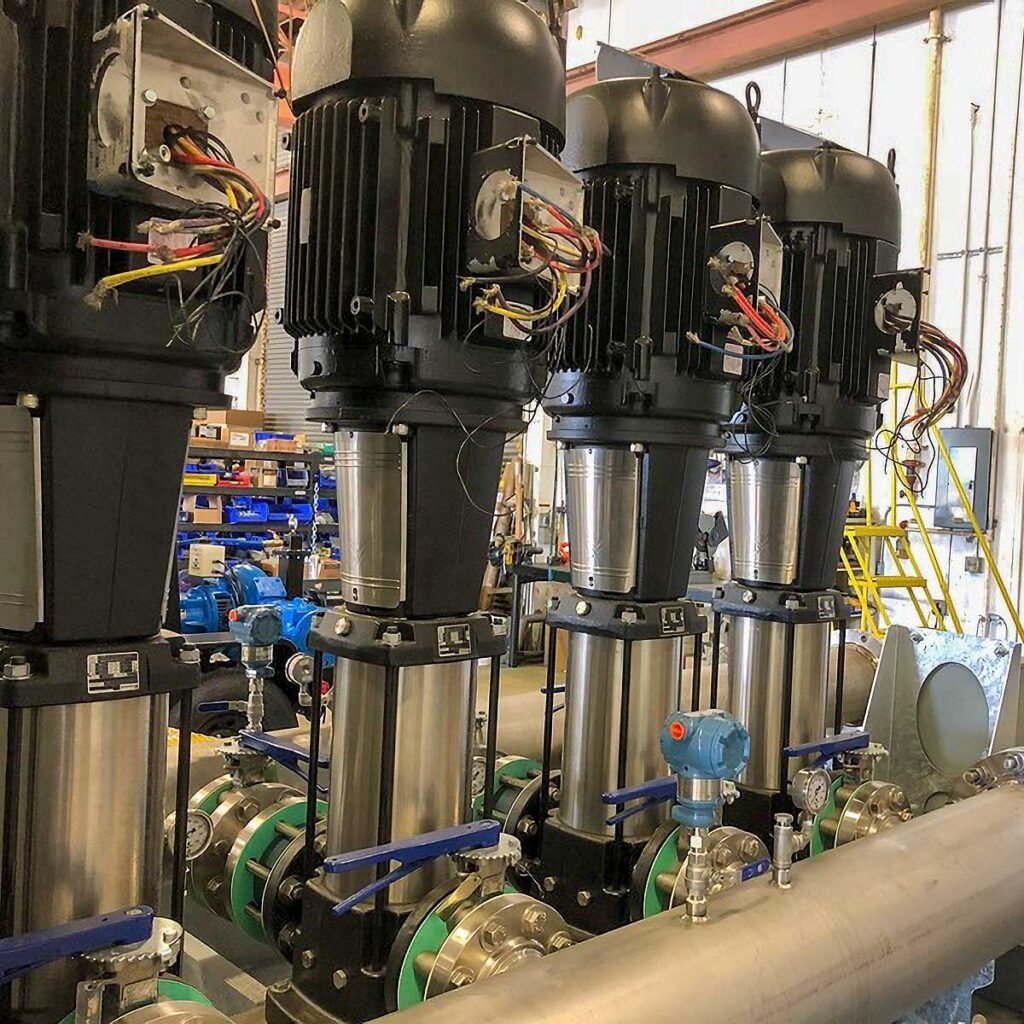
Choose Peak as your industrial electricians of choice
Industrial electrical work is not the place for guesswork. You need a contractor who can work safely around production equipment, follow site rules, and resolve issues without creating new downtime. Peak Electric Group supports industrial customers with organized planning, clear communication, and work that is completed with a strong focus on reliability, safety, and operational continuity.
- We are dependable. We coordinate access, schedules, and site requirements so work stays on track.
- We stand for quality. We complete industrial electrical work to a consistent standard that supports performance and inspection readiness.
- We are employee-owned. Our team is invested in accountability and safety, with every electrician empowered to protect the jobsite.
- We are trustworthy. We communicate openly about findings, risks, and the most practical options to get you back online.
- We are committed to service. We aim to be a long-term electrical partner for your facility, not a one-time fix.
Industrial electrical services and support
Peak Electric Group helps industrial facilities maintain safe, reliable power for equipment and production operations. We support installation, maintenance, and troubleshooting with an approach built around safety, clear scope, and minimizing downtime.
Motors and Pumps
Installation, service, and repair of equipment motors and pumps.
Equipment Troubleshooting
We can identify and fix your factory equipment and machinery.
24/7 Emergency Service
Equipment down? Call Peak Electric for rush service and get back up and get your shop running again.
How Can Peak Help With Your Next Industrial Electrical Project?
Industrial sites require electrical work that is safety-driven, operationally aware, and executed with disciplined coordination. Peak Electric Group supports a wide range of industrial electrical scopes, and we can help you plan the right next step if you are not sure where to start.
- New Construction
- Motors
- Pumps
- Feeders
- Switchgear Service
- Motor Control Stations
- Control Wiring
- Lighting
- Backup generator wiring and hookup
- Welders
- 24/7 Emergency Service
A process built for safety, uptime, and production environments
Industrial electrical work often happens in active facilities where equipment, people, and schedules intersect. Peak Electric Group uses a consistent process designed to reduce risk, avoid preventable downtime, and keep work aligned with your site requirements.
- Confirm scope, safety rules, and operational constraints
We review what needs to be done, identify critical equipment, confirm access, and align on site safety procedures and required coordination. - Evaluate conditions and plan the safest approach
We assess existing power, equipment connections, control wiring, and system condition, then define the safest and most practical installation or repair path. - Coordinate scheduling to minimize downtime
We align work with production windows, lockout and tagout requirements, and any sequencing needed with maintenance teams or other trades. - Execute with industrial-grade workmanship
Work is completed with disciplined jobsite practices, code compliance, and attention to details that impact reliability in harsh environments. - Verify performance and communicate next steps
We confirm system operation, review what was completed, and flag any risks or recommended improvements that support long-term uptime.
Industrial electrical projects we complete
Industrial customers rely on Peak Electric Group for electrical work that supports equipment performance, plant safety, and consistent production uptime. Below are examples of industrial projects similar to what we handle, along with the outcome each one is designed to deliver.
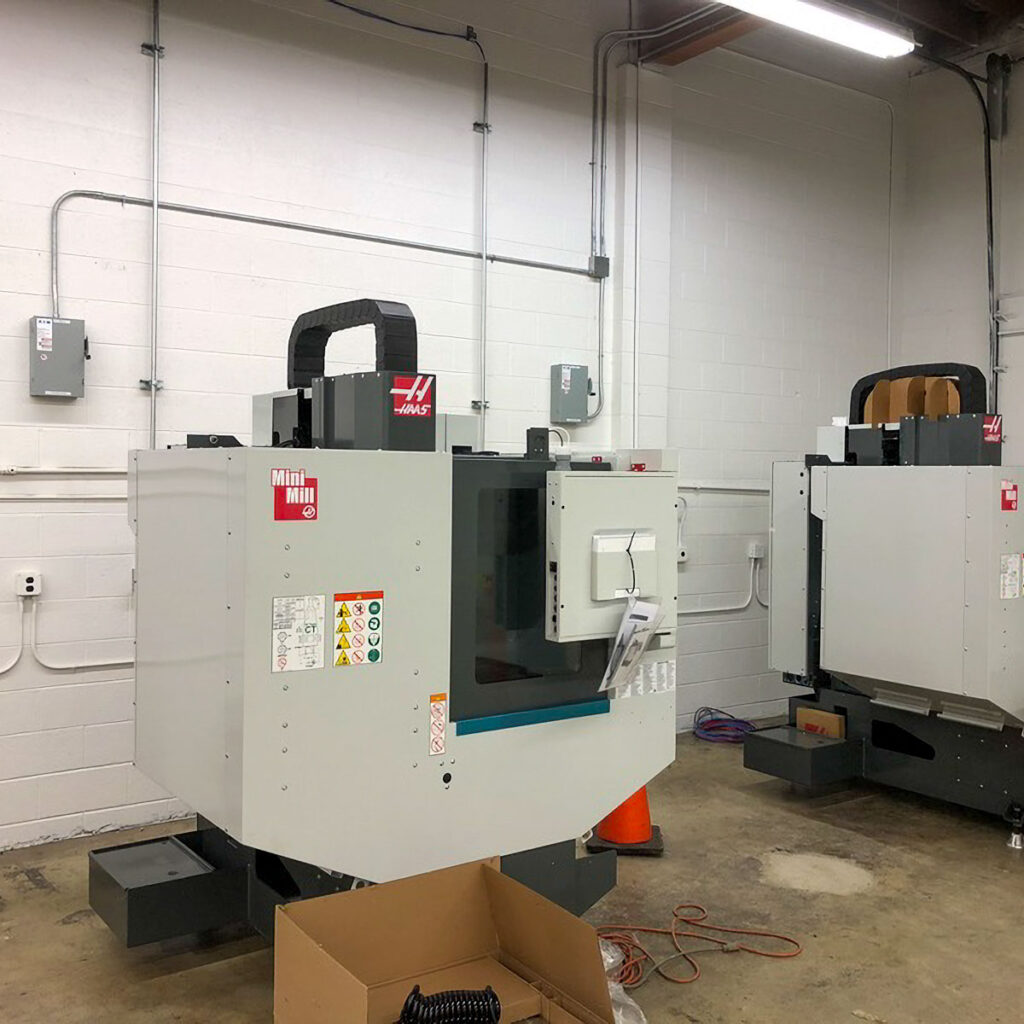
Industrial equipment power hookups (CNC machines and production equipment)
Power connections for new industrial equipment, including routing, connection, and verification to support safe startup and reliable operation.
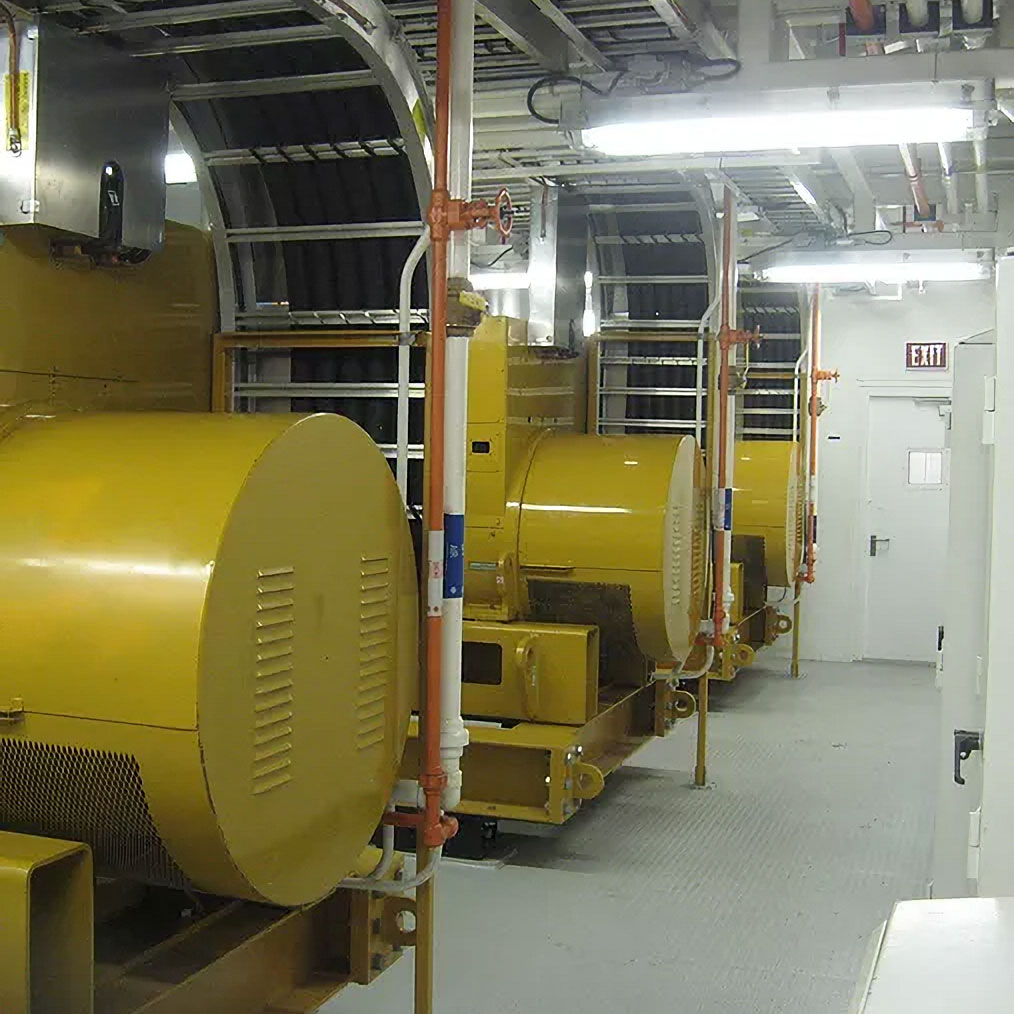
Preventive maintenance support for industrial machinery
Electrical support that fits into your maintenance program, helping reduce unexpected failures by addressing wear, load concerns, and developing issues early.
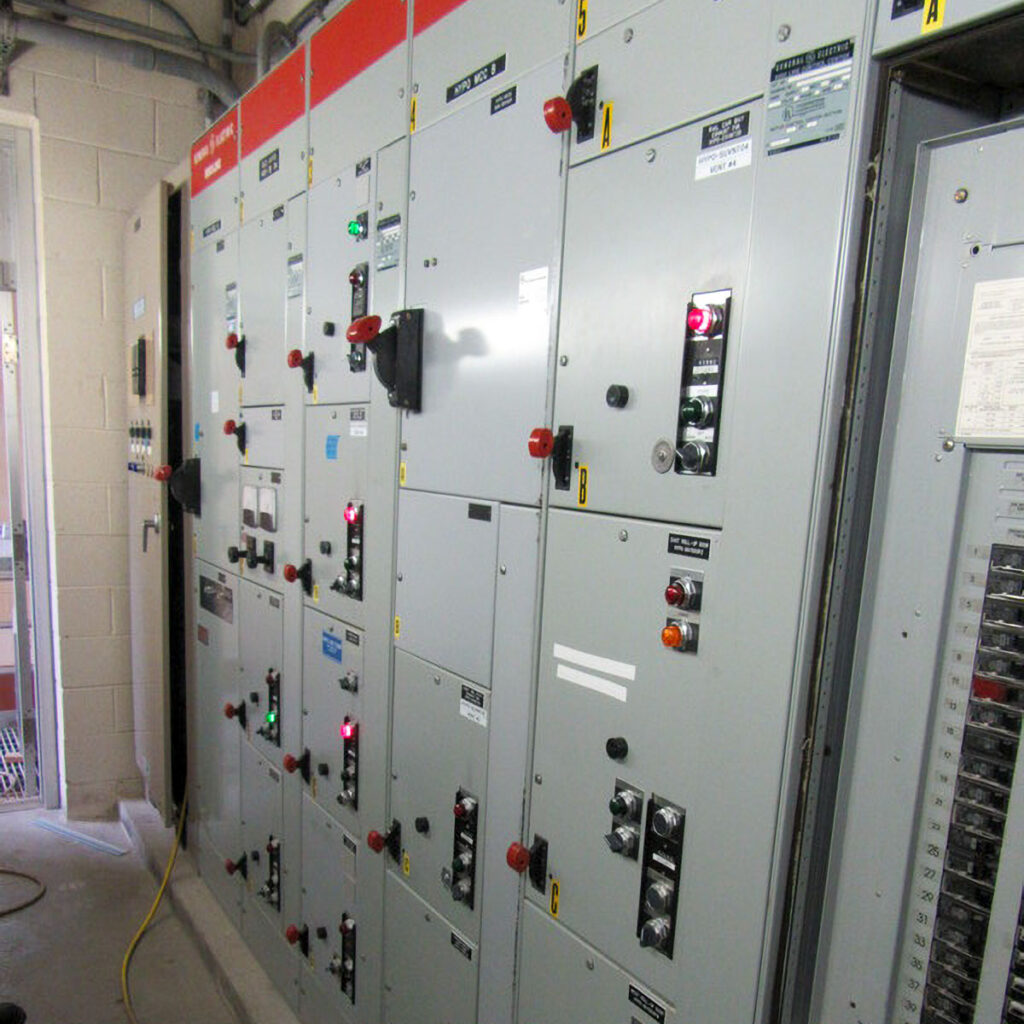
Industrial panels and manufacturing power connections
Electrical service and new panel connections for manufacturing environments, with a focus on safe distribution, clean terminations, and long-term reliability.
Stop By
50425 Columbia River Hwy
Scappoose OR 97056
Call Us
503-397-7818
Most common questions about industrial electrical projects
1) Can you install and connect new industrial equipment without creating extended downtime?
Often, yes. The best outcomes come from planning: confirming electrical requirements, identifying available capacity, coordinating shutdown windows, and sequencing work so only the necessary parts of the facility are affected. Many equipment hookups can be staged in advance, such as conduit runs, mounting, and prep work, then completed during a controlled cutover. If an outage is required, we coordinate timing and restoration steps so your team can plan production and safety coverage accordingly.
2) What is typically included in industrial equipment troubleshooting?
Industrial troubleshooting starts with understanding the symptoms, the equipment’s power and control architecture, and what changed before the failure. The work commonly includes verifying power quality, checking feeders and protective devices, inspecting terminations and connections, and testing control wiring components tied to the equipment. The goal is to isolate the electrical root cause safely and efficiently, then complete a repair that restores reliable operation rather than a temporary workaround.
3) How does preventive maintenance reduce electrical failures in industrial environments?
Preventive maintenance helps you catch electrical issues before they become downtime events. Common risk points in industrial settings include loose connections, heat-related degradation, vibration effects, moisture intrusion, and components that are operating near capacity. Maintenance support can include inspections, checking for abnormal heat or wear signs, verifying protective devices, and identifying patterns such as repeated trips or intermittent faults. Over time, this reduces emergency calls, protects equipment, and improves operational predictability.
4) Do industrial electrical projects require permits or inspections?
Many industrial electrical scopes do, especially when work involves new feeders, panels, switchgear, permanent wiring changes, or construction-related electrical installations. Requirements depend on jurisdiction and project scope, but permits and inspections are common for work that affects distribution systems or involves new construction. These steps help validate safety and code compliance, and they can also be important for insurance and facility documentation.
5) What is switchgear service, and when is it needed?
Switchgear service generally refers to work involving the equipment that controls, protects, and isolates electrical power distribution in a facility. Service may be needed when you are expanding capacity, adding new loads, addressing reliability issues, or responding to signs of wear such as abnormal heat, noise, or nuisance trips. Because switchgear is critical to facility power, service should be planned carefully with the right safety procedures and coordination to avoid unnecessary disruption.
6) What should we consider when working with motors and pumps electrically?
Motors and pumps depend on correct power delivery, protection, and controls. Electrical considerations include proper sizing of feeders and protective devices, motor control equipment condition, start-up behavior, and any environmental factors like moisture, dust, or vibration. If you are replacing equipment or changing usage patterns, it is important to confirm compatibility so you do not introduce overheating, nuisance trips, or premature component failure. A focused assessment helps ensure the system supports reliable operation over time.
7) What qualifies as an industrial electrical emergency, and what should we do first?
An industrial electrical emergency is any event that creates immediate safety risk or critical production impact. Examples include arcing, burning smells, smoke, sparking panels, repeated trips on essential equipment, loss of power to critical systems, or abnormal heat at electrical components. If there is smoke, active arcing, or signs of fire, contact emergency services first. If it is safe to do so, shut down the affected equipment or circuit and keep personnel away from the area until it is inspected. Rapid response matters because electrical failures can escalate quickly in industrial settings.
Get industrial electrical support that protects safety and uptime
If you are adding new equipment, building out a facility, or dealing with electrical issues that are impacting production, Peak Electric Group is ready to help. We support industrial customers with safe, professional electrical work and clear coordination that fits the realities of active sites. Share what you need done, where the facility is located, and any key constraints such as production windows, access requirements, or critical equipment that cannot go down, and we will guide you toward the right next step. Whether you need equipment hookups, maintenance support, troubleshooting, or emergency response, we focus on organized execution that gets your operation back to stable, reliable performance.