
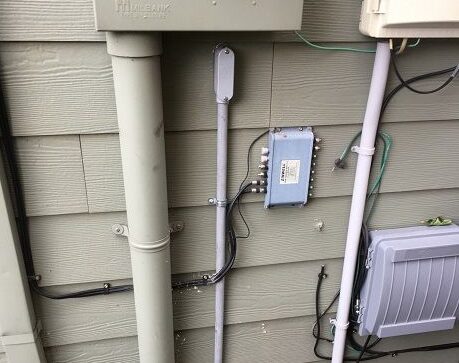
Power surges can damage your home’s electronics and appliances in seconds, often without warning. If your surge protection system fails or your devices get damaged during a power surge, professional repair services can restore your protection and fix affected equipment. Understanding how surge protection works and when it needs repair helps you avoid costly damage to your valuable electronics.
Your home faces power surges from several sources, including lightning strikes, utility company issues, and even your own large appliances. Standard power strips offer limited protection and can’t safeguard hardwired devices like your HVAC system or major appliances. A whole-home surge protection system installed at your electrical panel provides complete coverage for everything in your house.
Knowing when your surge protection needs repair keeps your home safe from electrical damage. Here’s what this guide covers:
- Benefits of power surge protection systems
- Common causes of power surges in residential homes
- Warning signs of surge protection system problems
- Professional solutions for power surge protection repairs
- Preventive measures to reduce future surge damage
Keep reading to learn how to identify surge protection failures early and take the right steps to protect your home’s electronics and appliances before the next voltage spike hits.
Benefits of power surge protection systems
Surge protection systems shield your electrical equipment from dangerous voltage spikes that can damage or destroy electronics. These systems work differently depending on whether you install whole-house protection or point-of-use devices, and each type offers specific advantages for protecting your valuable equipment.
How surge protectors prevent voltage spikes
Surge protectors act as barriers between excess voltage and your electrical devices. When a power surge occurs from lightning strikes, utility problems, or large appliances turning on and off, the voltage spike protection device redirects the extra electricity away from your equipment.
Most surge protectors use metal oxide varistors (MOVs) that detect when voltage exceeds safe levels. These components absorb the excess energy and send it to the ground wire instead of letting it reach your devices. The process happens in milliseconds, fast enough to stop damage before it starts.
Basic surge protectors handle smaller surges between 400 and 6,000 volts. More advanced models protect against surges up to 40,000 volts or higher. The protection level you need depends on your location and the sensitivity of your equipment.
Difference between whole-house and point-of-use protection
Whole-house surge protectors install at your main electrical panel and protect every circuit in your home. They guard against large surges from outside sources like lightning strikes and utility grid issues. These systems safeguard hardwired appliances, HVAC equipment, and all your outlets at once.
Point-of-use protectors, commonly seen as power strips, plug into individual outlets and protect only the devices connected to them. They typically handle surges of 2-3kA and cost much less than whole-house systems. However, they leave gaps in your protection coverage.
The best approach combines both types. Whole-house protection blocks major surges at the source, while point-of-use devices add another layer of defense for expensive electronics like computers and entertainment systems.
You should never daisy-chain multiple surge protectors together. This practice overloads circuits and reduces protection effectiveness, creating safety hazards instead of preventing them.
Importance of protecting sensitive electronics
Modern electronics contain delicate microprocessors and circuits that fail when exposed to voltage fluctuations. Your computers, televisions, smart home devices, and kitchen appliances all need protection from power surges.
A single surge can permanently damage electronics worth thousands of dollars. Even small voltage spikes that don’t immediately destroy equipment can shorten its lifespan by degrading internal components over time. Replacing damaged electronics costs far more than installing surge protection.
Medical equipment, home office setups, and security systems require consistent power to function properly. Surge protection keeps these critical devices running without interruption. Data loss from damaged hard drives and corrupted files can’t always be recovered, making protection essential for any device that stores important information.
Your HVAC system, refrigerator, and other major appliances also benefit from surge protection. These expensive systems last longer when protected from electrical stress caused by repeated voltage spikes.
Common causes of power surges in residential homes
Power surges happen when voltage suddenly spikes above the standard 120 volts flowing through your home’s electrical system. These voltage spikes can come from external sources like storms or internal issues like your own appliances.
Lightning strikes and weather-related electrical spikes
Lightning creates the most powerful and destructive surges your home can experience. According to the National Oceanic and Atmospheric Administration, approximately 25 million lightning flashes strike the United States each year, with peak activity concentrated in the summer months. When lightning strikes near power lines or utility equipment, it sends massive voltage through the electrical grid directly into your home’s wiring.
You don’t need a direct strike on your house to experience damage. Lightning hitting anywhere near your neighborhood’s power infrastructure can affect your home. The surge travels through power lines and enters through your electrical panel.
Weather events beyond lightning also cause electrical disturbances. High winds can knock tree branches into power lines, creating sudden voltage changes. Ice storms damage electrical equipment and cause similar problems when power gets restored.
Utility grid fluctuations and power restoration surges
Your utility company’s electrical grid experiences constant changes in power demand and supply. When the power company switches between different power sources or redirects electricity to different areas, voltage fluctuations occur. These changes usually happen without you noticing, but they still affect your home.
Power outages followed by restoration create significant surge risks. When electricity returns after an outage, the sudden flow of power back into the system causes a voltage spike. This restoration surge can be just as damaging as the outage itself.
Transformer malfunctions and damaged power lines also contribute to grid-related surges. Your home shares transformers with neighboring properties, so electrical problems affecting the wider grid impact your electrical system too.
Large appliance cycling causing internal surges
Your refrigerator, air conditioner, and washing machine create small power surges every time their motors turn on and off. These appliances draw significant power when their compressors or motors kick in, causing brief voltage spikes within your home’s wiring.
Most internal surges from appliances are smaller than external ones, but they happen far more frequently. Your HVAC system cycles multiple times per day, and your refrigerator’s compressor runs on and off constantly. Over time, these repeated small surges degrade your sensitive electronics.
Faulty or outdated wiring makes appliance-related surges worse. If your electrical system can’t handle the power demands of modern appliances, you’ll experience more frequent and intense internal surges.
Warning signs of surge protection system problems
Surge protection systems can fail without obvious warning, putting your electronics and appliances at risk. Watch for damaged devices, electrical system issues, and visible problems with the surge protectors themselves.
Frequent device failures or electronics damage
When your surge protection system stops working properly, your electronics become vulnerable to voltage spikes. You might notice that devices connected to your surge protectors fail more often than they should.
Your computer, TV, or other electronics may experience sudden shutdowns, display problems, or complete failure. These issues often happen after storms or power outages when surges are most common. Multiple device failures in a short time period suggest your surge protection is no longer working.
Pay attention to subtle signs like flickering lights, unusual noises from electronics, or devices that need frequent resets. Your chargers and power adapters may also stop working or show signs of heat damage. If you replace electronics more often than expected, your surge protection system likely needs attention.
Check the age of your surge protectors. Most lose their ability to absorb surges after 3 to 5 years, even without obvious damage.
Breaker trips after power fluctuations
Your circuit breaker should not trip every time the power fluctuates. Frequent tripping after storms or when large appliances turn on indicates surge protection problems.
A properly working surge protection system handles minor power variations without affecting your electrical panel. When the system fails, excess voltage reaches your breaker box and causes trips. You might reset the breaker only to have it trip again shortly after.
Some breakers trip immediately when you plug devices into outlets protected by faulty surge protectors. This happens because the damaged protection device creates electrical issues rather than preventing them. Your breaker may also feel warm to the touch or make buzzing sounds.
Track how often breakers trip and what triggers them. If the pattern connects to weather events or specific outlets, your surge protection needs inspection.
Burned or malfunctioning surge protection devices
Physical damage to surge protectors provides clear evidence of failure. Look for these warning signs on your devices:
Visible damage indicators:
- Burn marks or discoloration on the casing
- Melted plastic around outlets or the power cord
- Scorch marks near the reset button
- Cracks in the housing
The indicator light on your surge protector tells you its status. Most models have a light that shows protection is active. When this light turns off or changes color, the device no longer protects your equipment. Some surge protectors don’t have working lights at all when they fail.
Your surge protector may produce burning smells, buzzing sounds, or feel hot during normal use. These signs mean internal components have failed. Outlets on the strip might stop providing power entirely, or only some outlets work while others don’t.
Unplug and replace any surge protector showing these symptoms immediately. A damaged surge protector can cause fires or further damage to connected devices.
Professional solutions for power surge protection repairs
Professional electricians can diagnose surge damage, repair faulty protection systems, and install upgraded equipment to prevent future electrical problems. These services address everything from simple device replacements to complex whole-house system installations.
Inspecting and replacing damaged surge protectors
Licensed electricians use specialized testing equipment to check if your surge protectors still work correctly. They measure the clamping voltage and response time to see if the devices can handle power spikes. Many surge protectors fail silently after absorbing multiple surges, leaving your electronics vulnerable without any visible warning signs.
During an inspection, technicians examine indicator lights, test circuit connections, and verify proper grounding. If your surge protector has stopped working, they will remove the damaged unit and install a new one that matches your electrical needs. The replacement process includes checking outlet wiring, ensuring proper voltage ratings, and confirming that ground connections meet safety codes.
Professional installation prevents common mistakes like using undersized units or incorrect configurations. Technicians can also identify whether surge damage has affected your connected devices and recommend repairs for damaged electronics.
Upgrading to whole-home surge protection systems
Whole house surge protection service installs a protective device directly at your electrical panel. This system guards all circuits in your home against voltage spikes from lightning strikes, utility grid switching, and power restoration after outages. The device clamps down on excess voltage before it reaches your outlets and appliances.
Electricians mount the surge protection unit inside or next to your main electrical panel. They connect it to the service entrance and establish a solid ground connection for maximum effectiveness. The installation typically takes two to four hours and requires shutting off your main breaker temporarily.
These systems cost between $300 and $800 including installation, but they protect expensive HVAC controls, home automation systems, and major appliances. They work alongside standard plug-in surge protectors to create multiple layers of defense. Professional monitoring ensures the system continues working properly and alerts you when the protection capacity has been depleted.
Repairing electrical panel surge protection components
Electrical surge damage repair at the panel level requires identifying blown components and restoring proper function. Technicians check circuit breakers, main surge protection devices, and grounding connections for signs of damage. Power surges can degrade wiring insulation, melt connections, and damage neutral and ground bus bars.
Repair work includes replacing failed surge protection modules, tightening loose connections, and fixing damaged breaker positions. Electricians test the grounding system to verify it can safely channel surge energy away from your home. They also inspect for carbon scoring on bus bars and heat damage to panel components.
Some repairs involve upgrading outdated panel equipment to handle modern surge protection requirements. This may include adding dedicated surge protection circuits or replacing panels that lack proper grounding systems. According to the U.S. Consumer Product Safety Commission, residential electrical fires cause an estimated $1.7 billion in property damage each year, much of which results from electrical hazards that proper inspections and panel maintenance could prevent.
Preventive measures to reduce future surge damage
Taking steps to prevent power surges protects your home’s electrical system and devices from costly damage. A combination of protective equipment, regular maintenance, and smart habits during storms creates multiple layers of defense against voltage spikes.
Installing layered surge protection systems
Whole-home surge protectors connect to your main electrical panel and serve as the first line of defense against large voltage spikes from utility lines. These devices stop surges before they enter your home’s wiring system.
Point-of-use surge protectors add a second layer of protection at individual outlets. You should use quality surge protector strips for computers, televisions, gaming systems, and other expensive electronics. Look for models with a UL rating and a joule rating of at least 600 for basic protection.
The best approach combines both types of protection. Whole-home units handle major surges from lightning strikes and utility issues, while plug-in protectors defend against smaller surges generated inside your home.
Replace surge protectors every 3-5 years since they wear out over time. Many models include indicator lights that show when protection is no longer active.
Routine electrical system inspections and maintenance
Schedule professional electrical maintenance every 3-5 years to identify wiring problems, loose connections, and outdated components that can cause surges. Licensed electricians can spot issues you might miss during regular use.
Faulty wiring creates resistance in circuits that leads to voltage fluctuations. Your electrician should check for damaged insulation, corrosion, and improper connections throughout your electrical panel and outlets.
Monitor your surge protection devices regularly to confirm they still function properly. Some modern surge monitors track and record surge events, which helps you understand patterns and address recurring problems.
Fix electrical issues promptly when you notice flickering screens, burning smells, or frequently tripped breakers. These signs often indicate problems that could lead to damaging power surges.
Unplugging sensitive electronics during storms
Disconnect valuable electronics from outlets during lightning storms and severe weather. Even the best surge protectors can fail during direct lightning strikes or major electrical events.
Unplug computers, TVs, gaming consoles, and home theater equipment when storms approach your area. Also disconnect phone lines and cable connections since surges can travel through these lines.
Create a quick-disconnect plan for your household so family members know which devices to unplug during storms. Keep a checklist near your electrical panel for reference.
Wait at least 30 minutes after a storm passes before reconnecting devices. This delay ensures that utility companies have stabilized power distribution and cleared any lingering electrical issues from the grid.
Conclusion
Power surge protection repair keeps your electronics safe from damage. When your surge protector stops working properly, you need to address it right away. A faulty device won’t protect your equipment during the next voltage spike.
You should check your surge protectors regularly for signs of damage. Look for indicator lights that have gone out, burn marks, or unusual smells. These warning signs mean your device needs replacement or professional repair.
Most surge protectors cannot be repaired at home. The internal components are complex and potentially dangerous to handle. You’re better off replacing an old or damaged unit with a new one.
Professional electricians can inspect your home’s electrical system for surge-related problems. They can install whole-home surge protection devices at your electrical panel. This gives you an extra layer of defense beyond individual surge protectors.
Your electronics represent a significant investment. Quality surge protection and timely repairs prevent costly damage from voltage spikes. Keep spare surge protectors on hand so you can replace failing units immediately.
Document when you install each surge protector in your home. This helps you track their age and plan for replacements before they fail.
Contact Peak Electric Group to schedule a professional inspection or whole-home surge protection installation.
Recent Comments