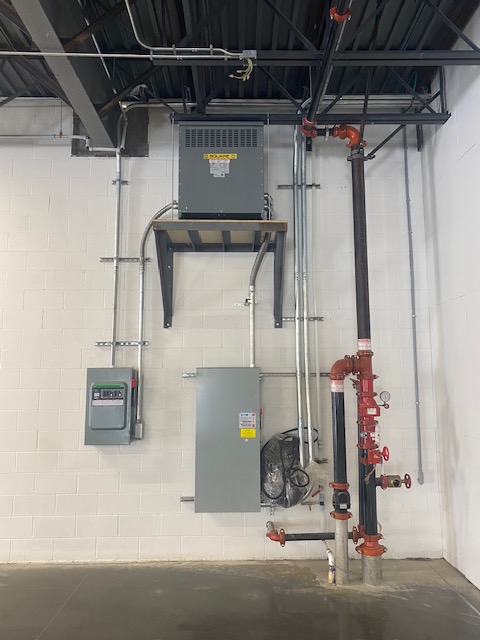
Your home’s breaker panel is the heart of your electrical system. It controls the flow of electricity to every room and keeps your home safe from power overloads. When something goes wrong with this critical component, you need professional help right away.
Professional breaker panel repair service can fix electrical issues, prevent safety hazards, and restore reliable power to your home. Trained electricians have the skills and tools to diagnose problems, repair damaged components, and ensure your system meets safety codes. This type of work requires expertise because mistakes can lead to fires, shocks, or serious property damage.
Many homeowners face questions about when to repair their panel versus replacing it entirely. Understanding the common problems, warning signs, and cost factors helps you make the right choice for your situation. Here’s what this guide covers:
- Common problems that require service
- Warning signs indicating repair or replacement
- Repair versus full replacement considerations
- Factors affecting service costs
- Advantages of modern panel upgrades
Keep reading to learn how to identify breaker panel problems early, understand what drives repair and replacement costs, and know when an upgrade is the smarter long-term investment for your home.
Common problems that require service
Breaker panels develop specific issues over time that interfere with safe power distribution. Worn breakers, loose connections, and corrosion are the most frequent problems electricians find during service calls.
Worn or faulty circuit breakers causing power loss
Circuit breakers wear out from repeated use and age. When a breaker trips frequently without an obvious overload, it likely needs replacement. The internal mechanism weakens over time and fails to hold the connection properly.
You might notice lights flickering or appliances losing power intermittently. These symptoms point to a breaker that can’t maintain consistent contact. Some breakers get stuck between the on and off positions, which creates a dangerous situation where the circuit stays partially energized.
Breakers typically last 15 to 20 years under normal conditions. However, breakers handling heavy loads or experiencing frequent tripping can fail much sooner. Testing individual breakers helps identify which ones need replacement before they cause bigger problems.
Signs of a failing breaker:
- Won’t reset after tripping
- Feels hot to the touch
- Burns or discoloration on the breaker surface
- Tripping without increased electrical load
Loose wiring connections inside the panel
Loose wire connections create resistance that generates heat. This heat damages wire insulation and can start electrical fires. Vibration from everyday electrical use and thermal expansion gradually loosens terminal screws over time.
Electrical panel troubleshooting often reveals loose connections as the source of flickering lights or dead circuits. The wires may appear properly attached but lack sufficient tightness to carry current safely. Hot spots develop at loose terminals, which can melt wire insulation and nearby plastic components.
Professional electricians use thermal imaging cameras to detect these hot connections before they fail completely. They check and tighten all connections during routine service. You should schedule panel inspections every few years to catch loose wiring early.
Corrosion or moisture damage affecting components
Moisture infiltration causes serious damage to electrical panels. Water enters through conduit openings, damaged panel covers, or condensation in humid environments. Rust and corrosion form on bus bars, breakers, and wire connections.
Corroded connections increase electrical resistance and reduce the panel’s capacity to handle normal loads safely. Green or white corrosion on copper wires indicates ongoing moisture problems. The panel enclosure itself can rust through, exposing live electrical components.
Moisture damage requires immediate attention because it spreads quickly. You need to identify and fix the water source before replacing damaged components. Panels in basements, crawl spaces, or exterior locations face higher moisture risk and need regular inspection.
Warning signs indicating repair or replacement
Your breaker panel sends clear signals when it starts to fail or can’t handle your home’s electrical needs. Recognizing these warning signs early helps you avoid dangerous situations like electrical fires or complete power loss.
Frequent breaker trips and inconsistent power supply
Circuit breakers trip to protect your home from electrical overload. When a breaker trips occasionally, it’s doing its job correctly.
However, frequent tripping points to a bigger problem. Your panel may have loose connections, corroded components, or circuits that can’t handle your current electrical load.
You might notice breakers tripping when you run multiple appliances at once. Some breakers may trip without any obvious reason. In serious cases, you’ll find breakers that feel hot to the touch or won’t reset properly.
Common causes include:
- Overloaded circuits drawing more power than designed
- Faulty breakers that can no longer function correctly
- Loose wire connections inside the panel
- Moisture damage affecting electrical components
Burning smells or visible scorch marks
A burning smell near your electrical panel requires immediate attention. This odor often indicates overheating wires or failing components inside the box.
Scorch marks on or around your panel show that dangerous heat buildup has already occurred. You might see discoloration on the panel cover, melted plastic components, or black marks around specific breakers.
Turn off your main breaker if you can reach it safely and call an electrician right away. These signs mean your panel has experienced excessive heat that damages protective insulation and creates fire hazards.
Never ignore burning smells or visible damage. The repair cost ranges from $200 to $500 for connection repairs, but full panel replacement can cost $1,300 to $4,500.
Outdated panels struggling with modern electrical demand
Older homes often have electrical panels designed for much lower power consumption. Panels installed 20 to 30 years ago weren’t built to handle today’s electronics, appliances, and charging devices.
You’ll notice this struggle when lights dim as appliances turn on. Your panel might lack enough circuits for your needs, forcing you to rely on extension cords and power strips throughout your home.
Outdated panels may use obsolete technology like fuses instead of circuit breakers. Some older brands have known safety issues and may not meet current electrical codes. Federal Pacific and Zinsco panels, for example, have documented failure rates that create safety concerns.
Modern homes need panels that provide adequate amperage, typically 200 amps compared to older 60 or 100 amp services.
Buzzing noises coming from the panel box
Your electrical panel should operate silently. Any buzzing, humming, or crackling sounds indicate electrical problems that need professional attention.
These noises often come from loose connections where wires attach to breakers or bus bars. Electrical current jumping across loose connections creates heat and sound. The vibration from electrical current can also cause these sounds when components aren’t properly secured.
A buzzing panel presents serious risks. Loose connections generate excessive heat that damages surrounding components and creates fire hazards. Corroded bus bars can cause similar symptoms.
Contact an electrician to inspect your panel if you hear unusual sounds. The problem might require simple connection tightening or signal the need for complete panel replacement.
Repair versus full replacement considerations
Electrical panels can often be fixed with targeted repairs, but sometimes a full replacement makes more sense. The right choice depends on the panel’s age, damage type, and your home’s power needs.
When minor repairs are sufficient
Simple problems usually don’t need a whole new panel. A single faulty breaker can be swapped out without changing anything else. Loose wiring connections can be tightened and secured by an electrician.
Minor corrosion on breaker contacts often just needs cleaning. If only one or two circuits aren’t working properly, replacing those specific breakers solves the issue. These repairs work well when your panel is less than 25 years old and still meets your home’s electrical demands.
Common repairable issues include:
- Individual breaker failures
- Loose wire connections at terminals
- Tripped breakers that need resetting
- Light surface corrosion on bus bars
- Damaged breaker switches
Your panel’s main components must still be in good shape. The bus bars shouldn’t show heavy rust or damage. The panel box itself needs to be structurally sound without cracks or burn marks.
Situations that require a complete panel upgrade
Circuit breaker panel replacement becomes necessary when damage is widespread or the system can’t handle your needs. Panels over 25-30 years old often lack the capacity for modern appliances and electronics.
You need a new panel if you’re adding major appliances like central air conditioning or an electric vehicle charger. Homes built before 1990 typically have 100-amp panels, but most homes now need 200-amp service.
Replace your panel when you notice:
- Frequent breaker trips across multiple circuits
- Burn marks or melting inside the panel
- Rust covering large areas of the panel
- A burning smell coming from the box
- The panel feels warm to the touch
- Your panel uses outdated fuses instead of breakers
Federal Pacific Electric or Zinsco panels should be replaced immediately due to known safety defects. Any signs of water damage also mean you need a full replacement.
Safety considerations and long-term reliability
Safety should guide your decision between repair and replacement. A failing panel creates fire risks and can damage your electronics through power surges. According to the U.S. Fire Administration, residential electrical fires caused an estimated 295 deaths, 900 injuries, and over $1.2 billion in property loss in 2021 alone, underscoring how much is at stake when panel problems go unaddressed.
Modern panels include better safety features like arc-fault and ground-fault circuit interrupters. These protect against electrical fires and shocks in ways older panels cannot. Replacement costs more upfront but prevents dangerous failures.
Your home’s insurance may require panel upgrades for coverage. Many insurers won’t cover homes with panels known to be defective. A new panel also increases your home’s resale value and passes inspection requirements.
Consider your plans for the property. If you’ll stay in your home for many years, replacement provides decades of reliable service. Short-term repairs might work if you’re selling soon, but buyers often request panel upgrades during home inspections.
Factors affecting service costs
The price you pay depends on the damage inside your panel, how hard it is to access and work on, and whether local codes require permits or upgrades.
Extent of internal damage and parts needed
The condition of your breaker panel’s internal components drives a large portion of repair costs. A single faulty breaker that needs replacement typically costs between $100 and $250, including parts and labor. This assumes the panel itself is in good shape and the problem is isolated.
More extensive damage changes the price significantly. If your panel has worn bus bars, corroded connections, or multiple breakers showing signs of failure, your electrical panel repair cost can reach $500 to $700. Panels with ground fault protection issues or recurring nuisance trips require additional diagnostic time and specialized parts.
The type of breaker also matters. Standard single-pole breakers cost less than double-pole or specialty breakers designed for high-amperage circuits. Age plays a role too, as older panels may need harder-to-find components or custom solutions that add to material costs.
Labor complexity and accessibility of the panel
The time your electrician needs to complete the work affects your final bill. Panels in easy-to-reach locations with clear working space cost less to service than those in cramped basements, behind obstacles, or in tight utility closets.
Diagnostic work adds labor time when the problem isn’t obvious. Complex issues like intermittent trips or faults originating in the main service panel require systematic testing and troubleshooting. Electricians charge for this diagnostic time on top of the actual repair work.
Your panel’s condition impacts labor too. If your electrician discovers safety hazards like aluminum wiring, outdated connections, or moisture damage, they must address these issues before completing the primary repair. This additional work protects your home but increases the total service time.
Permit requirements and code compliance updates
Local building codes determine whether you need permits for your repair. Simple breaker replacements often don’t require permits, but work involving the main breaker or service panel modifications usually does. Permit fees typically range from $50 to $200 depending on your area.
Code compliance can add unexpected costs. If your panel doesn’t meet current electrical standards, your electrician may need to bring it up to code during the repair. This might include adding arc fault protection, upgrading grounding systems, or installing tamper-resistant connections.
Mandatory inspections follow permitted work. Your electrician must schedule and pass these inspections before the job is complete. Working with a code compliance electrician ensures all work passes the first time, avoiding costly reinspections and delays.
Advantages of modern panel upgrades
Upgrading your electrical panel brings measurable improvements to your home’s safety, functionality, and value. Modern panels are designed to meet today’s power demands while protecting your property and family.
Improved safety and reduced fire risk
Older electrical panels struggle with the power needs of today’s homes. These outdated systems can overheat when pushed beyond their capacity, creating serious fire hazards.
Modern panels include advanced circuit breakers that respond faster to electrical problems. They shut off power immediately when they detect overloads or short circuits. This quick response prevents wires from overheating and sparking.
Many older homes have panels with 60 to 100 amps of service. Current building codes typically require 200 amps to safely handle modern electrical loads. When you upgrade, replacement of outdated components eliminates corroded connections and worn parts that increase fire risk. According to the U.S. Consumer Product Safety Commission, home electrical wiring problems cause more than 40,000 residential fires each year, and older homes with deteriorating or undersized wiring systems account for a disproportionate share of those incidents.
Key safety features in modern panels:
- Arc fault circuit interrupters that detect dangerous electrical arcs
- Ground fault circuit interrupters that prevent shocks in wet areas
- Higher quality materials that resist heat and corrosion
- Better wire management that reduces connection failures
Ability to handle modern appliances and technology
Your home likely uses far more electricity than it did even ten years ago. Electric vehicle chargers alone can require 40 to 50 amps of dedicated power.
A modern panel provides enough capacity for high-demand devices without constant breaker trips. You can run your air conditioning, electric dryer, and kitchen appliances at the same time without overloading the system.
Smart home systems, home offices, and entertainment setups all need reliable power. An upgraded panel gives you the circuits and amperage to add new technology as it becomes available. You won’t need to choose between charging your electric car and running your air conditioner on hot days. A subpanel installation can further extend capacity in high-demand areas of your home.
Increased home value and electrical efficiency
Home buyers and inspectors look closely at electrical systems during sales. An outdated panel can delay or kill a real estate transaction.
A new 200-amp panel shows potential buyers that your home can handle their needs. It removes a major objection that could lower your asking price or require expensive concessions.
Modern panels also improve energy efficiency. They provide more accurate monitoring of power usage and reduce energy waste from poor connections. Better circuit organization means less voltage drop across long wire runs.
The typical cost ranges from $2,000 to $4,000 for a complete upgrade. This investment pays back through lower insurance rates, reduced fire risk, and stronger resale value when you decide to sell.
Conclusion
Your breaker panel is the central hub of your home’s electrical system. When problems arise, getting professional repair service protects your family and property from serious hazards.
You should never ignore warning signs like frequent breaker trips, flickering lights, or burning smells. These issues point to real problems that won’t fix themselves. A qualified electrician can diagnose whether you need simple repairs or a full panel replacement.
Some situations require replacement instead of repair. Panels over 20 years old often lack the capacity for modern electrical demands. Fuse-based systems need upgrading to circuit breaker panels for better safety and convenience.
Professional electricians have the training and tools to work safely with high-voltage electrical systems. They can identify hidden problems you might miss and ensure all work meets current electrical codes.
Regular electrical maintenance helps you avoid emergency repairs. Schedule inspections every few years to catch small issues before they become dangerous or expensive problems.
When choosing a repair service, look for licensed and insured electricians with good reviews. Ask about their experience with your specific panel type. Request detailed estimates that explain what work is needed and why.
Your electrical panel deserves attention from skilled professionals who prioritize safety and quality workmanship. Contact Peak Electric Group to schedule a breaker panel inspection or repair in Vancouver.
Recent Comments