
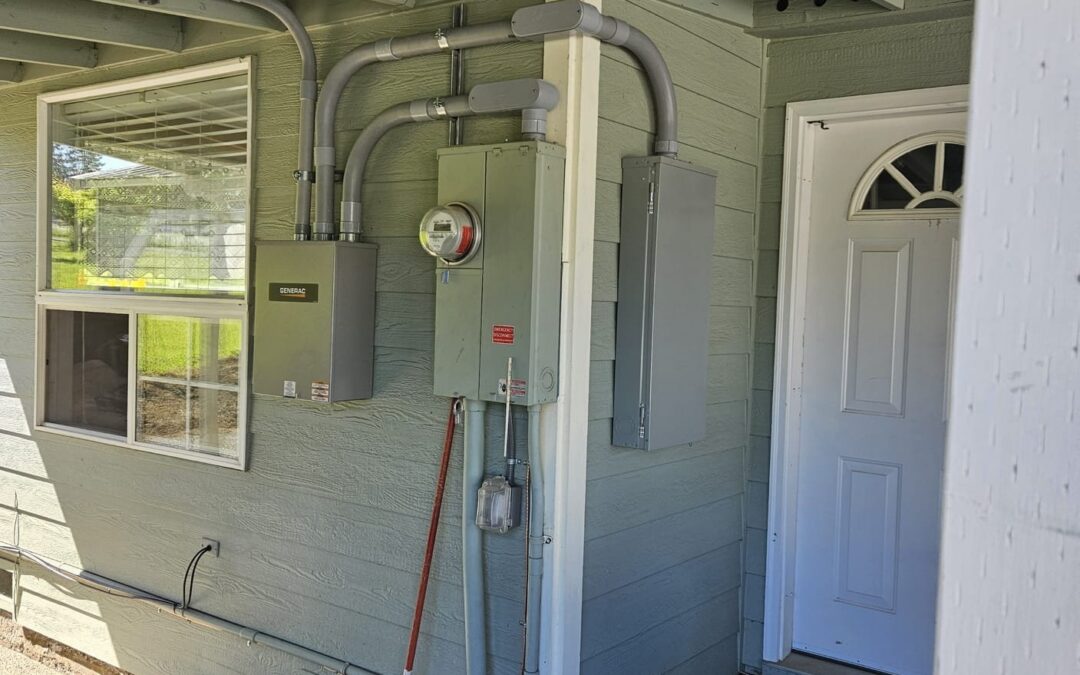
When your home needs more electrical power for new additions, upgraded appliances, or extra circuits, a subpanel might be the right solution. A subpanel is an additional electrical panel that connects to your main panel and distributes power to specific areas of your home without requiring a complete service upgrade. Many Vancouver homeowners choose this option because it costs less than replacing the entire electrical system while still meeting their power needs.
In this article, you’ll learn what a subpanel is and when you need one, what drives the most common installation requests in Vancouver, how the installation process works from planning through inspection, what the project costs, and why licensed electricians are required for this work.
Below, we’ll walk through each important aspect.
- What a subpanel is and why you might need one
- Common reasons for subpanel installation
- The subpanel installation process
- Cost considerations for Vancouver subpanel installations
- Hiring a licensed electrician for subpanel installation
Keep reading to learn how subpanel installation in Vancouver WA expands your electrical capacity safely and cost-effectively, without the expense of a full service upgrade.
What a subpanel is and why you might need one
A subpanel acts as an extension of your main electrical panel, helping you distribute power more effectively throughout your home. Understanding when you need one and where to place it helps you plan electrical upgrades more efficiently.
Difference between main panel and subpanel
Your main electrical panel receives power directly from the utility company and distributes it throughout your home. It contains the main breaker that controls all the electricity entering your property.
A subpanel connects to your main panel through a dedicated circuit. It doesn’t bring in additional power from outside. Instead, it redistributes the existing power supply to specific areas of your home.
The main panel typically ranges from 100 to 200 amps. A subpanel usually operates at a lower amperage, commonly 50 to 100 amps depending on your needs.
Both panels contain circuit breakers, but the subpanel lacks a main breaker in most installations. The breaker in your main panel that feeds the subpanel serves as its main disconnect.
Benefits of adding a subpanel for home renovations
Adding a subpanel during renovations prevents you from overloading your main panel with too many circuits. This keeps your electrical system organized and easier to manage.
You can install dedicated circuits for power-hungry appliances without cramping your main panel. This works well for home theaters, workshops, or kitchen upgrades that need multiple outlets.
A subpanel placed near the renovation area reduces the amount of wiring needed. You run one large feeder cable from the main panel to the subpanel location, then shorter branch circuits from there. This approach saves on materials and labor costs.
For basement finishing or garage conversions, a subpanel provides flexibility for future electrical needs. You can add more circuits later without running new cables back to the main panel. If your main panel is already aging, it may also be worth reviewing residential electrical panel upgrade signs you should not ignore before proceeding with a subpanel addition.
Typical locations for residential subpanels
Detached structures are the most common locations for subpanels:
- Garages with workshops
- Studio spaces or home offices
- Pool houses or cabins
- Sheds with power tools
Interior locations often include:
- Finished basements with kitchenettes or laundry rooms
- Second-floor additions or bonus rooms
- Large master suites with multiple bathrooms
- Home gyms with specialized equipment
The subpanel should be mounted in an accessible location with at least 3 feet of clearance in front. Vancouver building codes require proper labeling and adequate working space around all electrical panels.
Distance from the main panel matters. Longer runs require larger wire gauges to prevent voltage drop and ensure safe operation.
Common reasons for subpanel installation
Subpanels become necessary when your existing electrical system can’t handle new demands or when you need better circuit distribution in specific areas of your home. These installations help avoid the cost of a full electrical panel upgrade while still meeting your growing power needs.
Supporting new circuits for home additions
When you add a new room, basement suite, or garage to your home, you need dedicated circuits to power lights, outlets, and other electrical devices. A subpanel installed in or near the addition makes it easier to manage these new circuits without running long wires back to your main panel.
Installing a subpanel for an addition also keeps your electrical system organized. Each circuit stays grouped with others serving the same area. This setup makes future repairs and upgrades simpler.
NEC Article 250 requires proper separation of neutral and ground conductors in subpanels. This differs from main panel configurations and must be followed for safety. Professional installation ensures these code requirements are met from the start. If your addition also requires new outlet locations, pairing the subpanel with electrical outlet installation services in Vancouver ensures everything is handled to code in a single project.
Adding high-power appliances or EV chargers
High-power devices like electric vehicle chargers, hot tubs, workshop equipment, and large HVAC systems need dedicated circuits with specific voltage requirements. These appliances can draw 40 to 80 amps or more, which often exceeds what your main panel can safely provide without upgrades.
A subpanel creates space for these dedicated circuits without overloading your existing system. An EV charger typically requires a 240-volt circuit with 40 to 50 amps of capacity. Installing a subpanel near your garage or parking area reduces wire runs and installation costs.
According to the U.S. Department of Energy, Level 2 EV chargers require a dedicated 240-volt circuit drawing 40 to 50 amps, which often exceeds available capacity in older main panels. A subpanel installed near the garage provides a practical, cost-effective path to EV charging without triggering a full service upgrade.
Upgrading electrical capacity without replacing main panel
A full electrical panel upgrade can cost significantly more than adding a subpanel. When your main panel runs out of available slots but still has adequate amperage capacity, a subpanel offers a practical solution.
Load calculations determine if your main panel can support a subpanel. Most homes have some unused capacity in their main service. A subpanel taps into this capacity and distributes it to new circuits where needed.
This option saves money and time compared to upgrading your entire electrical service. You avoid the expense of replacing your main panel, meter base, and potentially your service entrance cables. If the main panel does need replacement first, understanding the full scope of breaker panel replacement helps you evaluate whether that step makes sense before adding a subpanel.
Simplifying circuit management in large homes
Large homes benefit from multiple subpanels placed in different zones or floors. This setup reduces wire runs and makes troubleshooting easier when issues arise.
A subpanel in your basement can serve that level’s circuits, while another in a second-floor mechanical room handles upstairs loads. This zoned approach means you don’t need to return to the main panel for every electrical task.
Organized circuit management also helps during renovations or repairs. Electricians can work on specific areas without affecting power to your entire home. Each subpanel acts as a local control point for its designated circuits, improving both convenience and safety.
The subpanel installation process
Installing a subpanel involves careful planning, proper wire sizing, and precise connections to create a safe and functional electrical distribution system. Each step requires attention to detail and adherence to local electrical codes.
Planning layout and circuit requirements
You need to start by calculating the total electrical load your subpanel will handle. Count all the appliances, outlets, and lighting circuits you plan to connect. Add up their amperage requirements to determine the right subpanel size.
Most home installations use 60-amp, 100-amp, or 200-amp subpanels. A garage workshop might need 60 amps, while a home addition often requires 100 amps or more. Choose a panel with extra circuit spaces for future expansion.
Pick a location that keeps the subpanel accessible but out of the way. It must be mounted at least 4 feet from the floor and have 3 feet of clear space in front. The distance from your main panel affects wire size and cost. Longer runs require thicker wire to prevent voltage drop.
Create a detailed list of circuits you’ll need. Mark which ones are 120-volt and which are 240-volt. High-power items like electric heaters or EV chargers need dedicated 240-volt circuits.
Running feeder wires from main panel
The feeder wires carry power from your main panel to the subpanel. You need four wires: two hot wires, one neutral, and one ground. The wire gauge depends on the subpanel’s amperage and the distance traveled.
For a 60-amp subpanel within 75 feet, use 6 AWG wire. A 100-amp subpanel at the same distance needs 3 AWG wire. Add one wire size larger for every additional 50 feet to compensate for voltage loss.
Run the wires through conduit if they pass through unfinished spaces or outdoors. Use individual THHN wires in conduit or run jacketed cable like SER cable through protected areas. Secure the cable every 4.5 feet and within 12 inches of boxes.
Connect the feeder wires to a new breaker in your main panel. This breaker protects the subpanel and must match the subpanel’s rating. Turn off the main breaker before making any connections at the main panel.
Installing breakers and subpanel components
Mount the subpanel box securely to wall studs using appropriate fasteners. Make sure it sits level and flush against the wall. Strip the outer sheathing from the feeder cable and route the wires into the panel through a knockout hole.
Connect the two hot wires to the main lugs at the top of the subpanel. The neutral wire attaches to the neutral bus bar. The ground wire connects to the ground bus bar. In a subpanel, the neutral and ground buses must remain separate.
Install individual circuit breakers by snapping them onto the hot buses. Connect your branch circuit wires to these breakers. White neutral wires go to the neutral bus, bare ground wires to the ground bus. Label each circuit clearly on the panel directory.
Double-check all connections are tight and properly seated. Loose connections create heat and fire hazards. Organize wires neatly inside the panel so the cover fits properly.
Final testing and code inspection
Turn on the new breaker at the main panel to energize the subpanel. Use a multimeter to verify voltage at the subpanel. You should read 240 volts between the two hot buses and 120 volts from each hot to neutral.
Test each circuit individually by turning on its breaker and checking outlets or fixtures. Look for proper voltage and make sure all connections work correctly. Flip breakers off and on to confirm they operate smoothly.
Schedule an inspection with the City of Vancouver’s Building Safety department. Washington State requires licensed electrical contractors to pull permits and ensure all work meets L&I electrical inspection standards. The inspector will verify proper wire sizing, correct grounding, adequate clearances, and code compliance.
Fix any issues the inspector identifies before receiving final approval. Once approved, you can close up walls and finish your space. Keep the panel directory updated as you add or modify circuits over time. Setting up electrical maintenance contracts after installation ensures your new subpanel and its circuits stay inspected and in safe working condition.
Cost considerations for Vancouver subpanel installations
Installing a subpanel in Vancouver WA typically costs between $1,200 and $2,500, though prices vary based on equipment specifications, labor requirements, and site-specific factors. Understanding each cost component helps you budget accurately for your electrical upgrade.
Equipment and materials costs
The subpanel itself costs $20 to $350 depending on its amperage rating. A 50-amp subpanel represents the lower end of this range, while 100-amp and 200-amp panels cost more due to their increased capacity.
You’ll also need additional materials beyond the panel box. Circuit breakers, wire, conduit, mounting hardware, and connection materials add to your total equipment costs. The distance between your main panel and the new subpanel location affects wire costs significantly, as copper wire prices increase with length.
Panel amperage directly impacts your subpanel addition cost. A 50-amp installation might only require smaller gauge wire and fewer breaker spaces, keeping material costs around $100 to $200. A 100-amp or 200-amp subpanel needs heavier gauge wire and more robust components, potentially doubling your material expenses.
Labor and permit fees
Licensed electricians in Vancouver WA charge for their expertise and time to complete your installation safely. Labor costs typically range from $500 to $1,500 depending on the project complexity and hours required.
Your electrician needs to pull permits through the City of Vancouver before starting work. Permit fees vary based on the scope of your electrical work but generally cost between $150 and $300. These permits ensure your installation meets current electrical codes and includes required inspections by Washington State Labor and Industries.
The inspection process adds value even though it increases your timeline. An L&I inspector verifies that your subpanel meets safety standards before you can use it. Your electrician’s familiarity with local code requirements helps avoid failed inspections and additional costs.
Complexity based on home wiring
Your existing electrical system’s condition affects installation costs substantially. Homes built before 1990 often have outdated wiring or insufficient grounding that needs upgrading before adding a subpanel.
Installing a subpanel in a detached garage or workshop costs more than an interior installation. Outdoor installations require trenching, weatherproof conduit, and sometimes concrete work. These factors can add $400 to $800 to your project cost.
Wall and ceiling access also impacts labor time. If your electrician needs to open walls to run new wiring, you’ll pay for both electrical work and drywall repair. In older homes where wiring has deteriorated, home rewiring services may be necessary before the subpanel installation can proceed safely.
Potential utility company charges
Clark Public Utilities or Pacific Power may need to upgrade your meter base or service connection if your new subpanel increases your home’s total electrical capacity. These utility company upgrades typically cost between $200 and $800 depending on the work required.
Some installations require coordination with your utility provider for temporary power shutoffs during meter work. Your electrician handles this scheduling, but utility company fees may apply. Not all subpanel installations trigger utility involvement. It depends on whether you’re increasing your overall service capacity.
Service mast and weatherhead replacements sometimes become necessary during subpanel installations. Your utility provider requires these components to meet current standards, especially if your existing equipment is outdated.
Hiring a licensed electrician for subpanel installation
Working with a licensed electrician protects your home and investment through proper permitting, safe installation practices, and professional accountability. Washington State electrical codes require specific qualifications and procedures that only certified professionals can legally perform.
Ensuring local code compliance and safety
Vancouver WA electrical installations must meet requirements set by the National Electrical Code as adopted by Washington State, along with any local amendments enforced by the City of Vancouver. Licensed electricians stay current with these regulations through mandatory continuing education required by Washington State L&I. They know the exact wire sizes, breaker ratings, and grounding methods your subpanel needs.
A qualified electrician verifies that your main panel can handle the additional load before installing a subpanel. They calculate the electrical capacity correctly and ensure proper bonding between panels. This prevents dangerous situations like overheated wires or electrical fires.
Code compliance also affects your home insurance coverage. Insurance companies may deny claims for electrical damage if unpermitted or improper work caused the problem. Licensed professionals document their work properly and follow inspection requirements that keep your coverage valid.
Avoiding DIY electrical hazards
Subpanel installation involves working with live electrical service that can cause serious injury or death. Even with the main breaker off, certain parts of your electrical system remain energized. Licensed electricians have specialized tools and safety equipment to handle these dangers.
Mistakes in subpanel wiring create hidden hazards that may not show up immediately. Reversed polarity, undersized conductors, or improper grounding can work fine at first but fail under load. These errors cause electrical shocks, equipment damage, and house fires.
According to the U.S. Fire Administration, improper electrical installations are a documented contributor to residential structure fires, with wiring errors in panels and junction boxes among the most frequently cited causes. Professional installation eliminates the class of errors that homeowners making DIY attempts most commonly introduce.
Professional electricians carry liability insurance that protects you if something goes wrong during installation. DIY electrical work puts all financial and legal responsibility on you as the homeowner.
Experience with Vancouver WA electrical permits
The City of Vancouver requires permits for subpanel installations to ensure safety inspections occur. Licensed electricians hold Washington State electrical contractor licenses issued through L&I and handle the permit application process on your behalf. They know what documentation the city and state require and submit technical specifications that meet local standards.
Permit fees in Vancouver WA vary based on project scope, but electricians include these costs in their estimates. They schedule required inspections at the right stages of installation. This prevents delays and ensures your subpanel passes inspection the first time.
Working without permits creates problems when you sell your home. Home inspectors identify unpermitted electrical work, which can delay closings or force expensive corrections before the sale can proceed. For peace of mind that your system stays compliant between projects, a local residential electrician with Vancouver experience is your most reliable resource.
Warranty and professional guarantees
Most licensed electricians provide warranties on their labor, typically ranging from one to three years. These warranties cover installation errors and workmanship issues that appear after completion. You get free repairs if problems arise from faulty installation.
Professional electricians also guarantee their work will pass inspection. If the installation fails inspection, they make corrections at no additional charge. This guarantee saves you money and stress during the approval process.
Licensed contractors maintain workers’ compensation coverage and business liability insurance. You avoid responsibility for injuries that occur on your property during installation. These protections give you legal and financial security throughout the project. If anything unexpected comes up during or after installation, emergency electrical repair options in Vancouver are available to address urgent issues quickly.
Conclusion
A subpanel installation is one of the most practical ways to expand your home’s electrical capacity in Vancouver WA without the cost and disruption of a full service upgrade. This guide has covered how subpanels differ from main panels, which situations make a subpanel the right call, how the installation process works from load calculation through final inspection, what drives cost variation, and why Washington State licensing and permit requirements exist.
The separation of neutral and ground conductors, proper feeder wire sizing, and correct bonding between panels are not details that can be approximated. These are NEC-specific requirements that determine whether your installation is safe under full load, and they are the reason Washington State L&I requires licensed electricians and mandatory inspections for this work.
According to the U.S. Consumer Product Safety Commission, improper grounding and bonding in secondary electrical panels is among the most common sources of shock and fire hazards in residential electrical systems, with unpermitted installations carrying a significantly elevated risk profile compared to inspected work. Getting the inspection completed is not a formality. It is the verification step that confirms your system is safe to use.
Reach out to Peak Electric Group to schedule a load assessment and get a clear estimate for your Vancouver WA subpanel installation before your next renovation or appliance upgrade begins.
Recent Comments