A short circuit happens when electricity flows outside its normal path, often because damaged wires touch each other or a metal surface. This creates a sudden surge of power that can trip your breakers, damage appliances, or even start a fire. To fix a short circuit, you need to find the affected circuit, turn off the power at the main breaker, locate the damaged wiring or connection, and repair or replace it.
Short circuits are common problems in both old and new homes. They can show up without warning and cause serious safety issues if you don’t address them quickly. The good news is that you can spot the signs early and take steps to fix the problem safely.
Understanding how to identify and repair short circuits helps protect your home and family. Here’s what this guide covers:
- What causes faults in residential wiring
- Warning signs of electrical issues at home
- Risks associated with ignoring electrical faults
- How experts approach troubleshooting
- Preventive steps to avoid future issues
Keep reading to learn the causes of short circuits, how to recognize them before they escalate, and what professional electrical short circuit repair involves from inspection to final testing.
What causes faults in residential wiring
Residential wiring faults happen when electrical components break down, connections weaken, or insulation fails over time. These issues create dangerous paths for electricity to flow where it shouldn’t.
Damaged or frayed insulation
Insulation protects the metal wires that carry electricity through your home. When this protective covering breaks down, bare wires can touch each other or nearby metal surfaces, creating a direct path for current to flow.
Heat is one of the main causes of insulation damage. Overloaded circuits generate excess heat that slowly melts or cracks the protective coating around wires. Physical damage also occurs when rodents chew through cables or when nails and screws pierce wires during home repairs.
Age plays a significant role in insulation breakdown. Older homes often have outdated wiring materials that become brittle and crack over decades of use. Water damage from leaks or flooding can also deteriorate insulation, exposing bare conductors.
You can spot damaged insulation by looking for discolored or melted wire coverings, burn marks on outlets, or a burning smell near electrical fixtures. If your home needs home rewiring services, a professional inspection will identify exactly which sections of wire require replacement.
Loose connections and faulty installations
Electrical connections must be tight and secure to work properly. Loose wire connections create resistance, which generates heat and can lead to arcing or complete circuit failure.
Vibrations from household appliances or general home settling can gradually loosen wire connections at outlets, switches, and junction boxes. Improper installation techniques, such as poorly secured wire nuts or inadequately tightened terminal screws, create weak points in your electrical system from the start.
Common installation mistakes include:
- Using the wrong size wire for the circuit load
- Failing to strip the correct amount of insulation from wire ends
- Not securing wires properly in terminal blocks
- Mixing incompatible wire types
Aluminum wiring, commonly installed in homes built between 1965 and 1973, expands and contracts more than copper, which can loosen connections over time. According to the U.S. Consumer Product Safety Commission, homes wired with aluminum before 1972 are 55 times more likely to have outlet connections reach fire hazard temperatures than homes wired with copper.
Appliance malfunctions creating circuit faults
Electrical appliances develop internal faults that send excess current back into your home’s wiring system. Motors in refrigerators, washing machines, and air conditioners can short out when their internal insulation fails or components overheat.
Power surges from lightning strikes or utility company issues can damage sensitive electronics and create short circuit conditions. Appliances with damaged power cords pose particular risks because the exposed wiring can contact grounded surfaces or other conductors.
Plugging too many devices into a single outlet overloads the circuit and stresses both the appliance cords and your home’s wiring. Space heaters, hair dryers, and other high-wattage devices are frequent culprits in appliance-related faults.
Water contact with electrical appliances creates immediate short circuit dangers. Kitchen and bathroom appliances are especially vulnerable when moisture enters their electrical components.
Warning signs of electrical issues at home
Electrical problems often announce themselves through specific warning signs that demand immediate attention. Circuit breakers that trip without warning, burning odors near outlets, and warm electrical components all point to serious issues that could lead to fires or equipment damage.
Sudden breaker trips or blown fuses
Your circuit breaker protects your home by shutting off power when circuits become overloaded or when a short circuit occurs. A breaker that trips once might not signal danger, but frequent trips indicate a serious problem.
When too many appliances draw power from the same circuit, the breaker trips to prevent overheating. This is different from a short circuit, which happens when a hot wire touches a neutral wire or ground, creating a dangerous surge of electricity. Short circuits generate heat quickly and pose immediate fire risks.
If your breaker trips repeatedly, you need professional help to identify whether you have an overloaded circuit or a circuit breaker short circuit fix is required. Don’t reset the breaker multiple times hoping the problem disappears. Each trip signals that your electrical system is working hard to prevent a hazardous situation.
A licensed electrician can determine if you need circuit upgrades, if faulty wiring requires replacement, or if a short circuit needs repair.
Burning smell or visible sparks from outlets
A burning smell near outlets, switches, or your electrical panel signals overheating wires or components. This odor often resembles burning plastic and should never be ignored.
Sparks from outlets when you plug in devices indicate loose connections, damaged wiring, or internal component failure. Small sparks might seem normal, but repeated sparking or large flashes point to dangerous electrical faults.
Both burning smells and sparks can precede electrical fires. Turn off power to the affected area immediately and contact an electrician. Don’t use the outlet or switch until a professional inspects and repairs it.
Outlets or switches that feel warm to the touch
Outlets and switches should remain cool during normal operation. Warmth indicates that electrical current is meeting resistance, which generates heat.
Dimmer switches may feel slightly warm, but standard outlets and switches should not. Heat buildup suggests loose wiring connections, overloaded circuits, or faulty components inside the outlet box.
Test outlets and switches by placing your hand near them after they’ve been in use. If you notice warmth, stop using that outlet and schedule a home electrical safety inspection. Continued use of warm outlets increases fire risk as heat damages wire insulation and surrounding materials.
Risks associated with ignoring electrical faults
Electrical faults that go unaddressed create serious dangers in your home or workplace. These problems can lead to fires, destroy your valuable equipment, and put you at risk of severe injury.
Increased risk of electrical fires and hazards
Short circuits and wiring faults are among the leading ignition sources in home electrical fires. According to the U.S. Fire Administration, short-circuit arcs, including arcs from defective or worn insulation, accounted for more than a third of all identified ignition factors in residential electrical fires between 2014 and 2016. When current flows through an unintended path, it produces arc energy that reaches extreme temperatures, melts metal components, and sets nearby materials on fire within seconds.
Faulty wiring that sparks inside your walls often goes unnoticed until flames appear. You might smell burning plastic or see scorch marks on outlets before a fire starts. Ignoring these warning signs puts your property and life at serious risk.
Damage to appliances and electronic devices
Electrical faults send power surges through your circuits. These surges damage the sensitive components inside your appliances and electronics. Your refrigerator, computer, television, and other devices can fail completely from voltage spikes.
Short circuits cause voltage fluctuations that wear down electrical equipment over time. Your appliances might work inconsistently or shut off without warning. The internal circuits and processors in modern electronics cannot handle these irregular power flows.
Replacing damaged appliances costs much more than fixing the original electrical fault. A single short circuit can destroy multiple devices connected to the same circuit. Your warranties typically do not cover damage from electrical problems in your home’s wiring.
Potential injury from electrical shock
Direct contact with faulty electrical components can deliver dangerous shocks to your body. According to the National Institute for Occupational Safety and Health, currents as low as 10 milliamperes can paralyze muscles and prevent a person from releasing a live wire, and currents above 100 milliamperes can cause ventricular fibrillation, one of the most common causes of death from electric shock.
Damaged insulation exposes live wires that you might accidentally touch. Water near electrical faults increases your shock risk because moisture conducts electricity. Children and pets face particular danger because they may not recognize electrical hazards.
Electrical shock injuries include burns at entry and exit points, muscle damage, and nerve problems. Severe shocks can throw you backward or cause falls from ladders and heights. Some injuries from electrical contact do not appear immediately but cause long-term health issues.
How experts approach troubleshooting
Professional electricians follow a structured process to locate and repair short circuits safely. They use specialized tools and proven methods to identify problems, fix damaged components, and verify that repairs meet safety standards.
Diagnosing the exact location of the fault
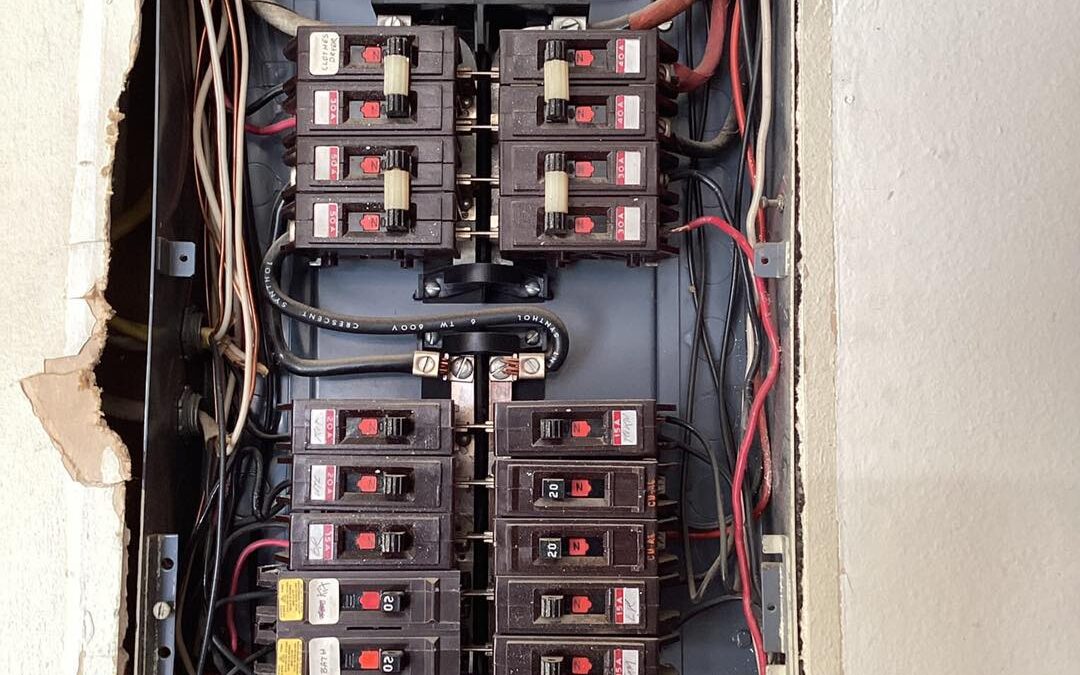
Your electrician starts with a visual inspection of your electrical panel to check for burn marks, unusual odors, or damaged breakers. They look for circuits that trip repeatedly or show signs of overheating.
A short circuit detection service uses specialized equipment to pinpoint problems. The main tools include:
- Multimeter: tests voltage and continuity in circuits
- Circuit tracer: maps wire paths through walls
- Thermal imaging camera: detects hot spots in wiring
- Insulation resistance tester: measures wire coating integrity
The electrician tests each circuit systematically. They turn off power to the affected area and check connections at outlets, switches, and junction boxes. They trace wires through your walls to find breaks, damage, or points where insulation has worn away.
When multiple circuits fail, they check your main panel for loose connections or corroded terminals. They also inspect your service entrance for problems with incoming power lines.
Repairing or replacing damaged wiring components
Once the fault is located, your home wiring repair electrician determines whether components need repair or full replacement. Minor issues like loose connections get tightened and secured properly.
Damaged wire insulation requires replacing the entire wire segment. Your electrician pulls new wire through conduit or wall spaces to match the circuit’s amperage rating. They never splice wires inside walls where you cannot access them later.
Bad outlets and switches get replaced with new devices rated for the circuit load. Burned or corroded breakers are swapped out with identical replacements that match your panel’s specifications.
Junction boxes with charred connections need complete rebuilding. The electrician installs new boxes, makes fresh wire connections, and secures everything according to electrical code. All wiring fault repair work must follow local building codes and National Electrical Code standards.
Testing the system to ensure safe operation
After repairs, electrical troubleshooting services include thorough testing before restoring power. Your electrician measures resistance between conductors to confirm the short is gone.
They restore power gradually, starting with the main breaker, then individual circuits. They use a multimeter to verify correct voltage at outlets and switches throughout the affected area.
The electrician tests Ground Fault Circuit Interrupter (GFCI) outlets and Arc Fault Circuit Interrupter (AFCI) breakers to ensure they trip when they should. They also confirm that all grounding connections work properly.
Load testing comes next. Your electrician plugs in devices and turns on lights to verify the circuit handles normal use without overheating. They check wire temperatures with a thermal camera after running the circuit under load for several minutes.
Finally, they document all repairs and provide you with a detailed report of what was fixed and tested.
Preventive steps to avoid future issues
Taking action now keeps your electrical system safe and reduces the chance of short circuits down the road. Regular maintenance, smart usage habits, and timely upgrades protect your home from electrical hazards.
Regular electrical inspections and maintenance
You should schedule professional electrical maintenance at least once a year. A licensed electrician can spot worn wires, loose connections, and damaged insulation before they cause problems.
During inspections, electricians check your circuit breakers, outlets, and electrical panels for signs of wear or damage. They test connections to make sure everything is secure and working properly. These routine checks catch small issues that could turn into dangerous short circuits.
You also need to maintain your electrical appliances and devices. Check power cords regularly for fraying, cracks, or exposed wires. Replace damaged cords right away instead of taping them up. Keep electrical panels clear of dust and debris, as buildup can interfere with proper function.
Look for warning signs between inspections. These include frequently tripping breakers, flickering lights, burning smells near outlets, or outlets that feel warm to the touch. Call an electrician immediately if you notice any of these problems.
Avoiding circuit overloads and improper usage
Never plug too many devices into a single outlet or power strip. Each circuit has a maximum load it can safely handle. When you exceed this limit, wires overheat and increase the risk of short circuits.
Spread your electrical devices across multiple outlets on different circuits. Pay special attention to high-power appliances like space heaters, air conditioners, and hair dryers. These should plug directly into wall outlets, not extension cords or power strips.
Use extension cords only as temporary solutions. They’re not designed for permanent setups. If you constantly need more electrical outlet installation in an area, hire an electrician to add them properly.
Check the wattage ratings on your light fixtures and never use bulbs that exceed these limits. Higher wattage bulbs generate more heat than fixtures can handle, which damages wiring and creates fire hazards.
Upgrading outdated wiring systems when necessary
Older homes often have wiring that can’t safely handle modern electrical demands. If your home is more than 40 years old and hasn’t had electrical updates, you likely need an upgrade.
Signs your wiring needs replacement:
- Two-prong outlets instead of three-prong grounded outlets
- Aluminum wiring (common in homes built between 1965-1973)
- Knob-and-tube wiring in older homes
- Frequently blown fuses or tripped breakers
- Discolored or warm outlet covers
Modern wiring systems use copper wire with proper insulation and grounding. These materials handle electrical loads better and include built-in safety features. Ground-fault circuit interrupters (GFCIs) in bathrooms and kitchens protect against short circuits in wet areas.
Your electrical panel may also need an upgrade if you’re adding major appliances or renovating your home. Older panels with 60 or 100 amps can’t support the electrical needs of modern households. Most homes now need at least a 200-amp service upgrade.
Conclusion
Fixing an electrical short circuit requires careful attention to safety and proper diagnosis. You should always turn off power at the circuit breaker before attempting any inspection or repair work. If you’re uncomfortable working with electrical systems, contact a licensed electrician.
Short circuits can damage your home’s electrical system and create fire hazards. Taking quick action when you notice warning signs protects your property and family.
You can handle simple repairs like replacing a damaged outlet or fixing loose connections. More complex issues require professional help. Older wiring systems and hidden shorts within walls need expert diagnosis and repair.
Regular maintenance prevents most short circuits. Inspect your outlets and switches every few months. Replace worn cords and avoid overloading circuits. These simple habits keep your electrical system safe and reliable.
Contact Peak Electric Group to schedule an inspection or repair and keep your Hillsboro home protected from short circuit hazards.
Recent Comments