What runs beneath your yard matters as much as the wiring inside your walls. Reliable underground wiring repair for safe restoration in Hillsboro protects your home from hidden faults, fire risks, and the kind of power loss that only gets worse if it is ignored.
Underground wiring keeps power flowing safely to your home, but damage below ground can create serious risks you might not see until problems start. Hillsboro homes rely on buried electrical cables for many outdoor systems, and when those cables fail, you need fast and safe repairs. Professional underground wiring repair protects your property from electrical hazards, fire risks, and power failures while ensuring your system meets current safety codes.
Many things can damage buried electrical lines over time. Tree roots, ground shifts, water damage, and even animals can harm cables hidden beneath your yard. Older homes in Hillsboro may also have outdated underground systems that no longer meet modern safety standards.
Knowing the warning signs of underground electrical problems helps you act before small issues become dangerous. This guide walks you through spotting buried wiring damage, understanding what causes it, and learning how professionals restore your electrical system safely.
In this article, you will learn:
- Identifying signs of buried electrical problems
- Common causes of subsurface cable damage
- Techniques for diagnosing hidden electrical issues
- Standards for professional electrical restoration
- Strategies for preventing future underground failures
Keep reading to learn how to spot underground wiring trouble early, what causes it, and how a licensed electrician restores buried systems without putting your property at risk.
Identifying signs of buried electrical problems
Underground electrical issues often start small and grow worse over time. Power disruptions in outdoor systems, unusual lighting behavior, and inconsistent electricity flow inside your home all point to potential problems with buried wiring.
Loss of power in outdoor electrical systems
When your outdoor outlets, landscape lighting, or pool equipment suddenly stops working, buried wiring damage is often the cause. You might notice that certain outdoor fixtures have no power at all while others work normally.
This type of complete power loss usually means a wire has broken or severely corroded underground. Water infiltration from poor waterproofing or physical damage from digging can sever the connection entirely. The break prevents electricity from reaching its destination.
Check your circuit breaker first to rule out a simple trip. If the breaker is fine and only outdoor systems are affected, the problem likely exists in your buried cables. You should not attempt to dig up or repair these wires yourself, as working with underground electrical systems requires proper safety equipment and training.
Detection of flickering lights outside
Flickering outdoor lights indicate unstable electrical connections in your underground wiring. The lights may dim and brighten repeatedly, or they might flicker only when you turn on other outdoor devices.
These symptoms suggest damaged wire insulation or loose connections underground. Moisture can seep into compromised areas and create intermittent contact between the conductors. Ground movement from freezing temperatures or soil settling can also stress connections over time.
Pay attention to patterns in the flickering. If it happens during rain or after watering your lawn, water is reaching your buried cables. Flickering that occurs randomly throughout the day points to progressive wire deterioration that will worsen without repair.
Partial loss of power within the home
Some circuits in your home may lose power while others work normally when underground service wiring fails. You might find that half your outlets work or that certain rooms have reduced voltage. Methodical partial power outage troubleshooting helps narrow down whether the cause is inside the panel or out at the service entrance.
Underground service cables connect your home to the utility power supply. When these cables degrade, they cannot deliver full electrical capacity to your panel. You may notice dimming lights when you run major appliances or frequent circuit breaker trips.
Partial power loss also creates safety hazards. According to the U.S. Fire Administration, electrical malfunctions are involved in tens of thousands of structure fires each year, with damaged wiring among the leading ignition sources. Contact a licensed electrician immediately if you experience unexplained power reduction in multiple areas of your home.
Common causes of subsurface cable damage
Underground cables in Hillsboro face three main threats that can compromise their safety and function. Soil shifts put physical stress on wiring systems, tree roots grow into cable pathways and push them out of place, and water seeps through protective layers to damage the insulation.
Impact of soil movement on wiring integrity
When soil expands and contracts, it creates pressure on your underground cables. Clay-rich soils in Hillsboro are especially prone to this movement during wet and dry cycles. The ground can shift several inches throughout the year, which bends and stretches cables beyond their design limits.
Frost heave during winter months pushes cables upward as water in the soil freezes and expands. This creates stress points where the cable enters junction boxes or connects to your home. Over time, these repeated movements crack the protective jacket around the wires.
Settlement from construction work or heavy equipment also damages buried cables. When soil compresses under weight, it pinches cables between harder objects like rocks or concrete. This crushing action breaks down the insulation layer that keeps your electrical system safe.
Role of tree roots in cable displacement
Tree roots actively seek out moisture and nutrients as they grow through soil. Your underground cables often sit in trenches filled with loose, disturbed earth that roots can easily penetrate. According to the U.S. Forest Service, tree roots typically extend well beyond the canopy edge in search of water, which means buried lines several feet from a trunk are still well within reach.
As roots expand, they wrap around cables and push them out of their original position. A root just two inches thick can generate enough force to move a cable several feet over a few years. This displacement pulls connections apart at splice points and terminal boxes.
Root pressure also crushes cable insulation when roots grow directly against the protective sheath. The constant pressure from growing roots eventually compromises the barrier that protects conductors from moisture and soil contact.
Effect of water exposure on cable insulation
Water enters underground cable systems through damaged insulation, poor splice connections, and deteriorated conduit. Once moisture reaches the conductor, it creates a path for electrical current to leak into the surrounding soil. This process accelerates when water contains minerals or chemicals from the ground.
Your cable insulation breaks down faster when it stays wet for extended periods. The plastic and rubber materials used in cable jackets absorb water, which weakens their structure. Small cracks become larger openings as the insulation swells and contracts with temperature changes.
Underground water from irrigation, rain runoff, or high water tables creates the most damage. Cables installed below the water table face constant moisture exposure that steadily degrades their protective layers. Pairing repair work with proper surge protection maintenance helps shield the rest of your system when water-related faults do occur.
Techniques for diagnosing hidden electrical issues
Finding electrical faults in underground wiring requires specialized methods to locate problems without extensive digging. The right diagnostic approach combines fault locating equipment, voltage testing, and wire tracing systems to identify breaks, shorts, and damaged cables.
Use of fault locating equipment
Professional fault locators use transmitter and receiver technology to pinpoint problems in buried cables. These devices send signals through your underground wiring and detect where the signal stops or changes, marking the exact location of breaks or damage.
Digital cable locators can find single-core and multi-core cables beneath soil, walls, and floors. The equipment works by pairing a transmitter that sends electrical signals with a receiver that tracks those signals along the cable path.
Key capabilities include:
- Detection of cable breaks and short circuits
- Location of ground faults where current flows into earth
- Identification of damaged insulation
- Tracking of cable routes before excavation
Advanced fault-finding technology is specifically designed for underground cable damage detection. You can detect issues through concrete, asphalt, and various soil types without disrupting your property.
Application of voltage testing methods
Voltage testing with a multimeter helps identify electrical faults when power is available in your system. You measure voltage at different points along the circuit to find where power stops flowing.
Start by checking voltage at your electrical panel, then test at junction boxes and endpoints. A sudden drop in voltage indicates damage between test points. For underground wiring, you test accessible connection points before and after the buried section. This same logic applies to interior issues like a breaker that keeps tripping, where step-by-step measurement isolates the fault.
Ground fault detection is critical for buried cables. Ground faults occur when electrical charge flows into the earth instead of through your system. Testing insulation resistance reveals deterioration that could cause shorts or safety hazards.
Employing tracing systems to optimize repairs
Wire tracing systems help you map underground cable routes before starting repairs. A tracer sends a signal through the wire while a receiver follows the signal path above ground.
These systems work even when power is off. You connect the transmitter to the dead wire and trace its complete route, including where it enters and exits the ground. The receiver detects signal strength changes that indicate depth and direction.
Tracing benefits for repair work:
- Reduces unnecessary digging
- Identifies optimal access points
- Locates multiple cables in the same trench
- Confirms cable depth before excavation
You can also identify which breaker or fuse controls a specific underground circuit. This prevents accidental power-on situations during repairs and helps you isolate the damaged section efficiently.
Standards for professional electrical restoration
Professional underground electrical repair in Hillsboro requires strict adherence to safety protocols and local regulations. The work involves careful excavation techniques, proper insulation methods, and compliance with city design standards to protect both workers and property.
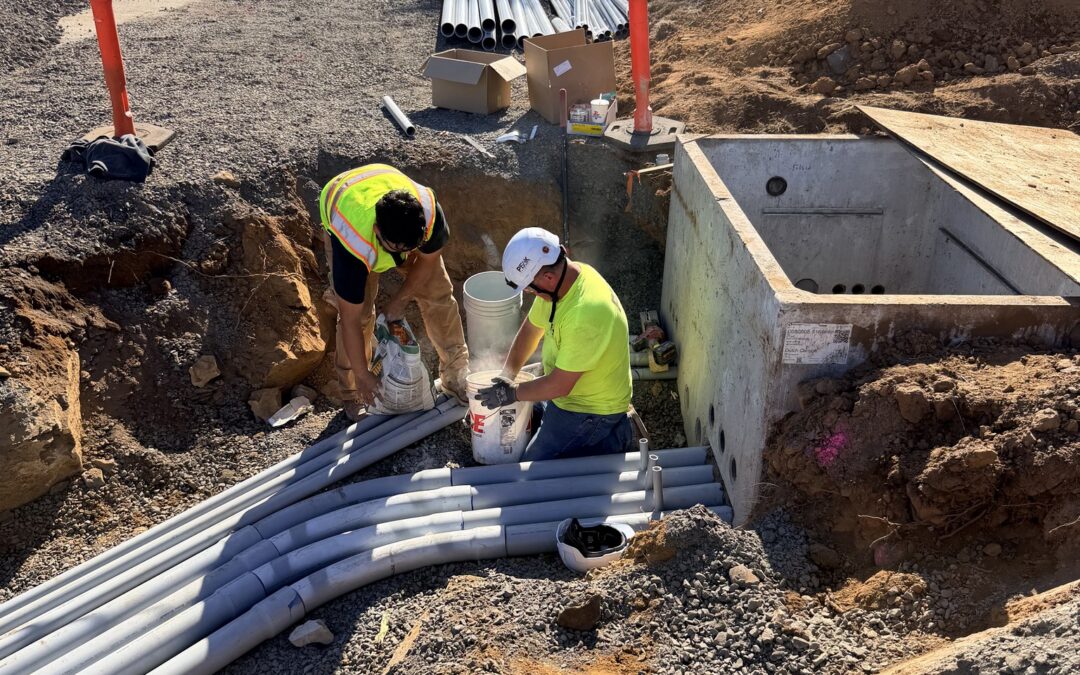
Safe excavation and replacement procedures
When you need buried wire repair service, contractors must first locate all underground utilities before breaking ground. According to the Common Ground Alliance, homeowners and contractors who call 811 before digging help prevent the damage to buried utilities that causes thousands of incidents across the country each year. This step prevents damage to existing infrastructure and reduces safety risks. Workers should call 811 at least two business days before digging to have utilities marked.
Excavation depth matters for safety and code compliance. Your trench must extend deep enough to access damaged wiring while maintaining stable walls. Support systems or sloping prevent cave-ins during repair work. Workers entering trenches deeper than four feet need proper protection.
The replacement process requires removing damaged sections completely. You cannot patch heavily degraded wiring. New conductors must match or exceed the original specifications. All connections need proper junction boxes rated for underground use.
Methods for insulation and protection enhancement
Underground wiring needs multiple layers of protection against moisture and physical damage. Direct burial cables require ratings for wet locations and soil contact. You should use conductors with thick insulation designed specifically for underground installation.
Conduit provides the best protection for buried electrical lines. PVC conduit works well for residential applications and resists corrosion. Metal conduit offers superior physical protection in high-risk areas. Your trench electrical repair should include conduit when replacing old direct burial wire.
Protection requirements:
- Warning ribbon placed 12 inches above the installation
- Proper burial depth based on voltage and location
- Backfill material free of rocks or sharp objects
- Insulation rated for continuous moisture exposure
Compliance with local electrical codes
Hillsboro follows the National Electrical Code along with local Design and Construction Standards. These regulations set minimum requirements for underground installations. Your contractor must obtain permits and schedule inspections for electrical restoration work.
Burial depth requirements vary based on the wiring method and location. Residential circuits typically need 24 inches of cover when using direct burial cable. Conduit installations may require less depth depending on the conduit type and protection level.
The city’s standards address street trees, sidewalks, and drainage that may affect your underground electrical repair. You need to coordinate with multiple departments when work impacts public infrastructure. Proper documentation and as-built drawings help future maintenance and repairs.
Strategies for preventing future underground failures
Underground electrical systems require careful attention to prevent costly failures and dangerous outages. Regular inspections, proper installation methods, and timely upgrades form the foundation of a reliable underground power system.
Execution of routine inspection protocols
You need a consistent inspection schedule to catch problems before they cause complete system failure. Most underground cable damage happens before energization, during transit, storage, handling, or installation. Regular inspections help identify wear patterns, moisture intrusion, and insulation degradation early.
Your inspection protocol should include visual checks of accessible components, thermal imaging to detect hot spots, and partial discharge testing to find developing issues. Testing should occur at planned intervals based on cable age and environmental conditions. Cables in areas with extreme weather or challenging soil conditions need more frequent attention. Folding this work into structured maintenance contracts makes scheduling and documentation far easier.
Key inspection activities include:
- Cable route verification and marking
- Splice and termination point examination
- Moisture barrier integrity checks
- Grounding system evaluation
- Load capacity assessment
Documentation of each inspection creates a history that helps predict when maintenance or replacement will be needed. This approach reduces unexpected outages and extends the working life of your underground system.
Importance of proper electrical installation
The way crews install underground cables directly affects how long they last and how safely they operate. Poor installation practices cause the majority of early cable failures in underground systems.
Your installation team must follow manufacturer specifications for bend radius, pulling tension, and burial depth. Cables damaged during installation may work initially but fail months or years later. You should use proper tools and equipment designed for underground cable handling.
Correct backfill material protects cables from physical damage and helps dissipate heat. Sharp rocks or improper soil compaction can damage cable jackets over time. Your crews need to protect cables during concrete pours and other construction activities that happen after initial installation.
Benefits of system upgrades for reliability
Older underground systems built with earlier cable technology experience higher failure rates as they age. Upgrading these systems with a planned 200 amp service upgrade or a subpanel installation prevents widespread outages and improves overall reliability.
Modern cables feature better insulation materials that resist moisture, chemicals, and temperature extremes. New termination and splicing products create more reliable connections that last longer. You can also add monitoring equipment that detects developing problems before they cause outages.
System upgrades let you increase capacity to meet growing demand while improving safety, with load balancing playing a key role in keeping new circuits from being overworked. Replacing aging infrastructure on a planned schedule costs less than emergency repairs after failures. Your upgrade strategy should prioritize circuits with the highest failure rates or those serving critical facilities.
Conclusion
Underground wiring repair protects your Hillsboro home from serious electrical hazards. When water seeps into cable insulation or age weakens your system, professional repair prevents potential failures and fire risks.
Working with licensed electricians ensures your underground wiring meets current safety codes. They can detect problems early, repair damaged segments, and restore your electrical infrastructure properly.
Older Hillsboro homes near Orenco Station and Reedville often need these services. If your property was built before the 1970s, you should have your underground wiring inspected regularly.
Don’t wait for visible signs of damage to address underground wiring issues. Water intrusion happens slowly and weakens your system over time. Professional assessment catches these problems before they become dangerous.
Your electrical system deserves attention from qualified experts who understand local conditions and requirements. They have the tools and training to handle underground repairs safely. To protect your family and your property investment with help from a licensed local team, schedule service with Peak Electric Group today.
Recent Comments