
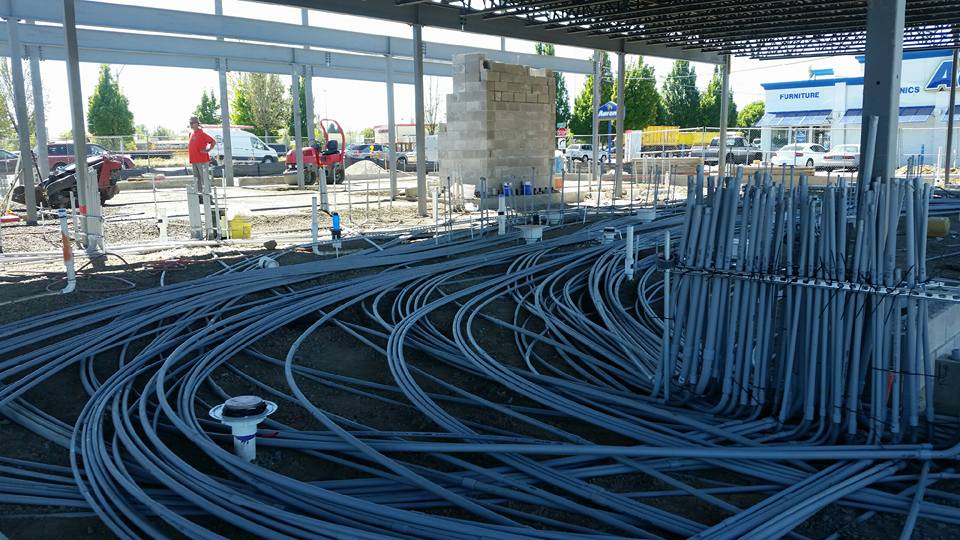
Behind every reliable storefront, office, or warehouse is wiring that quietly does its job around the clock. Quality commercial electrical wiring installation for safe systems in Portland is what keeps lights on, equipment protected, and your operation running without surprises.
Commercial electrical wiring plays a major role in keeping Portland businesses running safely and efficiently. From offices to retail spaces to industrial facilities, the electrical systems in these buildings are far more complex than those in homes. They handle higher voltages, support specialized equipment, and must meet strict building codes that protect both workers and customers.
Professional commercial electrical wiring installation in Portland ensures your business has a reliable power system that meets all safety standards and local code requirements. When electrical systems are designed and installed correctly, they prevent costly failures, reduce fire risks, and keep your operations running without interruption. Poor installation work can lead to equipment damage, power outages, and serious safety hazards that put people and property at risk.
Understanding what makes commercial wiring different from residential work helps you make better decisions for your business. You need to know about the hidden problems that cause electrical failures, the design features that create safe systems, and why ongoing inspections matter for long-term reliability. The right approach to commercial electrical installation protects your investment and gives you peace of mind.
In this article, you will learn:
- Hidden causes of commercial electrical failures
- Essential design considerations for commercial buildings
- Risks associated with poor electrical installation
- Advantages of professional wiring services
- Importance of ongoing system inspections
Keep reading to understand exactly what separates a code-compliant commercial installation from one that puts your business at risk, and how to spec the right system for your space.
Hidden causes of commercial electrical failures
Electrical problems in commercial buildings often start small and stay out of sight until they cause major disruptions. Overloaded circuits, breaker issues, and outdated wiring create safety risks and equipment damage that can shut down your business operations.
Flickering lights and overloaded circuits
Flickering lights in your Portland commercial building signal that circuits are handling more power than they should. When you plug too many devices into one circuit, the electrical flow becomes unstable. This creates voltage drops that make lights dim or flicker.
Overloaded circuits heat up and damage wire insulation over time. The heat builds up inside walls where you cannot see it. Your electrical system tries to handle the excess load, but components break down faster than normal.
Most commercial spaces add equipment without checking if existing circuits can support the extra power draw. You might notice lights flickering when large equipment starts up, like HVAC systems or industrial machinery. This happens because the startup draws significant power and overwhelms the circuit temporarily.
Breaker trips from high-capacity usage
Circuit breakers trip frequently when your electrical system faces demand it was not designed to handle. Modern commercial equipment uses more power than older breakers can safely manage. A breaker that trips once or twice might reset fine, but repeated trips damage the internal mechanism.
High-capacity equipment like commercial refrigeration, servers, or manufacturing tools requires dedicated circuits. When these devices share circuits with other equipment, breakers trip to prevent overheating and fires. Each time a breaker trips, it weakens slightly and becomes less reliable.
Your breaker panel shows its age through warm spots, burnt smells, or loose connections. These signs mean the panel struggles with your current power needs. Breakers older than 15 years often fail to trip when they should, which removes the safety protection you need.
Aging wiring and modern equipment needs
Wiring installed 20 or 30 years ago cannot safely power today’s commercial equipment. Older buildings in Portland often have aluminum wiring or undersized copper wiring that overheats under modern loads. The insulation on old wires becomes brittle and cracks, exposing bare conductors inside your walls. According to the U.S. Fire Administration, electrical malfunctions are involved in tens of thousands of structure fires every year, and aging wiring is consistently among the leading ignition factors.
Modern commercial equipment requires more amperage and stable power delivery than older wiring provides. Your computers, LED systems, and specialized machinery need consistent voltage that degraded wiring cannot deliver.
Outdated wiring also lacks proper grounding that protects sensitive electronics. Without adequate grounding, power surges damage expensive equipment and create shock hazards for employees.
Essential design considerations for commercial buildings
Proper electrical design sets the foundation for reliable business operations and prevents costly problems. Load calculations, dedicated circuits, and structured wiring systems determine whether your commercial space can support both current needs and future growth.
Dedicated circuits for stable equipment operation
Business electrical installation requires separate circuits for equipment that draws significant power or needs consistent voltage. Your HVAC systems, kitchen appliances, computers, and medical devices each need their own dedicated circuits to function properly.
When multiple devices share a single circuit, voltage drops can damage sensitive equipment or cause unexpected shutdowns. This is especially important for offices with server rooms, where power fluctuations can corrupt data or destroy hardware.
Dedicated circuits also prevent nuisance tripping. If your refrigeration unit shares a circuit with other equipment, the combined load might trip breakers during peak operation hours.
Portland electrical codes require dedicated circuits for most commercial equipment over 1,000 watts. Your electrical contractor should identify all high-draw equipment during the planning phase to determine circuit requirements, including where new outlets need to land for daily use.
Accurate load calculations to prevent overloads
Load calculations determine the total electrical capacity your building needs. These calculations account for all connected equipment, lighting systems, HVAC units, and anticipated usage patterns.
An undersized electrical system causes frequent breaker trips and prevents you from adding new equipment. Oversizing wastes money on unnecessary infrastructure that you’ll never use.
Professional office wiring installation begins with examining your equipment specifications and operational schedules. Calculate the starting watts for motors and compressors, since they draw more power during startup than during normal operation. According to the U.S. Energy Information Administration, refrigeration, ventilation, lighting, and office equipment together account for the majority of electricity use in commercial buildings, which is why accurate load planning around these categories matters so much.
Portland commercial buildings must follow NEC Article 220 for load calculations. The calculations differ based on your building type, whether you operate retail space, offices, restaurants, or manufacturing facilities.
Your electrical designer should include a 25% safety margin beyond calculated loads. This buffer accommodates minor additions without requiring system upgrades.
Benefits of structured wiring for future expansion
Structured wiring organizes your electrical, data, and communication cables into a unified system with clear pathways and access points. This approach uses conduits, cable trays, and junction boxes positioned for easy modifications.
Business electrical installation with structured wiring lets you add circuits or relocate equipment without tearing into walls. The system includes extra conduit capacity for running new cables as your business grows.
Labeling every circuit and cable at the panel and endpoints saves hours during troubleshooting or renovations. Your maintenance team can quickly identify which circuit serves which equipment.
Structured systems also separate power and data cables to reduce electromagnetic interference. Keep low-voltage wiring at least 6 inches from high-voltage lines, or use shielded cables when separation isn’t possible.
Risks associated with poor electrical installation
Poor electrical installation creates serious problems that affect safety, operations, and costs in commercial buildings. Electrical work done incorrectly can cause fires, failed inspections, and damage to expensive equipment.
Overheating and fire hazards from improper wiring
Faulty wiring is one of the biggest fire risks in commercial buildings. When wires are connected wrong or sized too small for the electrical load, they heat up beyond safe levels. This heat can melt wire insulation and ignite nearby materials.
Overloaded circuits are a common cause of overheating. Your building might have circuits handling more power than they were designed for. This happens when installers underestimate power needs or when you add equipment without upgrading the electrical system.
Common wiring problems that cause overheating include:
- Loose connections that create resistance
- Wrong wire gauge for the amperage
- Missing or damaged insulation
- Improper grounding
Poor installation also means fire safety features might not work correctly. Circuit breakers and other protective devices need proper installation to shut off power during dangerous conditions. When something does fail in the middle of a shift, having a trusted source for emergency repairs keeps a small incident from shutting your business down for days.
Delays from code violations and inspection issues
Work that doesn’t meet electrical codes will fail inspection. You’ll face project delays while contractors fix the problems and schedule re-inspections. Each failed inspection costs you time and money.
Portland requires commercial electrical work to follow the National Electrical Code and local regulations. Inspectors check for proper permits, correct materials, and safe installation methods. When your contractor cuts corners or doesn’t know current codes, your project stops.
Code violations can also affect your business operations. You might not get approval to occupy the building or use certain equipment. Insurance companies may refuse coverage for systems that don’t meet code requirements. According to the Occupational Safety and Health Administration, electrical hazards are among the most common workplace dangers, and many of them stem directly from installation work that does not meet established standards.
Potential equipment damage due to unstable power
Poor electrical installation creates power quality problems that harm your equipment. Voltage fluctuations, power surges, and electrical noise can damage sensitive electronics and machinery. Commercial equipment like computers, servers, and manufacturing tools need stable, clean power to work correctly.
Improper grounding is a major cause of equipment damage. Without correct grounding, electrical faults can send damaging voltage through your devices. This shortens equipment life and causes unexpected failures. In some cases the underlying issue is a short circuit hidden in a wall or junction box, where damage continues silently until it surfaces.
Your electrical system also needs proper protection from surges and overcurrent. Missing or incorrectly sized protective devices let dangerous electrical conditions reach your equipment. The cost of replacing damaged equipment often exceeds what you would have paid for proper installation.
Advantages of professional wiring services
Professional commercial electrician services deliver organized systems that lower maintenance costs, cut energy waste, and keep your Portland business running without extended downtime. These advantages directly impact your operating budget and workplace safety.
Simplified maintenance with organized layouts
Professional electricians design wiring layouts that follow clear labeling systems and logical pathways. This organization makes it easy to locate specific circuits when repairs or updates become necessary. Your maintenance team can quickly identify problems without tracing cables through walls or ceilings for hours.
Properly labeled panels and well-documented wiring diagrams save time during emergencies. When equipment fails, technicians can restore power faster because they understand exactly how the system connects. This reduces the hours your business loses to electrical issues.
Organized installations also prevent future problems. Cables are secured correctly and separated by voltage requirements. Junction boxes are accessible and properly sized for the connections they contain. These details might seem small, but they prevent the tangled mess that makes repairs expensive and time-consuming.
Energy efficiency advancements in modern systems
Modern commercial wiring installations use materials and techniques that reduce power loss. Professional electricians select wire gauges that match your actual load requirements, which minimizes heat generation and wasted electricity. They also install circuits that balance electrical loads across phases, preventing overloaded lines that waste energy.
Updated wiring supports smart controls and automated lighting systems. You can add motion sensors, programmable controls, and energy monitoring equipment when your electrical infrastructure is designed to handle these technologies. According to the U.S. Department of Energy, upgrades to lighting controls, sensors, and other building systems can deliver meaningful reductions in commercial energy use, which directly lowers operating costs.
Commercial electrician services ensure your system meets current energy codes. Portland has specific requirements for commercial buildings, and professional installers stay current with these standards. Compliance protects you from fines and ensures your building qualifies for available energy efficiency incentives.
Reducing disruption through expert installation
Experienced electricians plan installations around your business schedule. They work in phases that keep most of your operation running while upgrades happen. This approach limits the impact on your customers and employees.
Professional teams complete projects faster than less experienced contractors. They bring the right tools, materials, and crew size for each job phase. This efficiency means shorter installation times and fewer days of reduced capacity for your business.
Proper installation also prevents callbacks and repairs. When electricians follow code requirements and industry standards from the start, your system works reliably for years. You avoid the disruption of having contractors return to fix mistakes or address safety violations discovered during inspections.
Importance of ongoing system inspections
Commercial electrical systems need regular attention to stay safe and functional. Professional inspections catch problems early, verify that safety standards are met, and allow your business to adjust its electrical capacity as needs change.
Identifying wear with preventive maintenance
Regular inspections help you spot signs of wear before they become serious problems. Electrical equipment naturally breaks down over time from daily use, environmental factors, and aging components.
During preventive maintenance visits, electricians check wire insulation for cracks or brittleness. They look at circuit breakers and panel boards for signs of overheating or corrosion. Connections that have loosened over time get tightened to prevent arcing and potential fire hazards.
These inspections also test your electrical equipment under normal operating conditions. This testing reveals issues that might not be obvious during a visual check. Finding and fixing small problems costs much less than dealing with equipment failures or emergency repairs.
Most commercial facilities should schedule inspections at least once per year. Buildings with heavy electrical loads or older systems may need more frequent checks.
Verifying safety through electrical testing
Electrical testing confirms that your commercial system meets current safety codes and operates within safe parameters. Licensed electricians use specialized equipment to measure voltage, current, resistance, and grounding effectiveness.
Ground fault protection testing ensures your system will shut down properly during electrical faults. This protection prevents electric shocks and reduces fire risks. Electricians also verify that your circuit breakers trip at the correct amperage levels. When part of a building goes dark and the cause is not obvious, methodical partial power outage troubleshooting is the fastest way to get back online.
Testing reveals hidden dangers like improper wiring, inadequate grounding, or circuits that exceed their rated capacity. These conditions often develop gradually as businesses add more equipment without upgrading their electrical infrastructure. Professional testing catches these issues before they cause injuries or property damage.
Portland commercial properties must comply with National Electrical Code standards and local regulations. Regular testing documents your compliance and protects your business from liability.
Adapting systems for changing electrical needs
Your electrical demands change as your business grows or adds new technology. Regular inspections identify when your current panel can’t safely handle increased loads.
An electrician can assess whether your panels, circuits, and wiring capacity match your actual usage patterns. They measure how close you are to maximum capacity on each circuit. This information helps you plan a 200 amp service upgrade or other commercial electrical upgrades before you experience power issues or safety concerns.
Adding new machinery, expanding operations, or installing energy-intensive equipment often requires system modifications. Professional inspections determine what upgrades you need, such as additional circuits, larger service panels, or enhanced grounding systems. Planning these changes during routine inspections prevents rushed installations and ensures proper integration with your existing infrastructure.
Conclusion
Safe commercial electrical wiring installation in Portland requires careful planning and professional expertise. You need to work with licensed electricians who understand local regulations and can design systems that meet your business needs.
Your electrical system forms the foundation of your business operations. Proper installation prevents safety hazards, reduces maintenance costs, and ensures compliance with Portland’s electrical codes under Title 26. These regulations exist to protect your property, employees, and customers.
You should never compromise on electrical work quality. Poor installation leads to equipment damage, fire risks, power disruptions, and potential legal issues. Licensed professionals have the training to handle complex commercial systems safely.
Your investment in proper electrical installation pays off through reliable operation and peace of mind. Working with experienced contractors means your project gets done right the first time. They understand permit requirements, inspection processes, and local code specifics that apply to Portland businesses.
Take time to choose the right electrical contractor for your project. Ask about their commercial experience, licensing, and familiarity with Portland regulations. A well-installed electrical system supports your business growth while keeping everyone safe. When you are ready to move forward with a licensed team that handles commercial wiring projects across Portland, schedule service with Peak Electric Group to plan your installation.
Recent Comments