Getting the right lighting in your Hillsboro home or business makes a bigger difference than most people think. Old fixtures waste energy, create dark spots, and can even lower your property’s value. Modern lighting options offer better brightness, lower utility bills, and smarter controls that fit how you actually use your spaces.
Professional lighting installation in Hillsboro includes LED retrofits, fixture replacements, outdoor security lighting, and smart controls designed to match your specific needs while meeting local energy codes. Whether you need to brighten a single room or upgrade an entire building, the right approach involves more than just swapping out bulbs.
Lighting installation in Hillsboro covers everything from single-room upgrades to full commercial retrofits, and the right solution depends on your property type, energy goals, and how each space is used. Understanding what drives lighting costs and where modern technology delivers the biggest returns helps you make informed decisions.
In this article, you will learn about:
- Unexpected costs of outdated lighting
- Enhancing comfort and property value with modern lighting
- How LED technology transforms energy use
- Tailoring lighting strategies to specific spaces
- The role of professional lighting installation
Keep reading to find out which upgrades deliver the fastest savings and how professional installation protects your investment.
Unexpected costs of outdated lighting
Old lighting systems drain your wallet through higher electric bills, frequent repairs, and safety risks that many property owners overlook until problems become serious. These hidden expenses add up over time and often cost more than upgrading to modern fixtures.
Higher energy consumption from older lighting systems
Older lighting technologies use far more electricity than modern options. Incandescent bulbs convert only 10% of their energy into light, with the rest wasted as heat. If your Hillsboro property still uses incandescent or older fluorescent fixtures, you could be paying two to three times more on your energy bills than necessary.
Traditional bulbs also need replacement much more often. An incandescent bulb lasts about 1,000 hours, while LED bulbs last 25,000 to 50,000 hours. This means you replace old bulbs up to 50 times more frequently, adding to both material costs and labor time. According to the U.S. Department of Energy, lighting accounts for roughly 15 percent of an average home’s electricity use, and switching to LEDs saves the typical household about $225 per year in energy costs.
Outdated lighting systems lack modern controls like dimmers and motion sensors. Without these features, lights stay on when rooms are empty, driving up your monthly utility costs even further.
Common performance issues with aging fixtures
Old fixtures develop electrical problems that create safety hazards and repair expenses. Worn wiring can cause flickering, buzzing sounds, or complete failure of your lighting system. These issues require service calls from electricians, with each visit costing between $50 and $250 for labor alone.
Aging fixtures often have corroded connections that create hot spots. This increases fire risk and can damage your electrical system over time. You may also notice dimming lights or inconsistent brightness as components wear out.
Older fluorescent systems contain ballasts that fail after years of use. Replacing a ballast costs nearly as much as installing a new LED fixture, making repairs less practical than upgrades.
Signs it may be time for a lighting upgrade
Frequent bulb replacements mean your fixtures are nearing the end of their useful life. If you replace bulbs in the same fixtures every few months, upgrading will save you money and hassle.
Rising electric bills without increased usage point to inefficient lighting. Compare your current energy costs to previous years to identify unusual increases.
Flickering or buzzing lights signal electrical issues that need immediate attention. These problems indicate failing components that could lead to bigger repairs.
Poor light quality affects your ability to see clearly and complete tasks. If rooms feel dim despite working bulbs, your fixtures no longer provide adequate illumination for your space.
Enhancing comfort and property value with modern lighting
Quality lighting changes how you experience your home while making it more valuable. Modern fixtures and systems improve safety, add function to every room, and make your property look better from the street.
Creating safer indoor and outdoor environments
Good lighting reduces accidents by removing dark spots where you might trip or stumble. Bright entryways help you see steps clearly when you come home at night. Well-lit hallways and staircases prevent falls inside your home.
Outdoor lighting adds security to your property. Motion-sensor lights near doors and driveways alert you to movement and discourage unwanted visitors. Path lighting guides you safely from your driveway to your front door.
Modern fixtures provide consistent, reliable light without flickering or dimming. LEDs work better in cold weather than older bulbs, so your outdoor lights stay bright all year. Smart lighting systems let you control lights remotely, so you can turn them on before you arrive home.
Enhancing comfort and functionality throughout the property
The right lighting makes daily tasks easier and more comfortable. Under-cabinet lights in kitchens help you see what you’re cutting and cooking. Task lighting at desks and workspaces reduces eye strain when you read or work on projects.
Dimmers let you adjust brightness based on what you’re doing. You can use bright light when you need to focus and softer light when you want to relax. Smart controls let you set different lighting scenes for different times of day.
Energy-efficient LED fixtures lower your electricity bills while providing better light quality. These bulbs last much longer than old incandescent bulbs, so you spend less time replacing them. Modern lighting systems also produce less heat, which keeps rooms more comfortable.
Improving curb appeal and overall appearance
Updated light fixtures make your home look well-maintained and current. New sconces beside your front door or garage create a polished first impression. Modern exterior fixtures show that you care about your property’s appearance.
Real estate professionals point to lighting as one of the fastest ways to boost home value. Buyers see updated fixtures as a sign that the home has been taken care of. Old, outdated lights suggest the property needs work.
Interior lighting affects how buyers see your home’s space and style. Good lighting makes rooms feel larger and more inviting. Contemporary fixtures add visual interest and help each room serve its purpose better.
How LED technology transforms energy use
LED lighting installation in Hillsboro offers significant advantages in energy consumption, durability, and maintenance costs. These benefits make energy efficient lighting in Hillsboro a smart investment for both residential and commercial properties.
How LED fixtures reduce electricity consumption
LED fixtures use at least 75% less energy than traditional incandescent bulbs. This dramatic reduction happens because LEDs convert electricity directly into light with minimal heat waste.
Your monthly utility bills drop significantly when you switch to LED technology. A typical LED bulb uses only 8-12 watts to produce the same brightness as a 60-watt incandescent bulb.
The energy savings add up quickly across your entire property. If you replace 20 traditional bulbs with LEDs, you could save hundreds of dollars per year on electricity costs. According to ENERGY STAR, commercial buildings can achieve significant reductions by upgrading lighting, which accounts for 17 percent of all electricity consumed in U.S. commercial facilities.
Key energy savings:
- 75-80% less electricity than incandescent bulbs
- 30-50% less energy than fluorescent lighting
- Reduced cooling costs due to minimal heat output
- Longer lifespan compared to traditional lighting options
LED bulbs last up to 25 times longer than incandescent lighting. A quality LED fixture typically runs for 25,000 to 50,000 hours before needing replacement.
You can expect an LED bulb to last 3-5 years with continuous use or 15-20 years with average daily operation. Traditional incandescent bulbs burn out after just 1,000 hours, while compact fluorescents last around 8,000 hours.
This extended lifespan means fewer trips to the store and less waste in landfills. Your lighting stays consistent and reliable for years without performance degradation.
Lower maintenance requirements over time
LED technology requires minimal maintenance once installed. You spend less time and money replacing burned-out bulbs throughout your home or business.
The reduced replacement frequency particularly benefits hard-to-reach fixtures like high ceilings, outdoor lights, and recessed installations. You avoid the hassle and expense of frequent ladder work or hiring professionals for routine bulb changes.
LED fixtures maintain their brightness throughout their lifespan without the gradual dimming common in other technologies. This consistency means your spaces stay properly lit without constant monitoring or adjustments.
Maintenance advantages:
- Fewer replacements reduce labor costs
- No fragile filaments to break
- Solid-state construction withstands vibration and impacts
- No warm-up time or cycling issues
Tailoring lighting strategies to specific spaces
Different spaces require different lighting approaches based on their function and use. Proper lighting installation in Hillsboro homes and businesses depends on matching the right fixtures and techniques to each environment’s unique needs.
Lighting solutions for kitchens, living areas, and workspaces
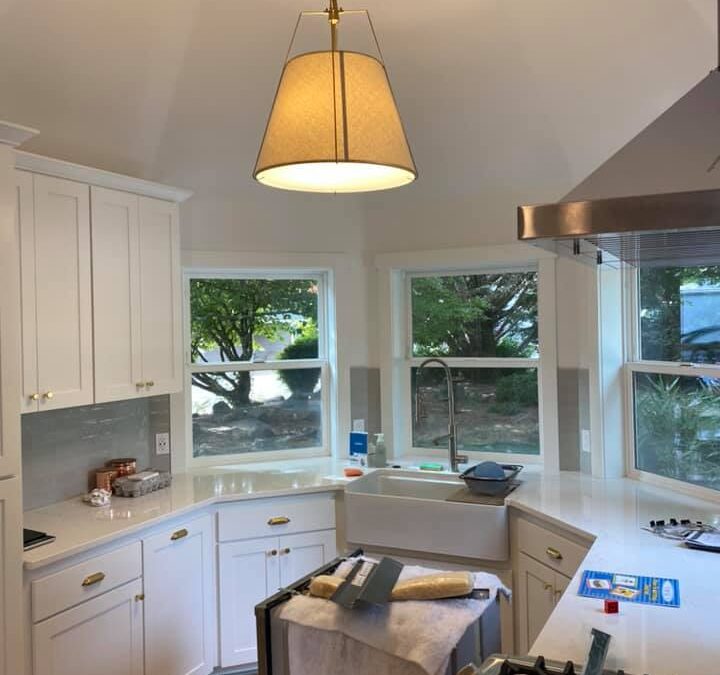
Your kitchen needs bright task lighting over counters and cooking surfaces to make food preparation safe and easy. Under-cabinet LED strips work well for cutting boards and prep areas. Pendant lights over islands provide focused light while adding style.
Living rooms benefit from layered lighting that creates flexibility. You should combine overhead fixtures with table lamps and floor lamps to control brightness levels throughout the day. Dimmer switches let you adjust the mood from bright for reading to soft for watching television.
Home offices and workspaces require focused lighting to reduce eye strain. Position desk lamps to eliminate shadows on your work surface without creating glare on computer screens. Natural light from windows helps but needs supplemental fixtures during early morning and evening hours.
Residential lighting in Hillsboro should account for the Pacific Northwest’s cloudy weather patterns. Many homes need stronger artificial lighting than regions with more consistent sunshine.
Commercial lighting designed for productivity and safety
Commercial spaces need lighting that supports employee performance and meets safety codes. Office areas require consistent overhead lighting at proper brightness levels to prevent eye fatigue and headaches during long work hours.
Retail stores use accent lighting to highlight products and create attractive displays. Track lighting gives you flexibility to adjust beam angles as merchandise changes. Higher light levels near entrances draw customers inside.
Warehouses and industrial facilities need high-output fixtures mounted at safe heights. Emergency lighting systems must activate automatically during power outages to guide workers to exits.
Commercial lighting installation in Hillsboro must comply with local building codes and energy efficiency standards. LED fixtures reduce electricity costs while providing the brightness your business requires.
Outdoor lighting considerations for security and aesthetics
Security lighting around your property deters intruders and helps you navigate walkways safely after dark. Motion-sensor lights near doors and driveways activate when someone approaches. You should position fixtures to eliminate dark corners where people could hide.
Path lights guide visitors from parking areas to entrances without creating glare. Spacing fixtures 8 to 10 feet apart provides consistent illumination along walkways.
Landscape lighting highlights architectural features and garden elements. Uplighting emphasizes trees and building facades. Downlighting from elevated positions creates moonlight effects across lawns and patios.
Weather-resistant fixtures withstand Hillsboro’s wet climate. Look for products rated for outdoor use with proper sealing against moisture. Timer controls or photocells turn lights on at dusk and off at dawn automatically.
The role of professional lighting installation
Professional electricians ensure your lighting works safely and efficiently through proper installation techniques and code compliance. They handle the technical challenges that come with modern lighting systems while maximizing the performance of your fixtures.
Proper fixture placement and electrical connections
A lighting contractor in Hillsboro evaluates your space to determine where fixtures will provide the best illumination. They consider room dimensions, ceiling height, natural light sources, and how you use each area. This planning prevents dark spots and reduces the need for excess fixtures.
Professional installation means your fixtures receive secure electrical connections that won’t loosen over time. Electricians use weatherproof junction boxes with gasket seals for outdoor installations and ensure all wire connections meet manufacturer specifications. They also verify that your electrical panel can handle the additional load without overloading circuits.
Proper mounting prevents fixtures from becoming loose or falling. Your electrician accounts for ceiling materials, fixture weight, and accessibility for future maintenance when installing each light.
Meeting electrical codes and safety requirements
Hillsboro requires electrical permits for most lighting alterations that involve wiring or fixture replacement. Licensed contractors obtain these permits, schedule inspections, and provide you with signed documentation when work is complete.
Professional installation follows National Electrical Code standards and local regulations. This includes proper wire gauges, circuit protection, grounding, and clearances around fixtures. These requirements exist to prevent electrical fires, shocks, and other hazards.
Electricians install fixtures with appropriate ratings for each location. Outdoor lights need specific IP ratings for weather exposure, while bathroom fixtures require moisture ratings. Kitchen and garage lighting must meet different safety standards than bedroom or living room fixtures.
Maximizing efficiency and lighting effectiveness
Professional installation ensures your lighting system operates at peak efficiency. Electricians properly connect LED fixtures and install compatible dimmer switches that prevent flickering or premature failure. They also set up smart lighting controls and occupancy sensors correctly so these features work as intended.
Your lighting contractor positions fixtures to minimize energy waste while providing adequate illumination. This includes selecting appropriate beam angles, calculating proper spacing between recessed lights, and positioning task lighting where you need it most.
Professional wiring prevents voltage drops that reduce light output and shorten bulb life. Electricians also identify opportunities to upgrade outdated fixtures or add controls that cut energy costs without sacrificing light quality.
Conclusion
Finding the right lighting installation service in Hillsboro can make a big difference in your home or business. You need professionals who understand both design and electrical work. The right team will help you choose fixtures that fit your space and your budget.
Local electricians in Hillsboro offer many types of lighting services. You can get LED upgrades, smart lighting controls, security lights, and custom designs. They work on both indoor and outdoor projects.
When you hire a lighting professional, they handle the complete project. This includes planning, wiring, fixture installation, and testing. You get lights that work correctly and last for years.
Take time to research local companies before you choose. Look at reviews and ask about their experience with your type of project. Many services offer free quotes so you can compare options.
The right lighting improves how your space looks and works. It adds safety, saves energy, and increases property value. Professional installation ensures you get these benefits without the risks of DIY electrical work. Contact Peak Electric Group to discuss your lighting installation needs and create a plan that works for your Hillsboro property.
Recent Comments