
Can a handyman do electrical work in Oregon or Washington? In most cases, no. Both states treat electrical installation as licensed work. If someone is being paid to add, extend, replace or repair wiring, circuits, panels or most fixtures, the work generally has to be done by a licensed electrician working for a licensed electrical contractor, and much of it needs a permit and inspection. That holds in Portland, Hillsboro and Vancouver alike. A handyman can be a great help around the house, but the wiring belongs with an electrician.
Here is what Portland-Vancouver homeowners should know before hiring anyone for electrical work, and how to check that the person you hire is licensed. If you already have a project in mind, call Peak Electric Group at 503-397-7818.
Why electrical work is licensed in Oregon and Washington
Electrical mistakes are often invisible. A loose connection or an overloaded circuit can work for months before it overheats inside a wall. Licensing exists so that the person doing the work has the training, the supervised hours and the code knowledge to get it right, and so that someone is accountable if it goes wrong.
In Oregon, electrical licensing is handled by the Building Codes Division, and contractors also register with the Construction Contractors Board. In Washington, the Department of Labor and Industries (L&I) licenses electrical contractors and certifies electricians. The details differ between the two states, but the principle is the same: paid electrical work requires the right electrical license, not just a general contractor or handyman registration.
The rules include some narrow exceptions, and they change from time to time. If you are not sure about a specific task, check with the Oregon Building Codes Division or Washington L&I before you hire. When in doubt, treat it as licensed work.
What a handyman can and cannot do
A good handyman is worth having. Patching drywall, hanging doors, assembling furniture and fixing a sticky window are all fair game. The line is the electrical system itself.
Usually fine for a handyman
- Changing light bulbs and smoke alarm batteries
- Patching drywall after an electrician has finished
- Mounting a TV on a wall where an outlet already exists
- Plugging in appliances that use an existing outlet
Should go to a licensed electrician
- Adding or moving outlets, switches or light fixtures
- Installing a ceiling fan where there was no fixture before
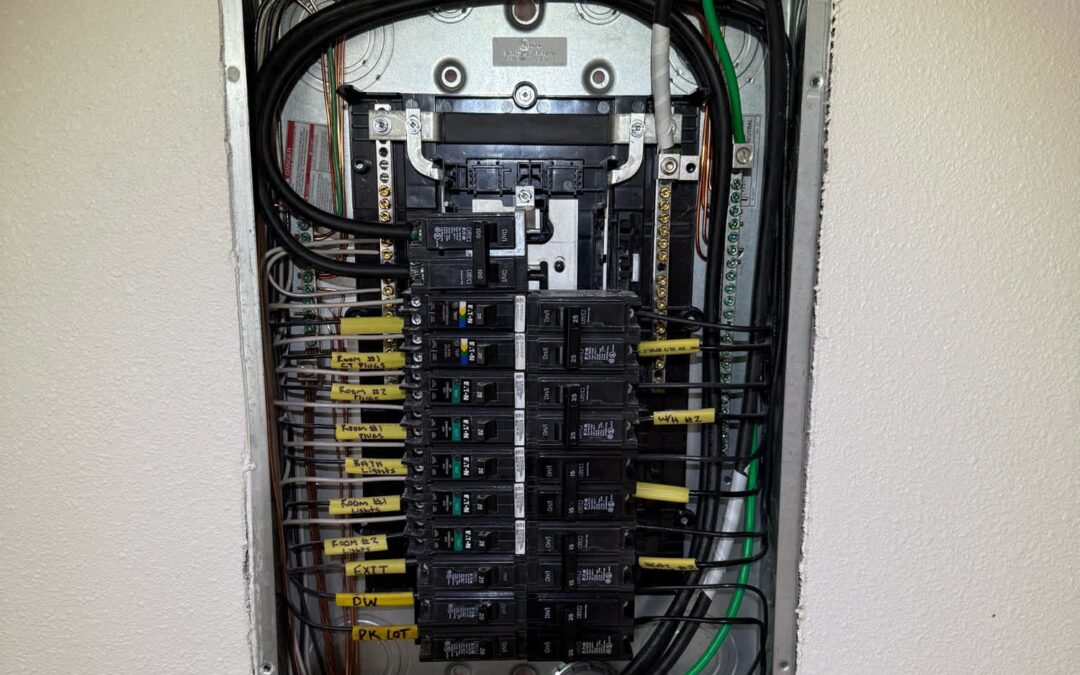
- Any work inside the electrical panel, including adding breakers
- New circuits for EV chargers, hot tubs, ranges or RV outlets
- Generator hookups and transfer switches
- Replacing knob-and-tube or aluminum wiring
- Remodel wiring in kitchens, bathrooms, basements and ADUs
Some of these look small. A ceiling fan, for example, needs a box rated to hold it and a circuit that can carry it. A new outlet in a kitchen or bathroom may need GFCI or AFCI protection under current code. Our guide to GFCI and AFCI requirements in Oregon and Washington explains why those details matter.
The real risks of unlicensed electrical work
Safety
Wrong wire sizes, missing grounds, loose connections and overloaded circuits can cause shocks and fires. Many older Portland homes already have decades of add-on wiring, so one more unlicensed change can push a system past its limits.
Inspections and selling your home
Work that should have had a permit and did not can surface during a home sale. Buyers’ inspectors often flag DIY or handyman wiring, and correcting it before closing is stressful and rushed. If you are preparing to sell, our electrical inspection checklist shows what inspectors look for.
Insurance and liability
If a fire is traced to unpermitted wiring, an insurer may ask questions about who did the work. Talk to your own insurance agent about how your policy treats it.
Paying twice
The cheaper quote is not cheaper if the work has to be torn out and redone. Correcting unpermitted work can mean opening walls, replacing materials and paying for a second permit and inspection.
What about doing it yourself?
Both Oregon and Washington allow homeowners to do some electrical work on their own home under specific conditions, typically with a permit and inspection. The conditions differ by state and by how the property is used, for example whether it is your residence or a rental. A homeowner exemption does not extend to a handyman you hire. If you are thinking about DIY work, start by contacting the state or local permit office for the current rules.
How to check that an electrician is licensed
- Oregon: look up the contractor on the Construction Contractors Board site and check the electrical license through the Building Codes Division.
- Washington: use L&I’s “Verify a contractor, tradesperson or business” tool.
- Ask for the license numbers and check that the name matches the business you are hiring.
- Ask who pulls the permit. A licensed electrical contractor should handle it.
- Get the scope in writing so you know exactly what is included.
For more on choosing a contractor, see our guide on how to choose a trusted residential electrician in Portland.
Why Peak Electric Group
Peak is licensed to work in both Oregon and Washington: Oregon CCB #206443 and Washington Lic #PEAKEEG854KA. We are a NECA member contractor working with IBEW Local 48, our owners Tim Banaszek Jr. and Jerry Larson have over 35 years of combined experience, and we are employee-owned. We have served homes and businesses from our Scappoose office since 2015, including Portland, Hillsboro and Vancouver.
Frequently asked questions
Can a handyman replace a light fixture in Oregon?
Replacing a fixture involves the wiring, so in general it is electrical work that should be done by a licensed electrician. Check with the Oregon Building Codes Division if you are unsure about a specific task.
Can a general contractor do electrical work in Washington?
Not without the right electrical license. A general contractor typically hires a licensed electrical contractor for the wiring on a remodel.
Do I need a permit to add an outlet?
Often, yes. Adding outlets or circuits usually needs a permit in both states. A licensed electrician will know what applies to your address.
Is a licensed electrician much more expensive than a handyman?
The hourly rate may be higher, but the job is done to code, permitted and inspected. That avoids the cost of fixing problems later. See our residential services for the work we handle.
Hire the right person for electrical work
If the job touches wiring, call a licensed electrician. Call 503-397-7818 or Schedule Service with Peak Electric Group.
Recent Comments