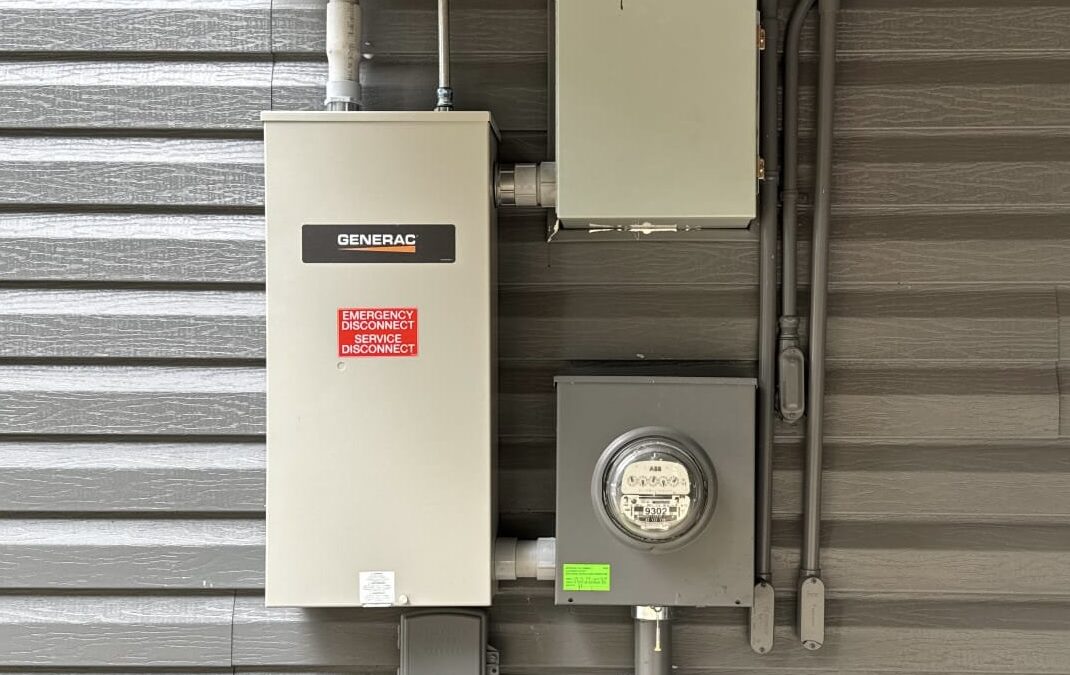
Your home’s electrical system works behind the walls to power everything from your lights to your appliances. When something goes wrong, it can be more than just an inconvenience. It can be dangerous. Professional residential electrical repair services fix problems like faulty outlets, circuit breaker issues, flickering lights, and damaged wiring to keep your home safe and your power running smoothly.
Licensed electricians have the training and tools to handle these repairs correctly. They can spot hidden problems that might lead to bigger issues later. Understanding when to call for help and what to expect from repair services can save you time, money, and worry.
In this article, you’ll learn how residential electrical repair services in Portland diagnose and fix common issues like home electrical repair, electrical troubleshooting, outlet repair, circuit breaker repair, and wiring repair.
Below, we’ll walk through each important aspect:
- What are residential electrical repair services and why they matter
- Frequent electrical problems addressed by residential repair services
- Causes of common residential electrical issues
- How professional residential electrical repair services work
- Safety benefits of professional electrical repair
- When to call an electrician for emergency repairs
- Maintenance tips to prevent future electrical problems
Keep reading! We will walk you through common electrical problems, how professionals solve them, and steps you can take to prevent future issues.
What are residential electrical repair services and why they matter
Residential electrical repair services fix problems in your home’s electrical system to keep it working safely and correctly. These repairs protect your family from electrical dangers and make sure your home meets local safety rules.
Understanding the scope of residential electrical repairs
Residential electrical repairs cover fixing any part of your home’s electrical system that stops working or becomes unsafe. This includes repairing damaged wiring, replacing broken outlets and switches, and fixing circuit breakers that trip too often.
You might need repairs when lights flicker, outlets stop working, or your electrical panel makes buzzing sounds. These problems often mean something is wrong with your electrical system.
Common repairs include fixing faulty wiring behind walls, replacing old electrical panels, and repairing damaged circuits. Electricians also fix problems with light fixtures, ceiling fans, and outdoor electrical components.
Some repairs are small and quick, like replacing a bad outlet. Others take more time, like rewiring a room or upgrading an outdated electrical panel that can’t handle your home’s power needs.
Importance of professional repair for safety and reliability
Licensed electricians have the training to find electrical problems that aren’t easy to see. They know how electricity flows through your home and can spot dangerous conditions before they cause bigger issues.
Electrical work involves serious risks if done wrong. A licensed professional uses proper tools and follows safety steps to protect themselves and your home during repairs.
Professional electricians provide:
- Accurate problem diagnosis
- Safe repair methods
- Proper materials and equipment
- Work that lasts long-term
- Protection for your home’s value
DIY electrical repairs often lead to bigger problems later. Wrong repairs can damage your electrical system, create fire risks, or cause shocks. Professionals get repairs right the first time, which saves you money in the long run.
Compliance with Portland electrical codes
Portland requires all electrical work to meet specific safety standards set by local building codes. These codes tell electricians how to install and repair electrical systems safely in your home.
According to the City of Portland, many residential electrical projects require an electrical permit and inspection, and the City outlines when a permit is needed and who can perform the work for one- and two-family homes, townhouses, and ADUs.
Licensed electricians know Portland’s current electrical codes and follow them on every job. They understand which permits you need and how to get inspections approved.
When you sell your home, buyers often check if electrical work was done legally. Repairs that don’t meet code can stop a sale or lower your home’s value. Professional repairs come with proper permits and documentation that prove the work meets Portland standards.
Insurance companies may not cover damage from electrical work that wasn’t done to code. Using a licensed electrician protects your insurance coverage and keeps your home legal.
Residential vs commercial electrical repair needs
Residential electrical systems run on different voltage levels than commercial buildings. Your home typically uses 120 and 240 volts, while commercial buildings often need higher voltage for large equipment.
Homes have simpler electrical layouts focused on lighting, appliances, and outlets. Commercial buildings need complex systems for machinery, security, and specialized equipment.
Key differences:
| Residential | Commercial |
| Single or three-phase power | Three-phase power systems |
| Standard outlet and lighting circuits | Heavy machinery circuits |
| Smaller electrical panels | Large distribution panels |
| Basic wiring needs | Complex conduit systems |
Residential electricians focus on home-specific problems like fixing bedroom outlets, repairing kitchen appliances, and upgrading home panels. They work with the systems and equipment found in houses.
Preventing hazards such as shocks or fire
Electrical problems cause thousands of home fires each year. Faulty wiring, overloaded circuits, and damaged electrical components can spark fires inside your walls where you can’t see them.
According to the U.S. Fire Administration (USFA), U.S. fire departments reported an estimated 24,200 residential building electrical fires in 2021, resulting in about 295 deaths, 900 injuries, and over $1.2 billion in property loss.
Old or damaged wiring loses its protective coating over time. This exposed wiring can arc and create heat that ignites nearby materials like wood framing and insulation.
Warning signs of electrical hazards:
- Outlets or switches that feel warm
- Burning smells near electrical devices
- Sparks when plugging things in
- Circuit breakers that trip repeatedly
- Discolored outlet covers
Electrical shocks happen when current flows through your body instead of through wires. Even small shocks mean something is wrong with your electrical system. Professional repairs fix these dangers before they hurt someone.
Ground fault circuit interrupters (GFCIs) and arc fault circuit interrupters (AFCIs) are safety devices that stop shocks and fires. Electricians install and repair these devices to add extra protection to your home’s electrical system.
Per the U.S. Consumer Product Safety Commission (CPSC), a GFCI is designed to shut off power quickly to help protect people from severe electrical shock, and wider GFCI use can further reduce electrocutions and home shock/burn injuries
Frequent electrical problems addressed by residential repair services
Home electrical systems can develop various issues that affect safety and daily comfort. Professional repair services address problems ranging from defective outlets to overloaded panels, ensuring your electrical system works properly and meets safety standards.
Faulty outlets and receptacles
Dead or malfunctioning outlets are among the most common reasons homeowners call for electrical repair. An outlet may stop working due to loose wiring connections, internal damage, or tripped GFCI protection. Sometimes only one outlet fails, while other times an entire circuit loses power.
Outlet repair involves testing the receptacle for power, checking wire connections, and replacing damaged components. Warm outlets or those with scorch marks require immediate attention since they indicate dangerous wiring problems. Loose outlets that pull away from the wall also need repair to prevent wire damage.
GFCI outlets in bathrooms and kitchens can trip and cut power to downstream outlets. A technician will test the reset function and replace faulty GFCI units that no longer provide protection.
Circuit breaker trips and panel issues
Circuit breakers that trip frequently signal an overloaded circuit or a short in your electrical system. When you plug in too many devices on one circuit, the breaker cuts power to prevent overheating. This is a safety feature, but constant tripping means you need circuit breaker repair or an upgrade.
Older electrical panels may not provide enough capacity for modern homes with multiple electronics and appliances. A repair technician can redistribute loads across different circuits or recommend a panel upgrade. Breakers can also wear out over time and trip without cause.
Warm breaker panels, buzzing sounds, or burning smells indicate serious problems that need immediate professional attention. These signs point to loose connections or failing breakers that create fire risks. Some homes still have outdated fuse boxes that should be replaced with modern circuit breaker panels for better safety.
Flickering or dimming lights
Lights that flicker or dim when you turn on appliances usually indicate voltage fluctuations or loose connections. A single flickering bulb typically means the bulb needs replacement, but multiple lights flickering together suggests a wiring issue.
Loose wire connections at fixtures, switches, or the panel cause lights to flicker. These connections create resistance and heat that can damage wires. An electrician will tighten connections and replace any damaged wiring.
Dimming lights when large appliances start up may mean the appliance draws too much power for the circuit. Dedicated circuits for high-draw appliances like air conditioners prevent this problem. Flickering throughout your home can also point to utility company issues with the main service line.
Electrical surges and wiring problems
Power surges damage electronics and indicate problems with your electrical system or external power supply. Lightning strikes and utility issues cause major surges, but most surges come from inside your home when large appliances cycle on and off.
Damaged wiring creates ongoing surge problems that harm devices over time. Old wiring with deteriorated insulation allows electricity to arc and spike. Aluminum wiring common in older homes creates particular concerns because connections loosen and overheat.
Repair services install whole-house surge protectors at your electrical panel to stop surges from reaching your devices. They also inspect wiring for damage, replace outdated materials, and ensure proper grounding. Frequent surges require a full electrical system evaluation to identify the source.
Malfunctioning switches or fixtures
Light switches that don’t work properly or make buzzing sounds need repair. Worn switches lose their internal spring tension and fail to make solid contact. Hot switches indicate loose wiring or switches handling more load than they’re rated for.
Dimmer switches can fail and cause lights to flicker or not dim smoothly. Standard switches in place of three-way configurations prevent lights from working from multiple locations. An electrician replaces faulty switches with proper rated components.
Light fixtures may not work due to socket problems, loose wiring, or fixture damage. Ceiling fans that wobble or make noise often have loose mounting brackets or motor issues. Outdoor fixtures exposed to weather develop corrosion that stops them from working.
Causes of common residential electrical issues
Most electrical problems in homes stem from age-related deterioration, excessive demand on circuits, or poor installation practices. Understanding these root causes helps you identify when professional wiring repair becomes necessary.
Aging wiring and outdated panels
Homes built more than 30 years ago often contain outdated electrical systems that can’t handle modern power needs. Older wiring materials like aluminum or cloth-insulated cables break down over time, creating fire hazards and connection failures.
Electrical panels from the 1980s or earlier may lack proper safety features like ground fault protection. These older panels often max out at 60 to 100 amps, far below the 200-amp standard needed for today’s homes.
Deteriorated wire insulation exposes bare conductors, increasing shock and fire risks. Loose connections develop at outlets and switches as metal components corrode and lose their grip over decades of use.
Overloaded circuits from modern appliances
Your home’s electrical system may struggle to power multiple high-demand devices on the same circuit. Modern appliances like refrigerators, microwaves, and air conditioners draw significantly more power than the equipment used when older homes were built.
Plugging space heaters, hair dryers, or kitchen appliances into the same circuit causes breakers to trip repeatedly. This happens because the combined amperage exceeds what the circuit wiring can safely carry.
Each circuit has a specific capacity, typically 15 or 20 amps for standard household circuits. When you exceed this limit, the breaker shuts off power to prevent the wires from overheating and potentially starting a fire.
Improper prior installations
DIY electrical work or unlicensed repairs often create dangerous conditions that require professional wiring repair. Incorrect wire connections, missing junction box covers, and improperly sized breakers compromise your home’s safety.
Some common installation mistakes include reversed polarity at outlets, ungrounded three-prong receptacles, and wires connected with electrical tape instead of proper wire nuts. These shortcuts create shock hazards and fire risks.
Previous homeowners may have added circuits without permits or proper planning. This can result in overloaded service panels, shared neutral wires between circuits, and inadequate wire gauge for the electrical load.
Water damage or corrosion
Moisture infiltration from leaks, flooding, or high humidity damages electrical components and wiring. Water conducts electricity and creates pathways for current to flow where it shouldn’t, leading to shorts and potential electrocution hazards.
Bathrooms, basements, and outdoor fixtures face the highest risk of water-related electrical issues. Corroded connections increase electrical resistance, causing heat buildup and potential fire ignition points.
Metal components in outlets, switches, and panel connections oxidize when exposed to moisture. This corrosion weakens connections and creates intermittent power problems that worsen over time.
Rodent damage or physical wear
Mice, rats, and squirrels chew through wire insulation to sharpen their teeth, exposing live conductors inside walls and attics. These damaged wires create short circuits and fire hazards that may go unnoticed until a problem occurs.
Physical wear happens in high-traffic areas where cables run through tight spaces or along sharp edges. Repeated movement and vibration gradually wears down insulation, especially in older installations with brittle wire coatings.
Nails or screws driven into walls during renovations sometimes pierce electrical cables. This damage may not cause immediate problems but can lead to shorts and failures months or years later as the punctured insulation deteriorates.
How professional residential electrical repair services work
Professional electricians follow a structured process to diagnose and fix electrical problems in your home. This approach ensures repairs are done safely and correctly the first time.
Initial inspection and troubleshooting
When an electrician arrives at your home, they start by gathering information about the electrical issue you’re experiencing. They’ll ask questions about when the problem started, what symptoms you’ve noticed, and whether any recent changes were made to your electrical system.
The electrician performs a visual inspection of your electrical panel, outlets, switches, and visible wiring. They look for obvious signs of damage like burn marks, frayed wires, or tripped breakers. This initial assessment helps them understand the scope of the problem.
They also check your electrical panel to see if circuits are overloaded or if breakers are functioning properly. Many electrical problems start at the panel, so this is a critical first step in the troubleshooting process.
Identifying the source of the problem
After the initial inspection, the electrician uses specialized tools to pinpoint the exact cause of your electrical issue. A multimeter measures voltage, current, and resistance in circuits to detect irregularities. Circuit tracers help locate wiring problems hidden behind walls.
Electrical troubleshooting requires systematic testing of different components. The electrician may test individual outlets, switches, and fixtures to isolate where the fault occurs. They check for loose connections, damaged wiring, or faulty components that need replacement.
Sometimes problems aren’t immediately visible. The electrician may need to remove outlet covers or access junction boxes to examine connections more closely. They follow safety protocols throughout this process to protect themselves and your home.
Safe repair or replacement of damaged components
Once the problem is identified, the electrician turns off power to the affected circuit at the breaker panel. Working with electricity requires strict safety measures, and cutting power is the most important step.
The electrician removes and replaces damaged components using proper tools and materials. This might include installing new outlets, switches, circuit breakers, or sections of wiring. They ensure all connections are tight and secure to prevent future problems.
All repairs must meet local electrical codes and safety standards. Licensed electricians know these requirements and follow them precisely. They use the correct wire gauges, proper connection methods, and appropriate materials for each specific repair.
Testing for functionality and safety
After completing repairs, the electrician restores power and tests the circuit thoroughly. They verify that outlets provide the correct voltage and that switches operate properly. Every repaired component gets checked to ensure it works as intended.
The electrician also tests for potential safety hazards. They check for proper grounding, verify that GFCI outlets trip correctly, and ensure no voltage leaks exist. These safety checks protect you from electrical shocks and fire hazards.
Final testing includes running loads on the circuit to make sure it handles typical electrical demand without problems. The electrician confirms that breakers don’t trip under normal operating conditions.
Recommendations for preventing future issues
Professional electricians don’t just fix immediate problems. They evaluate your entire electrical system and identify potential issues before they become serious. You’ll receive honest advice about components that may need attention soon.
Common recommendations include upgrading outdated wiring, adding circuits to reduce overloading, or replacing old electrical panels. These suggestions help prevent future breakdowns and improve your home’s electrical safety.
The electrician may also provide tips for proper electrical usage in your home. This includes guidance on avoiding circuit overloads, recognizing warning signs of electrical problems, and knowing when to call for professional help. Regular maintenance schedules might be suggested to keep your electrical system in good condition.
Safety benefits of professional electrical repair
Professional electrical repair protects your home from serious hazards like fires, shocks, and power failures. Licensed electricians have the training and tools to identify hidden dangers and fix them correctly the first time.
Reducing risk of electrical shock
Faulty wiring, damaged outlets, and exposed electrical components can deliver dangerous shocks to you and your family. Professional electricians know how to identify these hazards during repairs.
They use specialized equipment to test circuits and verify that all connections are secure. This testing catches problems that aren’t visible to the untrained eye.
Licensed electricians also understand proper grounding techniques. Correct grounding redirects electrical current safely into the earth if something goes wrong. Without proper grounding, you face a higher chance of serious injury from electrical contact.
Professional repairs ensure that switches, outlets, and fixtures meet current safety standards. Older homes often have outdated components that pose shock risks. A qualified electrician replaces these dangerous elements with modern, safer alternatives.
Preventing electrical fires
Electrical fires cause thousands of home fires each year. Many of these fires start from faulty repairs, overloaded circuits, or deteriorating wiring hidden inside walls.
Professional electricians inspect your entire electrical system during repairs. They look for warning signs like scorched outlets, burning smells, or warm switch plates. These indicators often point to dangerous conditions that need immediate attention.
Proper wire sizing is critical for fire prevention. Wires that are too small for the electrical load they carry generate excess heat. This heat can melt insulation and ignite surrounding materials. Licensed electricians calculate the correct wire gauge for each circuit.
They also ensure that circuit breakers match the wire capacity. Mismatched breakers allow too much current to flow through wires, creating fire hazards. Professional repairs include verifying that all protective devices work correctly and are properly rated for your system.
Ensuring reliable power throughout the home
Flickering lights, frequent breaker trips, and dead outlets disrupt your daily life. These problems often indicate deeper electrical issues that only worsen over time.
Professional repairs address the root cause rather than just the symptoms. An electrician traces power problems back to their source, whether it’s a loose connection, damaged circuit, or overloaded panel.
Your home’s electrical panel distributes power to every room. When professionals service this panel, they check all connections for tightness and corrosion. Loose connections create resistance, which generates heat and leads to failures.
Balanced electrical loads across circuits prevent one area from drawing too much power. Electricians redistribute circuits when needed to ensure stable power delivery throughout your home.
Compliance with safety codes
Electrical codes exist to protect people and property from harm. These codes change regularly as new safety standards emerge.
Licensed electricians stay current with national and local electrical codes. They know which requirements apply to your specific repair situation. Your repairs will pass inspection because they meet or exceed code requirements.
Key code areas that impact repairs:
- Wire types and ratings for different applications
- GFCI protection in bathrooms, kitchens, and outdoor areas
- AFCI protection in bedrooms and living spaces
- Proper box fill to prevent overcrowded junction boxes
- Clearance requirements around electrical panels
Homeowners insurance often requires code-compliant electrical work. If a fire or accident occurs due to improper repairs, your insurer may deny your claim. Professional repairs protect both your safety and your financial interests.
Peace of mind for homeowners
You have enough to worry about without wondering if your electrical system is safe. Professional repairs eliminate the uncertainty that comes with DIY work or unlicensed handymen.
Licensed electricians carry insurance that protects you if something goes wrong. Their work comes with warranties that guarantee the repair quality. If a problem develops after the repair, they return to fix it at no additional cost.
You can trust that the job was done right. Professional electricians have years of training and experience. They’ve seen countless electrical problems and know the safest, most effective solutions.
Your family’s safety depends on properly functioning electrical systems. Professional repairs mean you don’t have to second-guess whether your home is safe from electrical hazards.
When to call an electrician for emergency repairs
Some electrical problems need immediate attention from a professional electrician to prevent serious hazards like fires, injuries, or extensive property damage. Recognizing these urgent situations helps you respond quickly and protect your home and family.
Sparks or smoke from outlets or panels
Sparks or smoke coming from outlets, switches, or electrical panels signal a serious problem that requires immediate action. Turn off the power at the main breaker if you can do so safely. Never touch the outlet or panel while it’s sparking or smoking.
These symptoms often indicate loose connections, damaged wiring, or electrical overload. Any of these issues can start a fire within your walls or electrical system. The problem won’t fix itself and will only get worse over time.
Call an emergency electrician right away when you see sparks or smoke. Don’t wait until morning or the next business day. Professional electricians have the tools and training to diagnose the exact cause and make safe repairs immediately.
Persistent power outages or breaker trips
Circuit breakers that trip repeatedly point to a serious underlying issue. A breaker that keeps tripping is doing its job by preventing an overload or short circuit from causing damage. However, the constant tripping means something is wrong with your electrical system.
This problem can stem from overloaded circuits, faulty wiring, or defective appliances. You might also have a breaker that’s worn out and needs replacement. Resetting the breaker multiple times won’t solve the root cause and can create safety risks.
Contact an emergency electrician if your breakers trip more than once or if you experience frequent power outages in specific areas of your home. The electrician will test your circuits, identify the problem, and make necessary repairs to restore safe operation.
Exposed or damaged wiring
Exposed wires pose an immediate danger of electric shock and fire. You might spot damaged wiring after a home improvement project, pest damage, or normal wear and tear. Never touch exposed wires, even if you think the power is off.
Damaged wire insulation can allow electrical current to arc or leak. This creates hot spots that can ignite nearby materials. Frayed or chewed wires are equally dangerous and need professional repair.
Keep everyone away from the area with exposed wiring. Turn off power to that section of your home at the breaker panel. Call an emergency electrician to properly repair or replace the damaged wiring before restoring power.
Burning smells near electrical components
A burning smell near outlets, switches, or your electrical panel indicates overheating components. This distinctive odor often smells like burning plastic or hot metal. The smell might be constant or only appear when you use certain outlets or appliances.
Overheating occurs when wires carry more current than they’re designed to handle. It can also result from loose connections that create resistance and heat. Both situations can lead to electrical fires inside your walls.
Stop using any outlets or switches near where you smell burning. Turn off the circuit breaker for that area. Contact an emergency electrician immediately, even if the smell fades. The underlying problem remains and needs professional diagnosis and repair.
Unresponsive or malfunctioning electrical systems
Total power loss in your home when neighbors have electricity suggests a serious issue with your main electrical system. The problem could be in your main panel, service entrance, or meter connection. These components handle high voltage and require professional expertise to repair safely.
Other emergency situations include buzzing sounds from your electrical panel, flickering lights throughout your home, or outlets that feel hot to the touch. Shocks when you touch switches or appliances also require immediate attention.
Don’t attempt DIY repairs on these issues. The risks of injury or making the problem worse are too high. Emergency electricians have specialized equipment to work safely with high-voltage systems and can restore your power quickly while ensuring all repairs meet safety codes.
Maintenance tips to prevent future electrical problems
Taking care of your home’s electrical system helps you avoid expensive repairs and keeps your family safe. Regular inspections, smart usage habits, and professional help for major work protect your electrical infrastructure for years to come.
Schedule regular electrical inspections
You should have a licensed electrician inspect your home’s electrical system every three to five years. Older homes need more frequent checks, ideally every one to two years, because aging wiring and components break down faster.
During an inspection, an electrician examines your electrical panel, wiring, outlets, and switches for signs of wear or damage. They test circuits to make sure they work properly and check for code violations that could create safety risks.
Professional inspections catch problems early before they turn into costly repairs or dangerous situations. An electrician can spot overheated wires, loose connections, and outdated components that you might miss during daily use. These inspections also help you plan for necessary upgrades or replacements.
Avoid overloading circuits
Each circuit in your home handles a specific amount of electrical load. When you plug too many devices into one circuit, you create a fire hazard and damage your electrical system.
Pay attention to which outlets share the same circuit. Kitchens, living rooms, and home offices often have multiple devices running at once. Space out your high-power appliances across different circuits instead of plugging everything into one power strip.
Watch for these warning signs of an overloaded circuit:
- Flickering lights when you turn on appliances
- Warm or discolored outlet covers
- Frequently tripped circuit breakers
- Buzzing sounds from outlets or switches
Unplug devices you don’t need and avoid daisy-chaining power strips. If you regularly trip breakers, you may need additional circuits installed to handle your electrical needs safely.
Replace old or damaged outlets and switches
Outlets and switches wear out over time from regular use. You should replace them every 15 to 25 years, or sooner if they show signs of damage.
Check your outlets and switches for these problems:
- Cracks or chips in the cover plates
- Loose connections that don’t hold plugs firmly
- Scorch marks or discoloration
- Outlets that feel warm to the touch
- Switches that spark when you flip them
Two-prong outlets are outdated and lack proper grounding protection. Replace them with three-prong grounded outlets or GFCI outlets in areas near water. GFCI outlets shut off power quickly when they detect electrical problems, protecting you from shocks.
Don’t ignore damaged electrical components. A loose outlet or faulty switch creates heat and sparks that can start electrical fires.
Keep electrical panels dry and accessible
Your electrical panel controls power distribution throughout your home. It needs proper care to function safely and efficiently.
Keep at least three feet of clear space in front of your panel at all times. You and emergency responders need quick access during power outages or electrical emergencies. Don’t store boxes, furniture, or equipment near the panel.
Moisture damages electrical panels and creates shock hazards. Make sure your panel stays dry and address any water leaks near it immediately. Install panels in dry locations away from pipes, water heaters, and washing machines when possible.
Check your panel regularly for rust, corrosion, or water damage. Listen for buzzing or crackling sounds that indicate loose connections. If you notice any of these issues, contact an electrician right away.
Use professional electricians for upgrades
DIY electrical work often violates building codes and creates serious safety risks. Hire licensed electricians for all major electrical projects, including panel upgrades, circuit additions, and whole-house rewiring.
Professional electricians have the training and tools to do electrical work safely and correctly. They understand local building codes and pull the necessary permits for your project. Their work comes with warranties that protect you if problems arise later.
Licensed electricians carry insurance that covers damage or injuries during electrical work. When you attempt electrical repairs yourself, you take on full liability for any accidents or property damage.
You can handle simple tasks like replacing light bulbs or resetting circuit breakers. Leave everything else to qualified professionals who can spot potential problems and prevent future issues.
Conclusion
Your home’s electrical system needs professional attention when problems arise. Licensed electricians have the training and tools to handle repairs safely and correctly. They know local codes and can spot issues you might miss.
Regular maintenance helps catch small problems before they become expensive emergencies. You should schedule electrical inspections every few years, especially in older homes.
Small issues like flickering lights or warm outlets can signal bigger problems. Don’t ignore warning signs. Acting quickly can prevent damage to your home and keep your family safe.
When you choose an electrical repair service, look for proper licensing and insurance. Check reviews from other customers. Ask about their experience with your specific type of problem.
Your electrical system powers your daily life. Taking care of it through professional repairs and maintenance protects your investment and ensures everything works when you need it.
Schedule an on-site diagnostic with Peak Electric Group to pinpoint the cause quickly and complete code-compliant residential electrical repairs safely.
Recent Comments