Circuit breakers protect your home’s electrical system by shutting off power when something goes wrong. When a breaker keeps tripping or won’t reset in your Hillsboro home, it signals a problem that needs diagnosis before it becomes a safety hazard.
In this article, you’ll learn how circuit breakers work, what causes them to fail, how to troubleshoot common issues safely, when to stop troubleshooting and call a professional, and how to prevent problems before they start.
Here’s what you’ll find below.
- Understanding circuit breakers and their role
- Common circuit breaker problems in Hillsboro homes
- Troubleshooting and temporary fixes
- Hiring a professional for circuit breaker repair
- Preventing future breaker problems
Keep reading to learn how to identify the difference between a minor overload and a failing breaker, and when professional circuit breaker repair in Hillsboro is the right call.
Understanding circuit breakers and their role
Circuit breakers act as automatic switches that stop electrical current when problems occur in your home’s wiring. They detect issues like overloads and short circuits, then cut power to prevent fires, equipment damage, and electrical hazards.
How circuit breakers protect your home’s electrical system
Circuit breakers monitor the flow of electricity through your home’s circuits. When too much current passes through a wire, the breaker detects this overload and trips to stop the flow.
The breaker contains a switch mechanism connected to either a bimetallic strip or an electromagnetic component. Heat from excess current causes the bimetallic strip to bend, while sudden surges trigger the electromagnetic component. Both methods force the switch to flip to the off position.
This automatic shutoff prevents wires from overheating. Without this protection, your wiring could melt its insulation, start fires inside walls, or damage appliances and electronics plugged into the circuit.
Unlike older fuses that burn out and need replacement, you can reset a circuit breaker after it trips. This reusable design makes breakers more convenient and cost-effective for long-term electrical protection.
Common reasons breakers trip or fail
Overloaded circuits happen when you plug too many devices into outlets on the same breaker. The combined power draw exceeds what the circuit can safely handle, forcing the breaker to trip.
Short circuits occur when hot wires touch neutral wires or other hot wires. This creates a sudden surge of current that immediately trips the breaker to prevent dangerous arcing.
Ground faults develop when electricity flows through unintended paths, often through water or damaged insulation. Ground fault circuit breakers detect these irregular current patterns and shut off power.
Breakers also fail due to age and wear. The internal components can weaken after years of normal operation or frequent tripping. Loose wire connections at the breaker terminals create heat and resistance that damage the device over time.
Signs your breaker needs repair or replacement
A breaker that trips frequently indicates either circuit overload or a failing breaker mechanism. You should investigate the cause rather than simply resetting it multiple times.
Physical warning signs to look for:
- Burn marks or discoloration on the breaker or panel
- Burning smell coming from the electrical panel
- Breaker feels hot to the touch
- Breaker won’t stay in the reset position
- Buzzing or crackling sounds from the panel
A breaker that won’t reset at all has likely failed internally. The mechanical components may have worn out or suffered damage from a severe electrical fault.
Breakers typically last 30 to 40 years under normal conditions. If your electrical panel is older than this, the breakers may need replacement even without obvious problems. These are also key residential electrical panel upgrade signs you should not ignore before the situation worsens.
Common circuit breaker problems in Hillsboro homes
Circuit breakers in Hillsboro homes experience several recurring issues that require professional attention. Problems range from breakers that trip without warning to physical damage inside electrical panels that creates safety hazards.
Breakers that trip frequently or randomly
A breaker that trips often signals something is wrong with your electrical system. This happens when too many appliances run on one circuit at the same time, forcing the breaker to shut off power to prevent overheating. Older homes in Hillsboro may have circuits designed for lower electrical loads than modern households need.
Faulty wiring inside walls can also cause random trips. Damaged insulation allows wires to touch each other or metal boxes, creating short circuits that trigger the breaker. Some trips occur because the breaker itself has worn out from years of use.
A single large appliance like an air conditioner or space heater might draw more power than the circuit can handle. You’ll notice the breaker trips whenever you use that specific device. Moisture in outdoor outlets or damaged cords on power tools create ground faults that make breakers trip without obvious reasons.
According to the U.S. Fire Administration, electrical failures and malfunctions are among the leading causes of residential fires in the United States, with overloaded circuits and aging wiring cited as primary contributing factors. Hillsboro homes built before the 1990s face elevated risk due to electrical systems designed for significantly lower household power demands.
Breakers that won’t reset
When you flip a tripped breaker back to the on position but it won’t stay, the problem needs immediate attention. The breaker detects an ongoing electrical fault and refuses to restore power for safety reasons. A persistent short circuit in the wiring prevents the breaker from resetting properly.
Physical damage inside the breaker mechanism can stop it from latching into place. Years of tripping weaken the internal spring and contact points. You might feel the switch is loose or notice it doesn’t click firmly when you try to reset it.
The main issue could be a failed appliance still plugged into that circuit. Unplug everything connected to that breaker, then try resetting it again. If it stays on with nothing plugged in, reconnect items one at a time to find which device causes the problem.
Burned or damaged breaker components
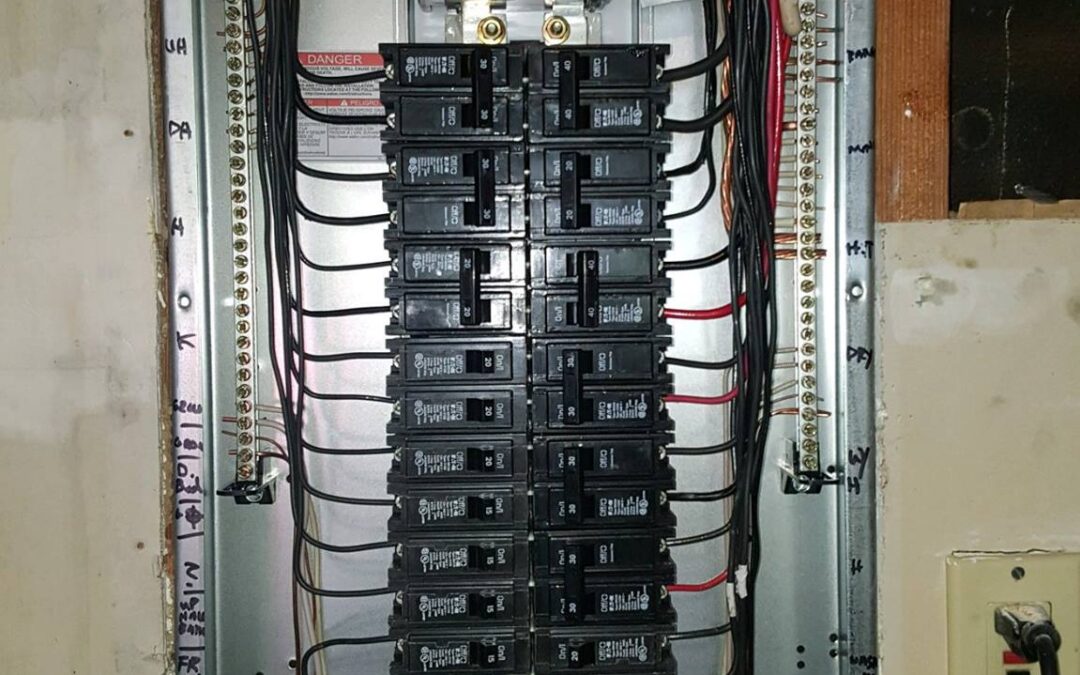
Visible signs of damage on circuit breakers include black marks, melted plastic, or a burning smell near the electrical panel. These indicate serious overheating that compromises your home’s safety. Loose connections between the breaker and panel bus bar create resistance that generates excessive heat.
Signs of corrosion or heat damage:
- Discolored metal parts
- White or green buildup on connections
- Rust around screw terminals
- Cracked or warped breaker housing
High electrical loads over long periods cause breakers to degrade faster than normal. Each time a breaker trips, the internal components experience stress. After hundreds of cycles, metal contacts wear down and no longer make solid connections.
Electrical panel issues leading to breaker failure
Problems with the main electrical panel affect how individual breakers function. Bus bars that show corrosion create poor contact points where breakers snap into place. This increases electrical resistance and causes breakers to overheat even under normal loads.
Panels installed decades ago in older Hillsboro homes may not meet current electrical codes. They lack capacity for modern electrical demands and force breakers to work harder than designed. Loose wiring connections at the panel create arcing that damages both the panel and breakers.
Moisture inside the panel from leaks or condensation corrodes metal components. Water and electricity together cause rapid deterioration of breaker contacts and bus bars. Some older panels have known defects that make breakers fail prematurely, requiring breaker panel replacement rather than simple breaker repairs.
Troubleshooting and temporary fixes
Circuit breaker problems often start with warning signs like frequent trips or flickering lights. Knowing how to safely reset breakers and identify the source of electrical issues can help you determine whether you need immediate professional repair or if the problem is manageable on your own.
Safely resetting a tripped breaker
A tripped breaker switches to the middle or off position when it detects an overload or fault. Before resetting it, unplug devices from the affected circuit to reduce the load.
Open your electrical panel door and look for the breaker that’s out of alignment with the others. Push it firmly to the off position first, then switch it back to on. This full reset ensures proper contact inside the breaker.
If the breaker trips again immediately, stop trying to reset it. This indicates a serious problem like a short circuit or faulty breaker that requires professional attention. Never force a breaker or bypass it with anything.
Identifying overloaded circuits
An overloaded circuit happens when you draw more electricity than the breaker can handle. Check the amperage rating printed on your breaker, which typically ranges from 15 to 20 amps for standard household circuits.
Calculate the total wattage of devices plugged into that circuit. High-power appliances like space heaters, hair dryers, and microwaves can draw 1,500 watts or more. Divide total watts by 120 volts to get the amp draw.
Common signs of overload:
- Breakers that trip when running multiple appliances
- Dimming lights when large devices turn on
- Warm outlet covers or switch plates
- Burning smells near outlets
Redistribute your devices across different circuits to balance the electrical load. Avoid using extension cords or power strips for major appliances.
Checking for short circuits or ground faults
Short circuits occur when hot wires contact neutral wires or ground wires directly. Ground faults happen when electricity finds an unintended path to ground. Both conditions cause breakers to trip immediately.
Inspect outlets and switches on the affected circuit for burn marks, melted plastic, or unusual smells. Look at visible wiring for damaged insulation or exposed copper. Check if the problem occurs only when using specific appliances.
GFCI breakers protect against ground faults in wet areas like bathrooms and kitchens. Test GFCI outlets monthly using their built-in test and reset buttons. If electrical panel troubleshooting in Hillsboro reveals persistent trips despite no obvious overload, a hidden short circuit may exist in your walls. A home electrical safety inspection can help locate these hidden faults before they escalate.
When temporary measures are not enough
Repeated breaker trips after redistributing loads suggest damaged wiring or a failing breaker. Breakers wear out over time and lose their ability to hold connections properly.
You need professional electrical repair if you notice:
- Breakers that feel hot to touch
- Visible corrosion or rust in the panel
- Buzzing or crackling sounds from the panel
- Burn marks or discoloration around breakers
Older homes with outdated panels may need upgrades to handle modern electrical demands. Licensed electricians have the tools to measure actual current draw, test breaker functionality, and safely diagnose wiring problems inside walls. Attempting complex electrical panel troubleshooting without proper training creates serious shock and fire risks.
Hiring a professional for circuit breaker repair
Professional electricians have the training and tools to diagnose problems accurately and fix them safely. Working with licensed experts in Hillsboro ensures your electrical system meets local codes and protects your home from potential hazards.
Licensed electricians and local Hillsboro expertise
When you hire a licensed electrician in Hillsboro, you get someone who understands Oregon’s specific electrical codes and permit requirements. Licensed professionals have completed years of training and passed state exams to prove their knowledge. They carry insurance that protects you if something goes wrong during the repair.
Local electricians know common issues in Hillsboro homes, from aging aluminum wiring to outdated panels that can’t handle modern electrical loads. They understand how weather conditions in the area affect electrical systems. A Hillsboro circuit breaker replacement done by a local expert means the work gets completed according to regional building standards.
You can verify a contractor’s license through the Oregon State Building Codes Division. This step helps you avoid unlicensed workers who might do substandard or dangerous work. For guidance on what to look for, the tips on choosing a local residential electrician in Portland apply equally to Hillsboro homeowners.
Ensuring code compliance and electrical safety
Electrical breaker repair in Hillsboro must follow the National Electrical Code and Oregon state regulations. Professional electricians know these requirements and ensure all work passes inspection. Code violations can create fire hazards and make it difficult to sell your home later.
Safety goes beyond just following codes. Professionals use proper testing equipment to identify problems you can’t see, like hidden short circuits or voltage spikes. They know how to work safely with live electricity and take precautions to prevent shocks or fires.
A licensed breaker repair service will pull necessary permits and schedule inspections when required. This documentation protects your investment and proves the work was done correctly.
Upgrading old or faulty panels
Many older Hillsboro homes have electrical panels that weren’t designed for today’s power needs. Your panel might need replacement if breakers trip frequently, you see rust or corrosion, or the panel feels warm to the touch. Federal Pacific and Zinsco panels, common in older homes, have known safety issues and should be evaluated by a licensed electrician.
Upgrading to a modern panel increases your home’s electrical capacity and improves safety. New panels have better protection against overloads and ground faults. The upgrade process involves shutting off power, removing the old panel, installing new equipment, and testing everything thoroughly.
According to the U.S. Consumer Product Safety Commission, certain older panel brands including Federal Pacific Electric have been linked to breakers that fail to trip during overloads, a defect that significantly increases the risk of electrical fire in residential buildings. Homeowners with these panels should schedule a professional inspection as a priority.
Professional electricians can recommend the right panel size based on your home’s square footage and electrical needs. They handle all utility coordination and ensure your upgrade meets current standards.
Benefits of regular electrical maintenance
Scheduled maintenance catches small problems before they become expensive repairs. An electrician can inspect your panel, test breakers, check connections, and identify worn components during a routine visit.
Regular inspections help you avoid unexpected outages and reduce fire risks. Loose connections and corroded parts create heat that can damage your system over time. Your electrician can tighten connections and clean components to keep everything running smoothly.
Most professionals recommend annual electrical inspections for your home. These checkups take about an hour and cost far less than emergency repairs. Electrical maintenance contracts in Hillsboro give you scheduled visits and priority service so small issues never turn into emergencies.
Preventing future breaker problems
Keeping your circuit breakers in good working condition requires attention to how you use electricity and regular maintenance. Smart electrical habits and timely upgrades can help you avoid most breaker issues before they start.
Proper load management and circuit planning
Each circuit in your home can only handle a specific amount of electrical current before the breaker trips. Most standard circuits handle 15 to 20 amps. When you plug too many devices into outlets on the same circuit, you overload it.
You should spread high-power appliances across different circuits. Items like space heaters, hair dryers, microwaves, and coffee makers draw significant power. Running multiple high-draw devices on one circuit will trip the breaker.
Check which outlets connect to which circuits in your electrical panel. Label your breaker panel clearly so you know what each breaker controls. This helps you plan where to plug in your appliances.
Avoid using extension cords as permanent solutions. They can’t handle the same load as direct outlets and create safety risks. Adding electrical outlet installation services in high-demand areas eliminates the need for extension cords and distributes load more safely.
Upgrading to modern circuit breakers
Older circuit breakers wear out over time and may not protect your home as effectively. If your breakers are more than 15 years old, they might need replacement.
Modern AFCI and GFCI breakers offer better protection than older models. AFCI breakers detect dangerous electrical arcing that can cause fires. GFCI breakers prevent shocks in wet areas like bathrooms and kitchens. NEC Article 210 now requires AFCI protection on most bedroom and living area circuits in new construction and many renovation projects.
Newer breakers also handle power surges better. They respond faster to problems and reset more reliably. If your panel uses outdated fuse boxes or early breaker models, upgrading improves both safety and performance. Reviewing the best electrical safety upgrades for Hillsboro homes gives you a clear picture of which improvements deliver the most protection.
Routine panel inspections
You should have a licensed electrician inspect your electrical panel every three to five years. Professional inspections catch problems before they cause failures.
During an inspection, electricians check for:
- Loose wire connections
- Signs of overheating or burning
- Corrosion on breakers or bus bars
- Proper breaker sizing for each circuit
- Panel capacity issues
You can do simple checks yourself between professional visits. Listen for buzzing or crackling sounds from your panel. Look for any discoloration or burn marks on the panel cover. Feel breakers that trip frequently to see if they’re warm to the touch.
Keep your electrical panel clear of obstructions. Don’t store items in front of it. Make sure the area stays dry since moisture damages electrical components.
Signs that indicate an imminent breaker failure
Certain warning signs tell you a breaker may fail soon. A breaker that trips repeatedly signals a problem that needs attention. The issue might be with the breaker itself or the circuit it protects.
Breakers that feel hot indicate dangerous conditions. A warm breaker means it’s carrying too much current or has internal damage. You should not ignore this warning.
A breaker that won’t stay reset has likely failed internally. You’ll flip it back to the on position, but it immediately trips again or won’t catch properly.
Physical damage like cracks, burn marks, or a burning smell means immediate replacement is necessary. These signs indicate serious electrical problems that pose fire risks. A breaker that makes clicking, buzzing, or popping sounds is failing and needs replacement.
If lights dim or flicker when you use certain appliances, the circuit may be overloaded or the breaker may be wearing out. When problems appear suddenly and can’t wait, emergency electrical repair options are available to address urgent faults before they cause serious damage.
Conclusion
Circuit breaker problems in Hillsboro homes rarely resolve on their own. A breaker that trips repeatedly, won’t reset, runs warm, or shows physical damage is communicating a specific electrical condition that needs diagnosis, not repeated resets.
This guide has covered how breakers work, what drives the most common failure patterns in Hillsboro homes, how to troubleshoot safely, when to call a licensed electrician, and what long-term habits protect your system from premature failure.
The distinction between a manageable overload and a failing breaker or damaged panel matters because the consequences differ significantly. An overloaded circuit resolved by redistributing appliances poses limited risk. A worn breaker that no longer trips reliably, or a panel with loose bus bar connections generating heat behind your walls, represents an active fire hazard.
According to the National Institute of Standards and Technology, electrical arcing from loose connections and degraded insulation in residential panels is a primary ignition source in structure fires, underscoring why routine panel inspections and timely breaker replacement are essential safety practices rather than optional maintenance.
Reach out to Peak Electric Group to schedule a panel inspection and get a professional assessment of your circuit breaker system before a recurring problem becomes a safety emergency.
Recent Comments