Your home’s electrical panel controls the power flowing to every outlet, appliance, and light in your house. When this system can’t keep up with your needs, you might notice breakers that trip often or lights that dim when you run certain appliances. These signs point to a panel that’s too small or outdated for modern life.
Upgrading your electrical panel typically costs between $1,300 and $3,000 when moving from a 100-amp to a 200-amp system, though prices can range from $850 to $2,500 depending on your specific situation. This investment helps your home handle the power demands of modern appliances, electric vehicles, and smart home devices safely.
In this guide, you’ll learn how to spot warning signs, what causes panel problems, and how professionals complete the work. You’ll also find out how to keep your upgraded panel working well for years to come.
Here’s what you’ll find below:
- What is a residential electrical panel upgrade and why it matters
- Common signs your home needs an electrical panel upgrade
- Causes of electrical panel issues requiring an upgrade
- How professional residential panel upgrades are performed
- Benefits of upgrading your home electrical panel
- Emergency situations that require immediate attention
- Tips for maintaining your upgraded electrical panel
Keep reading! Understanding when you need an upgrade and what the process involves helps you make smart decisions about your home’s electrical system
What is a residential electrical panel upgrade and why it matters
An electrical panel upgrade replaces or enhances the main distribution center that controls electricity flow throughout your home. This work addresses safety concerns, increases power capacity, and ensures your home can handle modern electrical needs.
Understanding the role of your electrical panel
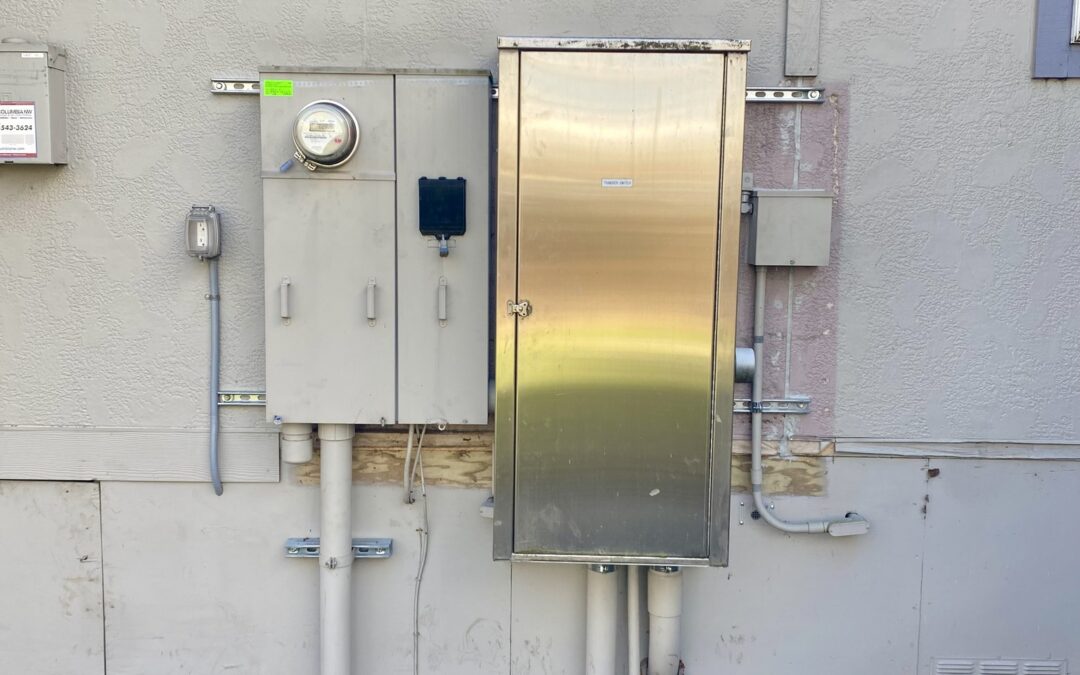
Your electrical panel is a metal box that serves as the central hub for your home’s entire electrical system. Power from the utility company enters this panel and gets distributed through individual circuits to every room and appliance in your house.
Inside the panel, you’ll find circuit breakers that control each circuit. These breakers automatically shut off power when they detect problems like overloads or short circuits. The panel also contains a main disconnect switch that can turn off all electricity to your home at once.
The panel’s capacity is measured in amps. Most older homes have 60 to 100-amp panels, while modern homes typically need 150 to 200-amp panels. Your panel determines how much electricity you can safely use at one time across all your circuits and devices.
How upgrades improve safety and reliability
Upgrading your electrical panel makes your home safer by replacing outdated components that can fail or cause fires. Older panels often have worn connections, corroded parts, or outdated technology that doesn’t protect your home as well as modern equipment.
USFA data shows electrical malfunction accounts for 10% of causes in multiple-fatality residential fires, reinforcing why repeated tripping, heat, or panel arcing shouldn’t be ignored.
A new panel provides better circuit protection. Modern breakers respond faster to electrical problems and shut off power before damage occurs. This prevents electrical fires, protects your appliances, and reduces the risk of electrical shock.
The upgrade doesn’t increase your electric bill because the panel itself doesn’t use electricity. It simply allows you to use power more efficiently and safely. You’ll also experience fewer power outages inside your home since new panels handle electrical loads better than aging equipment.
Modern electrical demands versus older panels
Your home likely uses much more electricity now than it did 20 or 30 years ago. Air conditioning systems, electric vehicle chargers, home offices, and smart home devices all demand significant power.
Older panels weren’t designed for these modern loads. A 60-amp panel might have been fine in the 1960s, but it can’t safely power today’s homes. When you push an old panel beyond its capacity, breakers trip frequently and you can’t run multiple appliances at the same time.
Electric vehicle chargers alone can require 40 to 50 amps of dedicated power. Large appliances like electric dryers, water heaters, and ranges each need their own high-amp circuits. Without enough capacity, you’ll face constant electrical problems and potential safety hazards.
The U.S. Department of Energy notes Level 2 EV charging typically uses 208/240V power and can require a dedicated 20–80 amp circuit, which is why many Hillsboro homeowners upgrade panel capacity before adding an EV charger.
Compliance with Hillsboro electrical codes
Hillsboro follows the National Electrical Code with local amendments that set minimum standards for electrical systems. When you upgrade major appliances or make significant home improvements, your electrical panel must meet current code requirements.
Building permits for renovations often trigger panel upgrade requirements. If your existing panel doesn’t have enough capacity or uses outdated technology, you’ll need to upgrade it before the city approves other electrical work. This ensures your entire system meets safety standards.
In Oregon, a service or panel change is permitted work—Oregon Building Codes Division materials list ‘services or feeders … 200 amps or less’ and include inspections tied to service change/new panel/reconnect.
Code compliance also matters for home sales and insurance. Many insurance companies charge higher rates or deny coverage for homes with outdated electrical panels. An upgraded panel that meets current codes protects your investment and makes your home easier to sell.
Differences between standard and upgraded panels
Standard older panels typically offer 60 to 100 amps of capacity with 8 to 16 circuit breaker slots. These panels use technology from decades ago and often lack modern safety features like arc fault and ground fault protection.
Upgraded panels provide 150 to 200 amps of capacity with 30 to 40 breaker slots. This gives you room for current needs and future expansion. The panel works with your existing wiring in most cases while making the entire system safer.
Key differences include:
- Capacity: Upgraded panels handle 50-100% more electrical load
- Circuit spaces: Modern panels offer twice as many breaker slots for new circuits
- Safety features: New panels include advanced protection against electrical fires and shocks
- Build quality: Upgraded panels use better materials that resist corrosion and wear
- Expansion potential: Modern panels accommodate future needs like solar panels or EV chargers
The physical upgrade typically costs between $2,000 and $4,000 depending on panel size and installation complexity. This investment covers the panel itself, labor charges, and any necessary electrical work to connect the new equipment properly.
Common signs your home needs an electrical panel upgrade
Your electrical panel shows clear warning signs when it can’t keep up with your home’s power demands. Recognizing these indicators early helps you avoid safety hazards and electrical failures.
Frequent circuit breaker trips
Circuit breakers trip when they detect too much electrical current flowing through a circuit. If your breakers trip once or twice a year, that’s normal. But if you’re resetting breakers weekly or even monthly, your panel is telling you something important.
Older panels weren’t designed for modern electrical loads. When you plug in multiple devices or run high-power appliances, the breakers can’t handle the demand. This forces them to shut off repeatedly to prevent overheating and fires.
Common causes of frequent trips include:
- Overloaded circuits from too many devices
- Outdated panels with insufficient amperage
- Worn-out breakers that no longer function properly
- Circuits shared between major appliances
You shouldn’t have to unplug one appliance to use another. That’s a sign your panel needs more circuits or higher capacity.
Flickering or dimming lights
Lights that flicker or dim when you turn on appliances indicate your electrical system is struggling. This happens when large appliances draw power and cause voltage drops throughout your home.
Your refrigerator, air conditioner, or washing machine shouldn’t make your lights dim. When they do, it means these appliances are pulling more power than your panel can easily distribute. The electrical system compensates by reducing power to other circuits temporarily.
If you notice lights dimming in one room when you use an appliance in another room, your circuits are likely overloaded. This problem gets worse over time as you add more devices to your home.
Buzzing sounds or unusual odors near the panel
A properly functioning electrical panel operates silently. Any buzzing, crackling, or humming sounds coming from your panel box signal a serious problem that needs immediate attention.
These sounds often mean loose connections, failing breakers, or electrical arcing inside the panel. Arcing creates heat and can start fires within your walls.
Burning smells or a hot panel box are emergency warning signs. The odor comes from melting wire insulation or overheating components. If you smell burning plastic or see discoloration around your panel, call an electrician right away and avoid using high-power appliances.
Never ignore these warning signs. They indicate dangerous conditions that put your home and family at risk.
Outdated panel with limited circuit capacity
Homes built before 1990 often have 60 to 100-amp panels. Modern homes need at least 200 amps to safely power today’s electronics, appliances, and HVAC systems.
Signs your panel is outdated:
- Fuse box instead of circuit breakers
- Fewer than 20 circuit breaker slots
- Panel rated below 100 amps
- Brands like Federal Pacific or Zinsco (known for safety issues)
Limited circuit capacity means you don’t have enough individual circuits for your home’s needs. You end up plugging multiple devices into the same circuit, which creates overload conditions. Modern electrical codes require dedicated circuits for major appliances, but older panels can’t provide them.
Fuse boxes are particularly outdated. Homeowners often install wrong-sized fuses or use pennies as replacements, creating serious fire hazards.
Adding new appliances or remodeling projects
Planning a kitchen remodel, adding a home office, or installing new appliances often requires a panel upgrade. These projects increase your home’s electrical demand beyond what your current system can handle.
Electric vehicle chargers need dedicated 240-volt circuits with 40 to 50 amps. Hot tubs require similar power levels. Your existing panel might not have the capacity or available circuit slots for these additions.
Central air conditioning systems, electric ranges, and tankless water heaters all demand significant power. Adding even one of these appliances can push an older panel past its safe limits. Your electrician will calculate your total electrical load to determine if your panel can support new equipment.
Building codes require adequate electrical capacity for renovations. An inspector might flag your outdated panel during the permit process, requiring an upgrade before you can complete your project.
Causes of electrical panel issues requiring an upgrade
Electrical panels develop problems for several specific reasons that make upgrades necessary. These issues range from normal aging to physical damage and increased power demands that exceed your system’s original design.
Age and wear of components
Electrical panels typically last 25 to 40 years before their components start breaking down. The circuit breakers inside your panel weaken over time and may not trip properly when they should. This means they might fail to protect your home from electrical overloads.
The bus bars that distribute electricity can become loose or corroded after decades of use. Connections between wires and breakers also loosen as they expand and contract from heat cycles. These worn connections create resistance that generates dangerous heat.
If your panel was installed before the 1990s, it likely contains outdated technology that doesn’t meet current safety standards. Older panels also lack the ground fault protection features that modern panels include.
Overloaded circuits from modern appliances
Today’s homes use far more electricity than homes did 20 or 30 years ago. Your refrigerator, HVAC system, computers, televisions, and kitchen appliances all draw significant power.
When you add electric vehicle chargers, home offices, or high-efficiency heat pumps, your existing panel may not have enough capacity. Most older homes have 100-amp or 150-amp panels, but modern homes often need 200-amp service to handle current demands.
Running too many devices on circuits designed for lighter loads forces your breakers to trip frequently. This constant overload stresses your entire electrical system and creates fire risks.
Improper prior installations
Some electrical panels were installed incorrectly from the start or modified improperly during renovations. You might find double-tapped breakers where two wires connect to a single breaker not designed for that purpose.
Undersized breakers for the wire gauge create safety hazards because they won’t trip at the right amperage. Missing knockout seals leave openings where rodents can enter or where sparks could escape. Aluminum wiring connected directly to breakers designed only for copper can overheat at the connection points.
Previous homeowners or unlicensed workers sometimes add circuits without proper planning. These mistakes violate electrical codes and put your home at risk.
Corrosion, water, or rodent damage
Water exposure from leaks, flooding, or high humidity causes rust and corrosion inside your panel. This corrosion prevents proper electrical contact and creates resistance that generates heat. You can often spot corrosion as orange or green discoloration on connections and bus bars.
Rodents chew through wire insulation to reach the copper inside. These exposed wires can short circuit or arc inside your panel. Rodent nests and droppings also create fire hazards and block proper ventilation.
Panels installed in basements, crawl spaces, or exterior walls face higher moisture exposure. Once water damage occurs, the entire panel typically needs replacement rather than repair.
Insufficient capacity for current electrical needs
Your panel’s amperage rating determines how much total power it can handle at once. A 100-amp panel provides 24,000 watts of capacity, which isn’t enough for homes with central air conditioning, electric heating, and multiple major appliances running simultaneously.
Each circuit in your panel has its own amperage limit based on the breaker size and wire gauge. When you run out of available circuit slots, you can’t safely add new circuits for renovations or new equipment.
Your main breaker size also limits what new electrical services you can install. Electric car chargers typically need dedicated 40 to 50-amp circuits. Installing one on an already-loaded 100-amp panel leaves no capacity for other needs.
How professional residential panel upgrades are performed
A professional home electrical panel replacement follows a strict process to ensure safety and code compliance. Licensed electricians assess your current system, select appropriate equipment, safely remove old components, install new panels, and verify everything works correctly.
Initial inspection and load assessment
An electrician starts by examining your current breaker panel and measuring your home’s electrical load capacity. They check how much power your home uses and compare it to what your existing panel can handle. The electrician looks at all the circuits in your house and records which appliances and systems connect to each breaker.
During this inspection, they identify any safety issues like outdated wiring, corrosion, or overloaded circuits. They measure the amperage your home needs based on your appliances, HVAC system, and other electrical demands. Most older homes have 60 to 100-amp panels, while modern homes typically need 150 to 200 amps.
The electrician also checks local building codes to determine what permits you’ll need. They document everything they find to create an upgrade plan that matches your home’s requirements.
Planning and selecting the proper panel
Based on the inspection results, the electrician designs a plan for your circuit breaker upgrade. They calculate the total electrical load your home needs now and account for any future additions you might want. This helps them choose a panel with enough capacity without paying for more than you need.
The professional selects a panel that meets current electrical codes and safety standards. They consider factors like the number of circuits you need, whether you want a main breaker or main lug panel, and if you need space for special circuits like electric vehicle chargers or solar panels.
They also coordinate with your utility company to schedule a power shutoff if needed. The electrician orders all necessary parts including the new panel, breakers, wiring, and mounting hardware. They obtain required permits from your local building department before starting work.
Safe disconnection and removal of old panel
The electrician contacts your utility company to disconnect power at the meter. This ensures no electricity flows to your home during the breaker panel upgrade. They verify the power is off using specialized testing equipment before touching any wires.
Once power is confirmed off, they carefully disconnect all circuits from the old panel. Each wire gets labeled so they know exactly where it reconnects in the new system. The electrician removes the old panel from the wall and inspects the condition of existing wiring.
If they find damaged or outdated wiring, they replace those sections to meet current code requirements. They prepare the mounting area for the new panel and may need to update the service entrance cable or grounding system.
Installation of the upgraded panel
The electrician mounts the new panel securely to the wall following manufacturer specifications and local codes. They connect the main service wires from the meter to the panel’s main breaker or lugs. All connections get tightened to proper torque specifications to prevent loose connections that could cause fires.
They install individual circuit breakers in the panel based on the load requirements of each circuit. Each wire gets connected to its designated breaker, following the labels they created during removal. The electrician ensures proper wire sizing matches each breaker’s amperage rating.
They install the neutral and ground bars correctly and connect all neutral and ground wires to their appropriate locations. The panel’s door gets attached with a circuit directory that clearly labels what each breaker controls.
Testing circuits and ensuring code compliance
After installation, the utility company restores power to your meter. The electrician tests the main breaker to confirm it receives the correct voltage. They check each individual circuit to verify proper voltage, polarity, and grounding.
The professional tests every outlet, switch, and appliance connection in your home. They ensure all circuits work correctly and safely without any shorts or ground faults. They use specialized equipment to measure voltage drops and verify your system delivers consistent power throughout your home.
A building inspector reviews the completed work to ensure it meets all local electrical codes. The inspector checks the panel installation, wire connections, grounding system, and proper breaker sizing. Once approved, you receive documentation showing your home electrical panel replacement meets all safety standards and legal requirements.
Benefits of upgrading your home electrical panel
Upgrading your electrical panel strengthens your home’s ability to handle modern power demands while protecting your property and family from electrical hazards. An upgraded panel provides more capacity, better safety features, and reliable performance for years to come.
Enhanced electrical safety and fire prevention
An outdated electrical panel creates serious safety risks in your home. Older panels often lack modern safety features like arc fault circuit interrupters (AFCIs) and ground fault circuit interrupters (GFCIs). These devices detect dangerous electrical problems and shut off power before fires or shocks occur.
Many homes still have panels from the 1960s or 1970s that use outdated technology. Some older panels have known defects that increase fire risk. Federal Pacific Electric and Zinsco panels, for example, have documented safety issues and should be replaced immediately.
A new panel eliminates these hazards by using current safety standards and proper circuit protection. Modern breakers respond faster to overloads and short circuits. This quick response prevents wires from overheating and starting fires inside your walls.
Increased capacity for modern appliances
Your home’s electrical needs have grown significantly over the past few decades. Most older homes have 60 to 100-amp panels that cannot support today’s power requirements.
Modern appliances that demand more power:
- Electric vehicle chargers (30-50 amps)
- Central air conditioning systems (15-60 amps)
- Electric ranges and ovens (40-50 amps)
- Home offices with multiple computers and equipment
- Smart home devices and charging stations
Upgrading to a 200-amp panel gives your home the capacity to run all these devices simultaneously without problems. You won’t need to unplug one appliance to use another. Your family can use power freely throughout the day without worry.
This extra capacity also prepares your home for future needs. If you plan to add a hot tub, workshop equipment, or additional HVAC zones, your upgraded panel will already have the power available.
Reduced risk of outages and overloads
Frequent breaker trips signal that your panel cannot handle your home’s electrical load. This happens when you try to draw more power than your system can safely provide.
An undersized panel forces your circuits to work at maximum capacity constantly. This stress causes breakers to trip, lights to dim, and appliances to underperform. You might notice lights flickering when the air conditioner starts or circuits tripping when you run multiple appliances.
A properly sized panel distributes power evenly across dedicated circuits. Each major appliance gets its own circuit with adequate capacity. This separation prevents one device from affecting others and eliminates nuisance tripping.
Your electrical system runs more smoothly with fewer interruptions. You won’t lose food in the refrigerator due to tripped breakers or lose work on your computer from sudden power loss.
Long-term durability and reliability
Electrical panels are built to last 25 to 40 years under normal conditions. After this period, components wear out and connections loosen. Worn breakers may not trip when needed or may trip unnecessarily.
A new panel uses fresh components designed with modern materials and manufacturing standards. The breakers fit tightly and make solid electrical connections. The bus bars that distribute power are properly rated and securely mounted.
Quality panels from reputable manufacturers come with warranties covering defects and failures. This protection gives you recourse if problems develop. The panel’s internal components resist corrosion and maintain proper contact over time.
Proper installation by a licensed electrician ensures your panel performs correctly from day one. The electrician will size wires correctly, make tight connections, and label circuits clearly for future maintenance.
Peace of mind for homeowners
Knowing your electrical system is safe and adequate removes a significant source of worry. You don’t need to wonder if your panel can handle your needs or if it poses a danger to your family.
An upgraded panel passes home inspections without issues. This matters when you decide to sell your property. Buyers and their inspectors look closely at electrical systems. A modern, code-compliant panel increases buyer confidence and property value.
You gain flexibility to make home improvements without electrical limitations. Want to finish your basement or add a home gym? Your upgraded panel has the capacity to support new circuits for these projects.
Insurance companies may offer lower premiums for homes with updated electrical systems. Some insurers refuse to cover homes with certain outdated panel types. An upgrade can resolve these insurance obstacles while reducing your risk exposure.
Emergency situations that require immediate attention
Some electrical panel problems can wait for a scheduled appointment, but others demand immediate professional help. Burning smells, frequent breaker trips under light loads, water exposure, total power loss, and visible fire hazards all require emergency response to protect your home and family.
Smoke, burning smells, or sparks from the panel
If you see smoke coming from your electrical panel or notice a burning smell near it, you need to call an emergency electrician right away. These signs mean dangerous overheating is happening inside the panel, which can quickly turn into an electrical fire.
Sparks from the panel are equally serious. They indicate loose connections, short circuits, or damaged components that could ignite nearby materials.
Do not try to investigate or fix the problem yourself. Turn off the main breaker if you can do so safely, evacuate your home, and call a professional. Scorch marks or discoloration on or around the panel also signal overheating that needs immediate attention.
Breakers tripping under minimal load
Breakers are designed to trip when circuits become overloaded. However, if your breakers trip frequently even when you’re using very little power, this signals a serious problem with your electrical panel.
A breaker that trips with just one or two appliances running may indicate worn components, loose wiring, or an undersized panel that can’t handle your home’s electrical needs. This creates a fire risk because the panel isn’t properly protecting your circuits.
You might also notice the panel feels warm to the touch even without direct sunlight exposure. This warmth combined with frequent trips means your panel is working too hard and failing to distribute power safely.
Water damage affecting panel integrity
Water and electricity create an extremely dangerous combination. If your electrical panel has been exposed to flooding, roof leaks, or pipe bursts, you need emergency service before using your electrical system again.
Water causes corrosion inside the panel and creates paths for electricity to arc or short circuit. Even if your power seems to work normally after water exposure, hidden damage can cause electrocution or fires.
Never open a wet electrical panel or try to dry it yourself. Keep everyone away from the panel area and contact an emergency electrician. They have the proper equipment and training to safely assess and repair water-damaged electrical systems.
Complete panel failure
A total loss of power throughout your home may indicate complete panel failure. While the problem could be with your utility company, panel failure is a genuine emergency that requires immediate diagnosis.
Signs of panel failure include a completely dead panel with no breakers working, unusual noises from the panel before power loss, or visible damage to the main breaker or panel components. The main breaker itself may have failed, preventing all electricity from entering your home’s circuits.
You can check if your neighbors have power to determine if the issue is isolated to your home. If they have electricity and you don’t, your panel likely needs emergency replacement or repair.
Immediate fire or safety risk
Any situation where your electrical panel poses an active fire threat or safety hazard requires the fastest response possible. This includes visible flames, extreme heat radiating from the panel, or exposed live wiring inside or around the panel box.
If you see flames, call 911 first, then evacuate. Don’t attempt to fight an electrical fire with water. Once the fire department secures the scene, you’ll need an emergency electrician to assess the damage and restore safe power to your home.
Exposed wiring near the panel creates electrocution risks, especially in homes with children or pets. Damaged panel doors that won’t close properly or missing breakers that leave openings in the panel also create immediate safety concerns that need emergency attention.
Tips for maintaining your upgraded electrical panel
After investing in a new electrical panel, proper maintenance protects your home and keeps the system running safely. Regular care prevents problems and extends the life of your electrical system.
Schedule regular electrical inspections
You should have a licensed electrician inspect your upgraded panel every three to five years. These electrical safety inspections catch potential issues before they become dangerous problems.
During an inspection, the electrician checks for loose connections, signs of overheating, and worn components. They also test your breakers to make sure they trip correctly when needed. Heat buildup and corrosion can develop over time without visible signs from the outside.
If you notice any unusual signs between inspections, call an electrician right away. Flickering lights, burning smells, or breakers that trip frequently mean something needs attention. Don’t wait for your next scheduled inspection if you suspect a problem.
Avoid overloading circuits
Your upgraded panel has more capacity than your old one, but you still need to distribute electrical loads properly. Plugging too many devices into one circuit creates heat and can damage your system.
Each circuit has a maximum amperage limit. Running several high-wattage appliances on the same circuit pushes it beyond safe levels. Space heaters, air conditioners, and kitchen appliances draw significant power and work best on dedicated circuits.
Pay attention to which outlets share circuits in your home. If a breaker trips when you run certain appliances together, spread those devices across different outlets. This simple step prevents unnecessary strain on your electrical panel and reduces fire risk.
Keep the panel area dry and accessible
Your electrical panel needs at least three feet of clear space in front of it at all times. This clearance lets you access breakers quickly during emergencies and gives electricians room to work safely.
Never store items against or near your panel box. Boxes, furniture, and household items create hazards and violate electrical codes. Keep the area clean and free from dust buildup, which can affect connections over time.
Moisture damages electrical components and creates serious safety risks. Check for water leaks, condensation, or humidity around your panel regularly. If your panel is in a basement or garage, use a dehumidifier to control moisture levels. Install a protective cover if the panel is in an area exposed to potential water sources.
Replace outdated breakers promptly
Breakers wear out from regular use and need replacement over time. A breaker that trips frequently might be failing rather than protecting your circuit properly.
Watch for these signs that indicate a breaker needs replacement: it won’t reset after tripping, feels hot to the touch, or has visible burn marks. Some breakers also make buzzing or clicking sounds when they’re failing. Breakers typically last 30 to 40 years, but problems can develop sooner depending on usage.
Only use breakers that match your panel’s specifications. Different manufacturers make breakers for specific panel models. Installing the wrong type creates safety hazards and might void your warranty. Always hire a qualified electrician to replace breakers since working inside your panel is dangerous without proper training.
Professional maintenance for long-term safety
Licensed electricians have the tools and knowledge to maintain your panel safely. They can tighten connections, clean internal components, and identify problems you can’t see from outside the panel.
Schedule professional maintenance when you notice changes in your electrical system’s performance. Annual check-ups make sense for older homes or if you’ve added major appliances. Your electrician can also verify that your upgraded panel still meets your household’s power needs as they change.
Professional maintenance includes thermal scanning to detect hot spots that indicate loose connections or overloaded circuits. Electricians also check your grounding system and verify that all safety features work correctly. This preventive care costs less than emergency repairs and protects your home from electrical fires.
Conclusion
Your electrical panel controls how electricity flows through your home. When you upgrade it, you make your home safer and more capable of handling modern power needs.
An upgrade typically costs between $2,000 and $4,000. This includes the new panel, labor, and any extra electrical work needed. The investment pays off through better safety, more capacity, and increased home value.
You should upgrade if your panel is over 25 years old, shows visible damage, or can’t handle your power needs. Signs like flickering lights, burning smells, or warm outlets mean you need to act quickly.
A licensed electrician should handle the installation. They will ensure your new panel meets current electrical codes and safety standards. The work usually takes one to two days to complete.
Your upgraded panel prepares your home for future technology. You’ll have the capacity for heat pumps, electric vehicle chargers, and other energy-efficient systems. The electrical system will meet your needs for years to come.
Getting an electrical panel upgrade is a smart decision for your home’s safety and functionality. You’re making a lasting improvement that protects your family and property.
Schedule an electrical safety inspection with Peak Electric Group to verify your home’s electrical load capacity and get an estimate for a code-compliant breaker panel upgrade before recurring trips, flicker, or heat at the panel becomes a fire risk.
Recent Comments