
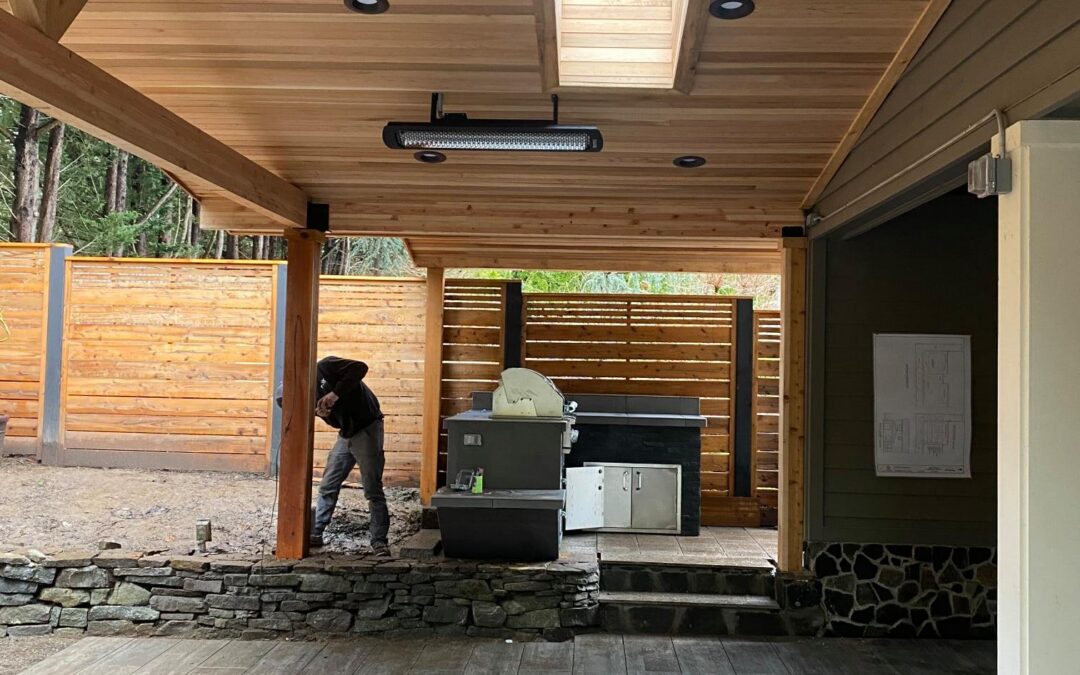
Good lighting can change how your home looks and feels while keeping your space safe and functional. Lighting installation services help homeowners and businesses upgrade fixtures, improve energy efficiency, and create the right atmosphere in any room. Whether you need new ceiling lights in your kitchen or outdoor lighting for better security, professional installers handle the technical work safely and correctly.
Many people try to install lights themselves but run into problems with wiring, placement, or choosing the wrong fixtures. Professional lighting services take the guesswork out of the process. They make sure your lights work properly and meet local electrical codes.
This guide will walk you through everything you need to know about lighting installation services. You’ll learn what these services include, why hiring a professional matters, and how to keep your lighting system working well for years to come.
Here’s what you’ll find below:
- Lighting installation services: Improve safety, style, and efficiency
- What are lighting installation services
- Why you need professional lighting installation
- Common lighting installation services offered
- How professional lighting installation works
- Benefits of hiring a professional for lighting installation
- Tips for maintaining your lighting system
- Why choose Peak Electric Group for lighting installation services
Keep reading to learn how lighting installation services support safer wiring, better performance, and smarter upgrades across residential lighting installation and commercial lighting installation projects.
Lighting installation services: Improve safety, style, and efficiency
Professional lighting installation services bring three major benefits to your home or business. You get better safety, improved style, and lower energy costs all at once.
Safety improvements start with proper electrical work. Licensed electricians install fixtures correctly and reduce fire risks. They also make sure your spaces have enough light to prevent trips and falls.
Interior and exterior lighting installation affects home safety, especially on stairs and at night; according to the CDC’s home fall-prevention checklist, improving lighting and adding accessible light switches at the top and bottom of stairs are recommended home-safety actions.
Good lighting changes how your rooms look and feel. You can highlight artwork or architectural features you want to show off. Professional installers help you pick fixtures that match your design goals and create the right mood for each space.
Energy efficiency saves you money over time. Modern LED fixtures use less electricity than old bulbs. Professional installers can recommend the best energy-saving options for your needs.
Upgrading fixtures as part of a LED lighting upgrade can materially cut energy use and replacement frequency; according to the U.S. Department of Energy (DOE), residential LEDs use at least 75% less energy and can last up to 25 times longer than incandescent lighting.
Here’s what professional installation typically includes:
- Initial consultation to understand your goals
- Custom lighting design for your space
- Safe installation of all fixtures and wiring
- Testing to ensure everything works properly
- Guidance on maintenance and operation
You also get long-term value from professional work. Correctly installed lights last longer and perform better. Licensed electricians follow building codes and safety standards that protect your property.
Whether you need indoor or outdoor lighting, professional services handle the technical details. You avoid the risks of DIY electrical work and get results that look polished and work reliably.
What are lighting installation services
Lighting installation services involve professional electricians installing, upgrading, or replacing light fixtures in homes and businesses. These services cover everything from basic bulb replacements to complete lighting system overhauls, ensuring proper functionality and safety compliance.
Definition and scope of professional lighting installation
Professional lighting installation services include the complete process of adding or upgrading light fixtures in any building. Licensed electricians handle consultation, fixture selection, wiring, mounting, and testing to ensure your lighting works correctly.
These services start with assessing your space and electrical system. The electrician checks existing wiring, determines power requirements, and identifies the best locations for new fixtures. They handle all electrical connections and ensure compliance with local building codes.
The scope extends beyond simply hanging lights. Electricians install dimmer switches, timers, and smart lighting controls when needed. They also remove old fixtures safely and dispose of them properly, protecting you from electrical hazards during the process.
Types of lighting systems installed: LED, recessed, pendant, outdoor
LED lighting represents the most popular modern choice for both residential and commercial spaces. These energy-efficient systems last longer than traditional bulbs and reduce electricity costs significantly. Electricians install LED downlights, strip lights, and panel lights throughout homes and offices.
Recessed lighting fits into ceiling cavities, creating a clean, streamlined appearance. These fixtures work well in kitchens, bathrooms, and living areas where you want light without visible hardware. Installation requires cutting ceiling openings and connecting wiring above the ceiling line.
Pendant lights hang from the ceiling on chains, cords, or rods. You’ll find these over kitchen islands, dining tables, and in entryways. They provide focused task lighting while adding decorative appeal to your space.
Outdoor lighting includes garden lights, security lights, pathway lighting, and exterior wall fixtures. These systems require weatherproof fixtures and proper sealing to prevent water damage. Electricians install motion sensors and timers to enhance security and convenience.
Differences between residential and commercial installations
Residential lighting installation focuses on comfort, aesthetics, and functionality in homes. Projects typically include ambient lighting for general illumination, task lighting for specific activities, and accent lighting to highlight architectural features. The electrical requirements are usually simpler, with standard 120-volt circuits handling most fixtures.
Commercial lighting installation addresses larger spaces with higher power demands. Businesses need brighter lighting levels to meet workplace safety standards and building codes. These projects often involve three-phase power systems and require more extensive planning for emergency lighting and exit signs.
For commercial lighting installation, LED retrofits can produce measurable whole-building savings beyond the lights themselves; according to the National Renewable Energy Laboratory (NREL), a modeled LED interior-lighting measure showed 37.0% stock interior lighting electricity savings across the U.S. commercial building stock in ComStock.
The scale differs significantly between the two types. Commercial projects may involve installing hundreds of fixtures across multiple floors, while residential jobs typically handle 10-20 fixtures per project. Commercial installations also need more frequent maintenance schedules and replacement planning.
Importance of professional installation for safety and efficiency
Professional electricians understand electrical codes and safety requirements that protect your property. Improper wiring causes electrical fires, shocks, and equipment damage. Licensed professionals carry insurance and guarantee their work meets all regulatory standards.
Correct installation ensures your lights operate at peak efficiency. Poor connections create resistance that wastes electricity and generates heat. Professionals use proper wire gauges, secure all connections, and verify adequate circuit capacity before completing installations.
DIY lighting installation often leads to flickering lights, tripped breakers, and premature fixture failure. Electricians have specialized tools and knowledge to mount fixtures securely and run wiring through walls safely. They also identify potential problems in your existing electrical system before they become serious issues.
Benefits of upgrading or installing new lighting
Upgrading to LED lighting cuts your electricity bills by 75% compared to incandescent bulbs. New fixtures last up to 25 years, eliminating frequent replacement costs. You’ll spend less on maintenance while enjoying better quality light.
Modern lighting improves visibility and comfort in your space. Proper illumination reduces eye strain and creates better working conditions. You can add dimming capabilities and color temperature control for different activities throughout the day.
New lighting increases your property value and enhances curb appeal. Updated fixtures make rooms look larger and more attractive to potential buyers. Smart lighting systems add convenience through voice control and automated schedules that adjust to your daily routine.
Why you need professional lighting installation
Professional lighting installation protects your home from electrical hazards while ensuring your lights work correctly for years to come. Expert installers bring the technical knowledge and experience needed to handle complex wiring, follow local codes, and create lighting designs that improve both safety and appearance.
Ensures safe electrical connections and code compliance
Electrical work involves serious risks if not done correctly. A licensed electrician understands how to safely connect wiring, install junction boxes, and ground fixtures properly to prevent electric shocks and fires.
Your local building codes set specific requirements for lighting installations. These rules cover everything from wire gauge and circuit capacity to fixture placement in wet areas like bathrooms. Professional installers stay current with these regulations and pull the necessary permits for your project.
When you hire a professional, you get work that passes inspection the first time. This matters because improper installations can lead to insurance problems if something goes wrong. Licensed electricians also carry liability insurance to protect you if accidents happen during the job.
Prevents damage to fixtures or wiring
Installing light fixtures requires more than just connecting a few wires. You need to secure mounting brackets correctly, ensure proper weight support, and avoid damaging delicate fixture components during installation.
DIY installations often result in stripped screws, cracked fixture bases, or pinched wires inside electrical boxes. These mistakes can cause flickering lights or complete fixture failure shortly after installation. Professionals have the right tools and techniques to handle fixtures carefully while making secure connections.
Your existing wiring also needs protection during installation. Experienced electricians know how to work with old wiring without damaging insulation or creating loose connections. They can identify when your current wiring can’t safely support new fixtures and needs upgrading.
Optimizes lighting placement for functionality and aesthetics
The location of your light fixtures affects how well you can see and how your space looks. Professionals understand lighting design principles like spacing, height, and beam angles to create balanced illumination throughout your rooms.
Task lighting in kitchens requires different placement than ambient lighting in living rooms. An experienced installer evaluates your specific needs and recommends fixture positions that eliminate dark corners and shadows in work areas.
Key placement considerations include:
- Distance from walls and ceiling height for recessed lights
- Spacing between fixtures to avoid dark spots
- Alignment with furniture and architectural features
- Switch locations for convenient control
Good lighting design also highlights your home’s best features. Professionals can suggest accent lighting for artwork or architectural details you want to showcase.
Energy efficiency and cost savings
Professional installers help you choose fixtures and bulbs that reduce your electricity bills. They understand which LED options provide the best light quality while using minimal power for your specific applications.
Proper installation prevents energy waste from loose connections or incorrect dimmer switches. When fixtures aren’t installed correctly, they can draw more power than necessary or require frequent bulb replacements. These small inefficiencies add up to higher costs over time.
Your electrician can also install smart lighting controls and sensors that automatically adjust based on occupancy or time of day. These systems require proper wiring and configuration to work reliably, which professionals handle as part of the installation process.
Enhances property value and comfort
Quality lighting installation improves how your home looks and functions every day. Well-placed fixtures make rooms feel larger, create better task lighting for daily activities, and set the right mood in different spaces.
When you decide to sell your property, buyers notice professionally installed lighting. Updated fixtures with clean wiring and proper placement signal that your home has been well maintained. This attention to detail can help your home sell faster and command a better price.
Professional installation also gives you long-term reliability. Correctly installed fixtures last longer and require less maintenance than DIY installations. You won’t deal with frequent bulb burnouts, flickering lights, or fixtures that come loose from the ceiling.
Common lighting installation services offered
Professional lighting contractors provide a wide range of installation options for both residential and commercial properties. These services cover everything from basic interior fixtures to advanced smart lighting systems and energy-efficient upgrades.
Interior lighting: ceiling, wall, pendant, and chandeliers
Interior lighting installations transform your indoor spaces with proper illumination and visual appeal. Ceiling lights serve as the primary light source in most rooms and come in styles like flush mounts, semi-flush fixtures, and recessed lighting. Wall sconces add ambient lighting and accent specific areas like hallways, bathrooms, and bedrooms.
Pendant lights hang from the ceiling and work well over kitchen islands, dining tables, and entryways. You can choose from single pendants or multi-light arrangements depending on your space and lighting needs.
Chandeliers make a statement in dining rooms, foyers, and living areas. Professional installers handle the assembly, mounting, and electrical connections needed for these often-heavy fixtures. They ensure proper support and height placement, typically maintaining a clearance of 7 feet from the floor in most rooms.
Most interior lighting installations include testing the electrical connections and verifying that all switches and dimmers work correctly. Installers can also replace outdated fixtures with modern alternatives that match your design preferences.
Exterior lighting: landscape, security, and pathway lights
Exterior lighting installations enhance your property’s curb appeal and safety after dark. Landscape lighting highlights architectural features, trees, gardens, and outdoor living spaces using spotlights, uplights, and well lights. These fixtures create depth and visual interest while increasing your home’s value.
Security lighting deters intruders and improves visibility around entry points, driveways, and dark corners of your property. Motion-sensor lights activate when they detect movement, while dusk-to-dawn sensors turn lights on automatically at sunset. Floodlights and wall-mounted fixtures provide bright illumination for maximum security coverage.
Pathway lights guide visitors safely along walkways, steps, and garden paths. Low-voltage options offer energy efficiency and easier installation compared to standard line-voltage systems.
Professional exterior lighting installation includes weatherproof wiring, proper fixture mounting, and strategic placement for optimal coverage. Installers account for local weather conditions and ensure all connections meet outdoor electrical safety standards.
Smart lighting integration
Smart lighting systems give you remote control over your lights through smartphone apps, voice commands, or automated schedules. You can adjust brightness levels, change colors, and create custom lighting scenes for different activities or times of day.
Integration with home automation platforms like Google Home, Amazon Alexa, or Apple HomeKit allows voice-activated control. Smart switches, dimmers, and bulbs connect to your home’s Wi-Fi network for seamless operation.
Professional installers configure your smart lighting devices and ensure they communicate properly with your existing network. They program schedules, set up zones for different areas of your home, and test all features before completing the installation.
Motion sensors and occupancy detectors can trigger lights automatically, reducing energy waste in rooms you’re not using. Geofencing features turn lights on when you arrive home and off when you leave.
LED retrofits and energy-efficient upgrades
LED lighting upgrades reduce your energy consumption by up to 75% compared to traditional incandescent bulbs. These installations involve replacing old fixtures or bulbs with LED alternatives that last 25 times longer and produce less heat.
Retrofit kits allow installers to convert existing recessed cans, troffers, and other fixtures to LED technology without complete replacement. This approach saves money while delivering improved lighting quality and efficiency.
You’ll notice lower electricity bills immediately after switching to LED lights. The initial investment pays for itself through reduced energy costs and fewer bulb replacements over time.
Commercial properties benefit from LED retrofits in warehouses, offices, retail spaces, and parking areas. Installers assess your current lighting setup and recommend the most cost-effective upgrade path based on your usage patterns and budget.
Emergency and specialized lighting solutions
Emergency lighting systems provide illumination during power outages and guide occupants to exits in commercial buildings. Exit signs with battery backup remain lit when the main power fails, meeting building code requirements for safety.
Specialized lighting installations address unique needs like under-cabinet lighting in kitchens, display lighting in retail stores, and task lighting in workshops. These focused solutions improve visibility for specific activities or showcase products and architectural details.
Medical facilities, industrial plants, and laboratories require specialized fixtures that meet strict regulations for brightness, color rendering, and contamination control. Professional installers understand these requirements and select appropriate fixtures for each environment.
Theater and stage lighting involves complex dimming systems, color-changing capabilities, and precise positioning. Track lighting systems offer flexibility for art galleries and retail spaces where you need to adjust fixture positions regularly.
How professional lighting installation works
Professional lighting installation follows a structured process that starts with understanding your needs and ends with fully tested, safe lighting systems. Electricians evaluate your space, handle complex wiring, and ensure every fixture meets safety codes.
Initial consultation and layout planning
Your lighting professional begins by meeting with you to discuss your goals and budget. They ask about the purpose of each room and what type of lighting you want to achieve. This might include task lighting for work areas, ambient lighting for living spaces, or accent lighting to highlight specific features.
The electrician measures your rooms and notes the ceiling height, existing fixtures, and natural light sources. They consider factors like foot traffic patterns and furniture placement when suggesting fixture locations.
Based on this information, they create a lighting plan that shows where each fixture will go. The plan includes specific fixture types like recessed lights, pendant lights, wall sconces, or ceiling lights. You review this layout together and make adjustments before any work begins.
Electrical assessment and wiring inspection
The electrician examines your current electrical system to determine if it can support the new lighting load. They check your circuit breaker panel to see if additional circuits are needed. Older homes may require upgraded wiring to handle modern lighting systems safely.
They inspect existing wiring in walls and ceilings to verify it meets current electrical codes. The electrician tests voltage levels and looks for any signs of wear or damage in the existing infrastructure.
If new wiring is required, they map out the routes cables will take through your walls or ceiling. They identify where new switches, dimmers, or outlets need installation. The electrician also determines if any walls or ceilings need to be opened to access wiring paths.
Safe installation of fixtures and switches
The electrician turns off power at the circuit breaker before starting any work. They install junction boxes where fixtures will mount and run new electrical wire as needed. All wiring connections are made inside approved electrical boxes that protect against fire hazards.
For ceiling fixtures, they secure mounting brackets that can support the weight of the light. Wall sconces require proper anchoring into studs or with specialized hardware for drywall. Each fixture gets assembled according to manufacturer specifications before mounting.
The electrician connects wires using proper techniques and wire nuts or other approved connectors. They install switches and dimmers in convenient locations, making sure all connections are tight and secure. Ground wires are properly attached to prevent electrical shock.
Testing and calibration of lighting systems
Once installation is complete, the electrician restores power and tests each fixture individually. They verify that switches control the correct lights and that dimmers operate smoothly across their full range. Each light is turned on to check for proper brightness and any flickering or buzzing sounds.
The electrician uses a voltage meter to confirm correct power delivery to each fixture. They inspect all connections one final time to ensure nothing came loose during installation.
For smart lighting systems, they program settings and connect fixtures to your home network. They test any automated features like scheduling or motion sensors to verify proper operation.
Final inspection and homeowner guidance
The electrician walks through the completed installation with you, demonstrating how to operate each switch and control. They explain how to change bulbs safely and what type of replacement bulbs to use for each fixture. For dimmable lights, they show you how to adjust settings properly.
They provide information about the warranty on both their work and the fixtures installed. The electrician answers any questions you have about maintenance or troubleshooting.
Many areas require a final electrical inspection by a local building inspector. Your electrician schedules this inspection and addresses any items the inspector notes. You receive documentation showing the work meets all electrical codes and safety standards.
Benefits of hiring a professional for lighting installation
Professional lighting installation protects your home from electrical hazards while ensuring your fixtures work correctly and last longer. You’ll also get better energy efficiency, proper code compliance, and lighting that looks the way you want it to.
Safety and reduced risk of electrical hazards
Electrical work involves serious risks that can harm you or damage your property. When you work with electricity without proper training, you risk electric shock, burns, or even fatal injuries.
Professional electricians know how to handle live wires safely. They understand voltage requirements, circuit loads, and grounding systems. This knowledge prevents dangerous mistakes that lead to electrical fires or equipment damage.
Professionals use proper safety equipment and follow established protocols. They test circuits before and after installation to confirm everything works safely. Licensed electricians also carry insurance that protects you if something goes wrong during installation.
DIY lighting projects often create hidden hazards. Loose connections can spark inside your walls. Overloaded circuits may trip breakers repeatedly or cause fires. Improper grounding leaves you vulnerable to electrical shocks when you touch fixtures or switches.
Proper fixture functionality and longevity
Your lighting fixtures will last longer when installed correctly. Professional electricians secure fixtures properly and make tight electrical connections that won’t loosen over time.
Poor installation causes common problems like flickering lights, buzzing sounds, and premature bulb failure. These issues happen when connections aren’t secure or when fixtures receive inconsistent power. Professionals eliminate these problems by installing everything according to manufacturer specifications.
Experienced electricians know how different fixtures mount and connect. They select appropriate mounting hardware for your ceiling or wall type. They also understand which fixtures work best in specific locations based on moisture levels, temperature, and usage patterns.
Proper installation means your fixtures stay operational for years. You won’t need frequent repairs or replacements. The initial investment in professional installation saves you money on future maintenance costs.
Enhanced aesthetics and lighting performance
Professional installers create lighting designs that match your space and needs. They position fixtures at the right heights and angles to provide proper illumination without glare or dark spots.
Lighting placement affects how your rooms look and function. Professionals understand spacing requirements for recessed lights, optimal heights for pendant fixtures, and proper positioning for task lighting. They balance ambient, task, and accent lighting to create layers that work together.
You’ll get fixtures that complement your home’s style. Electricians can suggest options you might not have considered and explain how different fixtures affect your space. They ensure all visible components align properly and look clean.
Color temperature, brightness levels, and light distribution all impact your daily comfort. Professional installers help you choose the right bulbs and fixtures for each room’s purpose. They also install dimmer switches and controls correctly so you can adjust lighting as needed.
Compliance with local building codes
Every area has specific electrical codes that govern lighting installation. These codes exist to protect you and ensure safe electrical systems throughout your home.
Licensed electricians stay current on local building codes and national electrical standards. They know which wire gauges to use, how many fixtures a circuit can handle, and where GFCI protection is required. This knowledge keeps your installation legal and safe.
Permits are often required for electrical work. Professional electricians handle the permit process and schedule required inspections. When you sell your home, having permitted and code-compliant electrical work adds value and prevents issues during inspections.
Non-compliant installations can void your homeowner’s insurance. If an electrical fire starts from unpermitted DIY work, your insurance may deny your claim. Professional installation gives you documentation that your electrical system meets all requirements.
Energy efficiency and cost savings
Professional installation reduces your energy consumption and monthly utility bills. Electricians position fixtures to maximize light output while using less power.
Professionals recommend energy-efficient LED fixtures and bulbs appropriate for your needs. They understand lumens, wattage equivalents, and how different technologies affect your energy use. They also install fixtures that direct light where you need it instead of wasting it.
Proper wiring prevents energy loss from poor connections. When connections are tight and correctly sized, electricity flows efficiently without resistance that wastes power as heat. This efficiency adds up to meaningful savings over time.
Smart lighting controls and sensors reduce unnecessary energy use. Professional electricians install these systems correctly and program them to work with your schedule and preferences. Motion sensors, timers, and automated controls turn lights off when rooms are empty.
Quality installation means fewer repairs and replacements. You avoid the cost of fixing DIY mistakes or replacing damaged fixtures. The money you save on energy bills and maintenance often exceeds what you paid for professional installation.
Tips for maintaining your lighting system
Taking care of your lighting system keeps it working well and lasting longer. Simple tasks like cleaning fixtures and replacing bulbs on time prevent bigger problems and help you avoid costly repairs.
Regularly clean and check fixtures
Dust and dirt build up on light fixtures over time. This reduces the amount of light they give off and makes your system work less efficiently. You should wipe down fixtures with a soft cloth every month to remove debris.
Turn off the power before cleaning any fixture. Use a damp cloth for glass covers and plastic parts. Check for cracks or damage while you clean.
Look at the fixture mounting to make sure it stays secure. Loose fixtures can create safety issues and put stress on electrical connections. Tighten any screws or brackets that have come loose.
Replace bulbs promptly with correct wattage
When a bulb burns out, replace it as soon as possible. Operating a fixture with missing bulbs puts extra strain on the remaining ones. This can cause them to fail sooner than expected.
Always check the fixture label for the maximum wattage allowed. Using bulbs with higher wattage creates excess heat that can damage the fixture and create fire hazards. Match the bulb type to what the fixture requires, whether that’s incandescent, LED, or fluorescent.
Keep spare bulbs on hand so you can make replacements right away. Store them in a cool, dry place to maintain their quality.
Schedule periodic electrical inspections
Professional inspections catch problems before they become serious. A licensed electrician should check your lighting system every three to five years. They test connections, measure voltage, and look for signs of wear.
Older homes need more frequent inspections. Wiring degrades over time and may not meet current safety codes. An electrician can identify outdated components that need replacement.
Commercial properties require annual inspections due to heavier use. Large buildings with complex lighting systems benefit from maintenance contracts with certified technicians.
Upgrade to energy-efficient options when possible
LED bulbs use up to 75% less energy than traditional incandescent bulbs. They also last much longer, which means fewer replacements and less maintenance. Switching to LEDs reduces your electricity bills and helps your lighting system run cooler.
Install dimmer switches and motion sensors to control when lights turn on and off. These controls prevent unnecessary energy use in empty rooms. Smart lighting systems let you set schedules and adjust brightness from your phone.
Consider upgrading entire fixtures if they’re more than 15 years old. Newer fixtures support modern bulbs and include better heat management. They also provide improved light quality and distribution.
Address flickering or malfunctioning lights immediately
Flickering lights signal electrical problems that need attention. Loose connections, faulty switches, or voltage issues can all cause this problem. Turn off the affected light and check if the bulb needs tightening.
If tightening the bulb doesn’t fix the flicker, the issue likely involves the wiring or switch. Don’t ignore this problem because it can lead to electrical fires. Contact a licensed electrician to diagnose and repair the issue.
Buzzing sounds or burning smells mean you should turn off power to that circuit immediately. These are serious warning signs of electrical faults. Never attempt to fix complex electrical problems yourself.
Why choose Peak Electric Group for lighting installation services
Peak Electric Group brings licensed professionals, custom design capabilities, and a safety-first approach to every lighting project in the Portland, Oregon area. The company serves residential and commercial clients with transparent pricing and a focus on lasting results.
Licensed and experienced electricians
Peak Electric Group employs licensed electricians who handle all types of lighting installations. These professionals work throughout the greater Portland area, including Scappoose, St. Helens, and Columbia County.
The electricians understand local electrical codes and permit requirements. They complete installations safely and correctly the first time. Their experience covers indoor fixtures, outdoor security lighting, LED retrofits, and complex commercial systems.
Each team member follows strict safety protocols on every job. This protects your property and ensures the work meets industry standards.
Customized solutions for homes and businesses
You get lighting designs tailored to your specific needs. The company works on new construction projects, remodels, and upgrades for both homes and commercial buildings.
Residential lighting options include:
- Recessed lighting installation
- Under-cabinet kitchen lighting
- Outdoor walkway and landscape lighting
- Chandelier and ceiling fan installations
- Custom stair lighting
Commercial services cover:
- LED lighting retrofits
- Parking lot and security lighting
- Interior office lighting design
- Warehouse and industrial lighting
The team evaluates your space and recommends solutions that improve function and appearance. They help you choose fixtures that fit your budget and energy goals.
Safe, fast, and professional installation
Your lighting projects move forward on schedule without cutting corners. Peak Electric Group coordinates timing to minimize disruption to your home or business operations.
The electricians arrive with proper tools and equipment. They complete wiring, fixture mounting, and testing efficiently. All work includes proper grounding and surge protection where needed.
Safety remains the top priority on every job site. The team protects your property during installation and cleans up thoroughly when finished.
Transparent pricing and reliable service
You receive clear quotes before work begins. Peak Electric Group provides estimates that outline labor, materials, and any permit costs.
The company maintains consistent communication throughout your project. You know what to expect at each stage. They handle any questions or concerns promptly.
This approach eliminates surprise charges and keeps your project on budget. You can plan confidently knowing the actual costs upfront.
Focus on long-term performance and satisfaction
Peak Electric Group installs lighting systems built to last. They use quality fixtures and proper installation techniques that reduce future maintenance needs.
The company’s reputation depends on customer satisfaction. They stand behind their workmanship and address any issues that arise. Their service area remains focused on the Pacific Northwest, allowing them to maintain long-term relationships with clients.
You benefit from lighting that performs reliably for years. The professional electrician lighting service includes proper setup of dimmers, controls, and smart home integration when requested.
Conclusion
Professional lighting installation services bring real value to your home or business. You get proper placement, safe wiring, and fixtures that work correctly from day one.
Working with trained electricians means your lighting system will last longer. They know how to install each component correctly. This reduces the need for repairs and replacements down the road.
Your lighting affects how you use and enjoy your space every day. Good lighting makes rooms more functional and comfortable. It also improves the look of your property.
Professional installers handle everything from simple fixture replacements to complex lighting systems. They work efficiently and clean up when finished. You can trust that the job is done right.
Whether you need indoor lighting, outdoor landscape lights, or LED upgrades, professional services deliver results you can count on. Your investment in quality installation pays off through better performance and fewer problems over time.
Schedule service with Peak Electric Group for lighting installation services to complete safe, code-compliant interior and exterior lighting installation, verify circuit capacity, and commission fixtures and controls for reliable performance.
Recent Comments