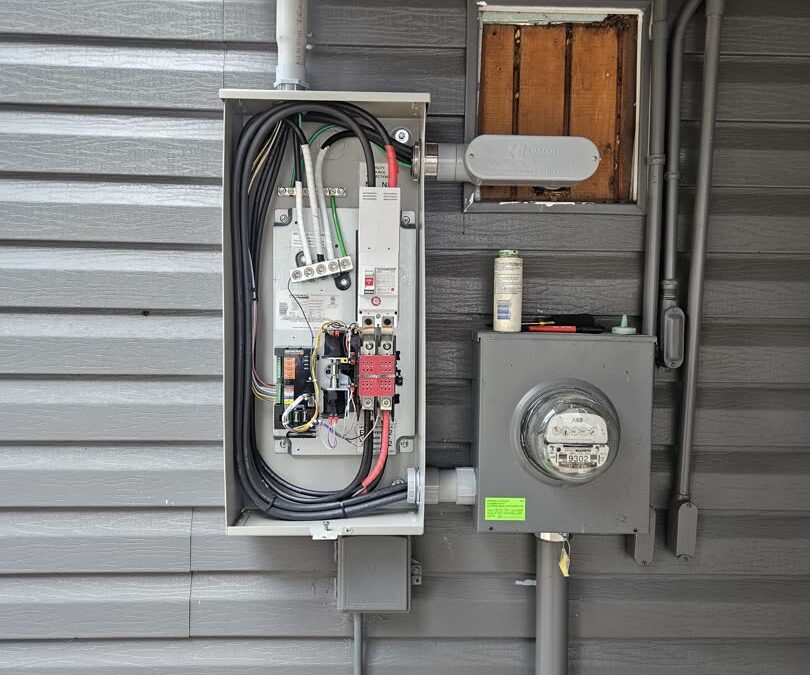
Your home’s breaker panel controls all the electricity flowing through your property. When it stops working properly, you could face power outages, electrical fires, or damage to your appliances. A breaker panel replacement typically costs between $519 and $2,186, with most homeowners paying around $1,342 for a standard upgrade.
Residential electrical fires are a measurable risk when electrical systems fail, which is why warning signs like burning smells, heat at the panel, and recurring breaker trips should be treated as a safety issue—not just an inconvenience, per the U.S. Fire Administration (USFA), which reports 24,200 residential electrical fires in 2021 with 295 deaths, 900 injuries, and over $1.2B in property loss.
Many homeowners don’t think about their breaker panel until something goes wrong. You might notice your circuit breakers tripping often, lights flickering, or a burning smell near your electrical box. These warning signs mean your panel may no longer be safe or strong enough to handle your home’s electrical needs.
This guide will help you understand when you need a new breaker panel and what the replacement process involves. You’ll learn how to spot problems early, what causes panels to fail, and how a professional replacement can make your home safer.
Here’s what you need to know:
- How to know when you need breaker panel replacement in Portland for a safer home
- What is a breaker panel and why is it important?
- Common signs that indicate you need a breaker panel replacement
- Causes of breaker panel failure
- How a professional breaker panel replacement works
- Benefits of upgrading your breaker panel
- Breaker panel replacement for commercial properties
- Emergency situations requiring immediate replacement
- Maintaining Your New Breaker Panel
Keep reading! Whether you own a home or a business in Portland, knowing about breaker panel replacement can protect your property and the people inside it.
How to know when you need breaker panel replacement in Portland for a safer home
Your electrical panel usually needs replacement every 25 to 40 years. If your Portland home was built decades ago and still has the original panel, it might be time for an upgrade.
Watch for these warning signs:
- Breakers trip frequently without clear reason
- Lights flicker or dim when you use appliances
- You see rust, corrosion, or burn marks on the panel
- Your panel has no open slots for new circuits
- You still have an old fuse box instead of circuit breakers
- The panel feels warm to the touch
Your home’s electrical needs have likely grown over time. Modern homes use more power for devices like computers, large appliances, and smart home systems. If you plan to add power-hungry equipment like a hot tub or electric vehicle charger, your current panel might not handle the load safely.
An overcrowded breaker box creates safety risks. When there’s no room to add circuits properly, some homeowners make dangerous workarounds that can cause fires or electrical failures.
Portland’s older homes often have outdated electrical systems that can’t support today’s power demands. Aluminum wiring inside your panel is another red flag that replacement is necessary.
If you’re planning to renovate or expand your home, you should evaluate your panel first. Upgrading now prevents problems later and ensures your electrical system meets current safety codes. A new panel also adds value to your property and gives potential buyers confidence in your home’s safety features.
What is a breaker panel and why is it important?
A breaker panel controls how electricity flows through your home and protects you from dangerous electrical problems. Understanding its basic functions helps you recognize when replacement becomes necessary for safety and code compliance.
The role of a breaker panel in your home’s electrical system
Your breaker panel works as the central control point for all electricity entering your home. Power arrives from your utility company’s main line and flows into this metal box, where it gets divided into separate circuits.
Each circuit connects to a different area or set of outlets in your home. The panel contains individual circuit breakers that control these circuits. When you flip a breaker off, you cut power to that specific circuit without affecting the rest of your house.
The main breaker at the top of the panel controls power to your entire home. This breaker allows you to shut off all electricity at once during emergencies or repairs. Most residential breaker panels are rated for 100, 150, or 200 amps, which determines how much total electrical load your home can handle.
Preventing electrical hazards and fire risks
Circuit breakers automatically shut off power when they detect problems in your electrical system. This happens when a circuit draws too much current or when a short circuit occurs. Without this protection, wires would overheat and potentially start fires.
Older or damaged panels create serious safety risks. Loose connections inside the panel generate heat and can cause arcing. Corroded breakers may fail to trip when they should, leaving your home unprotected.
Some electrical panels have been recalled for thermal burn and fire hazards, and the U.S. Consumer Product Safety Commission (CPSC) notes that Schneider Electric recalled about 1.4 million load centers due to reported overheating issues—supporting why a professional should evaluate panel brand/model and heat damage during an electrical safety inspection.
Some outdated panel brands are known fire hazards. These panels often fail to trip during overload conditions. Replacing these panels removes a major fire risk from your home.
Ensuring consistent power distribution
A properly functioning breaker panel delivers stable electricity to every part of your home. When your panel struggles to meet demand, you might notice lights dimming or flickering. Breakers that trip frequently indicate your panel cannot handle your electrical needs.
Modern homes use more electricity than houses built 30 or 40 years ago. Air conditioners, electric vehicle chargers, and multiple electronics all draw significant power. An undersized or aging panel cannot support these loads safely.
Upgrading to a higher-amperage panel gives you capacity for current and future needs. A 200-amp panel supports most residential requirements, including large appliances and charging equipment.
Compliance with modern electrical codes
Electrical codes change over time to improve safety standards. Panels installed decades ago may not meet current requirements. Code compliance matters for insurance coverage and home sales.
Modern codes require arc-fault circuit interrupters (AFCIs) and ground-fault circuit interrupters (GFCIs) in specific locations. These specialized breakers provide additional protection that older panels cannot accommodate. Many jurisdictions now mandate whole-house surge protection, which requires compatible panel equipment.
When you replace your panel, licensed electricians bring your system up to current code standards. This work must pass inspection to verify proper installation and safety compliance.
Portland requires electrical permits/inspections for many residential electrical projects (including service panel-related work), and the City of Portland emphasizes permitting and scheduling electrical inspections through its residential electrical permit process—supporting why breaker panel replacement should be handled by a licensed electrician with the correct permit path.
Differences between residential and commercial panels
Residential breaker panels handle single-phase power and typically range from 100 to 400 amps. These panels serve homes and small residential buildings. They contain standard breakers rated for 120-volt or 240-volt circuits.
Commercial panels manage three-phase power systems and higher amperage requirements. These installations support office buildings, retail spaces, and industrial facilities. Commercial panels include more complex load management and may require specialized breaker types.
The physical size differs significantly between residential and commercial installations. A standard residential panel measures 14 to 20 inches tall and fits between wall studs. Commercial panels occupy much larger spaces and often require dedicated electrical rooms.
| Panel Type | Typical Amperage | Power Type | Common Location |
| Residential | 100-400 amps | Single-phase | Garage, basement, utility room |
| Commercial | 400-4000+ amps | Three-phase | Electrical rooms, mechanical spaces |
Residential breaker panel replacement follows different procedures than commercial work. Homeowners typically need permits and inspections, but the scope remains manageable for licensed residential electricians.
Common signs that indicate you need a breaker panel replacement
Your breaker panel shows clear warning signs when it’s failing or can’t handle your home’s electrical needs. These signs range from frequent trips and strange sounds to physical damage and outdated equipment that can’t support modern appliances.
Frequent circuit breaker trips
A circuit breaker that trips now and then is doing its job. But if your breakers trip multiple times a week or even daily, something is wrong. This usually means your circuits are overloaded or the breaker itself has worn out.
When breakers trip frequently, they lose their ability to protect your home properly. The internal mechanism weakens over time from constant use. Each trip puts stress on the breaker’s components.
You might notice the same breaker trips repeatedly, or different breakers trip at random. Both patterns signal a problem. The panel may be too small for your electrical needs, or individual breakers may have failed and need replacement.
Flickering or dimming lights
Lights that flicker or dim when you turn on appliances point to voltage problems in your electrical system. This happens when your panel can’t deliver steady power to all your circuits at once.
You’ll notice this most when running large appliances. The lights might dim when your air conditioner kicks on or when you start the microwave. This means your panel is struggling to distribute power evenly across your home.
Flickering lights can also mean loose connections inside the panel. These loose connections create resistance and heat. If you see lights flickering without running appliances, your panel needs immediate inspection.
Buzzing sounds or unusual odors near the panel
Your breaker panel should run silently. Any buzzing, humming, or clicking sounds mean something is loose or failing inside. These sounds come from loose wire connections, worn contacts, or breakers that are about to fail.
A burning smell near your panel is a serious warning sign. This odor means wires or components are overheating. It can signal potential fire hazards that need immediate attention from an electrician.
Never ignore these warning signs. They often appear right before complete failure. The panel may no longer provide reliable protection for your home’s electrical system.
Overloaded circuits from modern appliances
Modern homes use far more electricity than homes built 20 or 30 years ago. You now have multiple computers, phone chargers, large TVs, and smart home devices. Your old panel wasn’t designed for this load.
If you constantly rely on extension cords and power strips, your panel lacks enough circuits. Adding major appliances like electric vehicle chargers or home offices requires more capacity than older panels can provide.
Your panel’s amp rating tells you its capacity. Most modern homes need 200-amp panels to run central air conditioning and other major appliances safely. If your panel is rated at 100 amps or less, it can’t handle today’s electrical demands.
Old or outdated panels with limited capacity
Electrical panels older than 25 years should be replaced. The technology has improved significantly, and old panels may not meet current safety codes. Some panel brands from past decades have been recalled due to safety issues.
Older homes with fuse boxes instead of circuit breakers need immediate upgrades. Fuses don’t provide the same level of protection as modern breakers. They’re also inconvenient and can tempt people to use incorrect fuse sizes.
Visible damage to your panel is another clear sign. Rust, corrosion, or scorch marks mean the panel has deteriorated. Water damage or signs of overheating require immediate replacement to prevent electrical fires.
Causes of breaker panel failure
Breaker panels fail for several specific reasons that compromise their ability to protect your home’s electrical system. Understanding these causes helps you identify when replacement becomes necessary rather than optional.
Age and corrosion of components
Breaker panels typically last 25 to 40 years before their internal components start breaking down. The connections inside your panel weaken over time from repeated heating and cooling cycles that occur during normal use.
Corrosion develops on the metal parts, bus bars, and connection points as moisture in the air reacts with the metal surfaces. This corrosion creates resistance in the electrical connections, which generates excess heat. The heat accelerates wear on the circuit breakers themselves.
Older panels also contain outdated technology that doesn’t meet current electrical codes. Many panels installed before 1990 lack the safety features found in modern units, including arc fault protection and ground fault detection. The metal components become brittle with age, making them more likely to fail without warning.
Overloaded circuits due to increased electrical demand
Modern homes use significantly more electricity than homes built 20 or 30 years ago. Your breaker panel may have been adequate when installed but can’t handle the load from new appliances, electric vehicle chargers, home offices, and entertainment systems.
An undersized panel forces circuits to operate near their maximum capacity constantly. This sustained high load causes the breakers to heat up excessively, which degrades their internal mechanisms. You might notice breakers tripping frequently or feeling warm to the touch.
Older panels typically provide 100 or 150 amps of service. Most modern homes need at least 200 amps to safely power all electrical devices. When your total electrical demand exceeds your panel’s capacity, you’re operating outside safe parameters every day.
Previous improper installations
Faulty installation work creates dangerous conditions that worsen over time. Common installation errors include loose wire connections, incorrectly sized breakers for the wire gauge, and double-tapped circuits where two wires connect to a single breaker not designed for it.
Some panels were installed without proper grounding or with aluminum wiring connections that weren’t treated with anti-oxidant compound. These mistakes cause hot spots in your panel that damage the bus bars and breaker contacts.
Unlicensed work often involves mismatched components or unauthorized modifications to the panel. You might find breakers from different manufacturers mixed together or circuits that bypass safety features. These problems don’t always cause immediate failure but create cumulative damage that leads to panel replacement.
Water or moisture damage
Water intrusion ruins breaker panels through multiple mechanisms. Direct water contact causes immediate corrosion on metal components and can create dangerous short circuits. Even high humidity levels promote rust formation on bus bars and connection points.
Common water entry points include roof leaks above the panel, condensation from temperature differences, and flooding in basements or crawl spaces. Once moisture enters the panel enclosure, it’s difficult to fully dry out all the internal components.
Corroded connections create electrical resistance and arcing. You’ll see visible rust, white or green corrosion deposits, and water staining inside the panel box. Any water damage requires panel replacement because the corrosion continues spreading even after the moisture source is fixed.
Rodent or physical damage
Rodents chew through wire insulation inside panels while building nests, which exposes bare conductors and creates short circuit risks. Mice and squirrels are attracted to the warmth that panels generate and can access the interior through small gaps around conduit entries.
Physical impacts from accidents, construction work, or objects stored against the panel can crack the enclosure or knock components loose. Even minor damage that seems cosmetic can affect the panel’s ability to contain an electrical fault safely.
Insect infestations also cause problems when bugs build nests around connections or their waste products create conductive paths between components. You might find damaged wire insulation, chew marks on plastic components, or nesting material inside the panel box. This type of damage compromises the panel’s safety systems and requires complete replacement.
How a professional breaker panel replacement works
A licensed electrician follows a structured process that includes evaluating your current electrical needs, safely removing the old equipment, installing updated components, and verifying that all circuits function correctly.
Initial inspection and electrical load assessment
The electrician starts by examining your existing panel to identify any safety issues like corrosion, burn marks, or outdated components. They check the amperage rating of your current system and determine whether it meets your household’s power requirements.
Your electrician calculates the total electrical load by reviewing which appliances and systems draw power in your home. This includes major items like air conditioners, electric water heaters, and kitchen appliances. They also count how many circuits you need for current and future use.
Based on this assessment, they recommend the right panel size. Most modern homes need panels rated between 100 and 200 amps. The electrician submits permit applications to your local building department and schedules an inspection to ensure the work meets electrical codes.
Disconnecting old panel safely
The utility company must shut off power at the meter before any work begins. Your electrician cannot safely access the main service wires while electricity flows through them.
Once power is off, the electrician removes the panel cover and photographs the existing wiring configuration. They label each circuit wire to match it with the correct breaker location in the new panel. This step prevents confusion during reinstallation.
The electrician disconnects all branch circuit wires from their breakers first. Then they carefully detach the main service wires that bring power from the meter. They unbolt the old panel from the wall and inspect the condition of the wiring and wall surface behind it.
Installing a new breaker panel
The new panel mounts to the wall in the same location or nearby, depending on code requirements and available space. Your electrician ensures the panel sits level and securely fastened to wall studs.
They connect the main service wires to the new main breaker, following strict torque specifications to prevent loose connections. The neutral and ground wires attach to their designated bus bars inside the panel. These connections form the foundation of your electrical system’s safety.
The electrician installs individual circuit breakers based on the amperage requirements of each circuit. Standard lighting circuits typically use 15-amp breakers, while kitchen outlets need 20-amp breakers. Large appliances like dryers require dedicated 30 or 50-amp breakers.
Each labeled wire gets connected to its corresponding breaker. The electrician organizes the wiring neatly inside the panel to allow proper airflow and future access for circuit breaker replacement if needed.
Testing circuits for proper functionality
After the utility company restores power, the electrician tests each circuit systematically. They use a multimeter to verify that each breaker delivers the correct voltage to its connected outlets and fixtures.
The electrician turns on lights, tests outlets with a circuit tester, and runs appliances to ensure proper operation. They check for any signs of overheating at connection points and verify that ground fault circuit interrupters (GFCIs) and arc fault circuit interrupters (AFCIs) trip correctly when tested.
They also test the main breaker by simulating an overload condition to confirm it disconnects power as designed. The local building inspector performs a final review to verify all work meets current electrical codes before approving the installation.
Recommendations for maintenance and safety
Your electrician provides specific guidance about using your new panel correctly. They explain which circuits control different areas of your home and how to reset breakers when they trip.
You should never ignore a breaker that trips repeatedly, as this signals an overloaded circuit or a potential wiring problem. Contact an electrician to investigate the cause rather than simply resetting it multiple times.
Keep the area around your panel clear of storage items and maintain at least three feet of working space in front of it. This clearance is required by electrical code and provides safe access during emergencies.
Schedule a professional panel inspection every 3-5 years to check for loose connections, signs of overheating, or corrosion. These routine checks catch small problems before they become safety hazards. Never attempt to add circuits or perform circuit breaker replacement yourself unless you have proper training and licensing.
Benefits of upgrading your breaker panel
Upgrading your breaker panel delivers measurable improvements in safety, capacity, and reliability. Modern panels protect your property from electrical hazards while supporting the power demands of today’s appliances and technology.
Enhanced electrical safety and reduced fire risk
Outdated breaker panels create serious safety hazards in your home or business. Panels over 25 years old often lack modern safety features that prevent electrical fires and shocks.
Old panels with worn components can overheat and spark fires in your walls. Federal Pacific Electric and Zener panels from the 1950s-1980s are known fire hazards because their breakers often fail to trip during overloads.
Modern panels include:
- Arc fault circuit interrupters (AFCIs) that detect dangerous electrical arcs
- Ground fault circuit interrupters (GFCIs) that prevent electrocution
- Higher-quality circuit breakers that reliably trip during overloads
- Better heat resistance in all internal components
An electrical panel upgrade eliminates corroded connections and faulty breakers that cause most residential electrical fires. You protect your family, employees, and property by replacing aging equipment with current safety technology.
Increased capacity for modern appliances
Your old 60-amp or 100-amp panel cannot handle the electrical demands of modern life. Today’s homes need 200-amp service to run multiple high-power devices simultaneously.
Electric vehicle chargers alone require 40-50 amps of dedicated capacity. Add in central air conditioning, electric water heaters, smart home systems, and kitchen appliances, and your old panel becomes severely overloaded.
A new 200-amp panel provides enough circuits for:
- EV charging stations
- High-efficiency HVAC systems
- Induction cooktops and double ovens
- Home offices with multiple computers and equipment
- Hot tubs and pool equipment
- Workshop tools and equipment
You can add new appliances without worrying about exceeding your electrical capacity. The upgrade supports your current needs and future additions to your property.
Minimized risk of power outages
Frequent breaker trips and power interruptions signal that your panel cannot meet your electrical load. These outages damage sensitive electronics and disrupt your daily activities.
Older panels trip breakers even during normal use because they lack sufficient capacity. You might lose power when running your air conditioner and oven at the same time.
A properly sized modern panel distributes electrical loads efficiently across multiple circuits. This prevents any single circuit from becoming overloaded during regular use.
You gain:
- Stable power for computers and home entertainment systems
- Protection for expensive electronics from power surges
- Uninterrupted operation of security systems and medical equipment
- Reliable power for home-based businesses
Your lights stop dimming when appliances turn on. Your breakers stay in place instead of constantly tripping.
Compliance with Portland electrical codes
Portland electrical codes require specific safety features in all breaker panels. Your older panel likely violates current code requirements, which creates liability issues.
The National Electrical Code (NEC) updates every three years with new safety standards. Portland adopts these codes and enforces them during inspections and home sales.
An electrical panel upgrade brings your property up to current code standards. This includes proper grounding, adequate circuit capacity, and required safety devices in wet locations.
You need code compliance for:
- Home sale inspections
- Insurance coverage and claims
- Business licensing and renewals
- Building permits for renovations
Insurance companies may deny claims if an outdated panel contributed to electrical damage or fires. Updated panels demonstrate your commitment to maintaining a safe, code-compliant property.
Peace of mind for homeowners and business owners
An aging breaker panel creates constant worry about electrical problems and safety hazards. You question whether your electrical system can handle daily demands safely.
A new panel eliminates uncertainty about your electrical infrastructure. You know your system meets safety standards and has capacity for your needs.
You stop watching for warning signs like burning smells, warm panels, or buzzing sounds. Your electrical system operates quietly and reliably in the background.
Professional installation includes a thorough inspection of your entire electrical system. Electricians identify and fix problems before they become emergencies. You receive documentation showing your panel meets all current safety codes and capacity requirements.
Breaker panel replacement for commercial properties
Commercial properties face unique electrical demands that require specialized attention when replacing breaker panels. The right upgrades protect your business operations, employees, and bottom line while preparing your facility for future growth.
Handling high power demands efficiently
Commercial facilities use significantly more electricity than residential buildings. Your business likely runs heavy machinery, HVAC systems, computers, lighting, and specialized equipment simultaneously throughout the day.
An outdated breaker panel struggles to distribute power effectively across these high-demand systems. This causes voltage drops, flickering lights, and equipment that doesn’t perform at full capacity.
Modern commercial breaker panels are designed to handle amperage ratings from 200 to 600 amps or higher. The specific rating you need depends on your property size and power requirements. A qualified electrician can calculate your actual load to determine the right panel capacity.
Upgrading to a properly sized panel ensures stable power delivery to all circuits. Your equipment operates more reliably, and you avoid the performance issues that come with an overloaded electrical system.
Preventing operational downtime
Every minute your business loses power costs you money. Unreliable electrical panels lead to unexpected shutdowns that stop production, close your doors to customers, and damage your reputation.
Old panels lack the protective features found in newer models. They may fail to trip when circuits overload, or they might trip too frequently without clear cause. Both scenarios disrupt your operations.
Modern commercial breaker panels provide:
- Better circuit protection that responds accurately to electrical problems
- Individual breakers that isolate issues to specific circuits
- Clear labeling systems that help you identify problems quickly
- Durable components that reduce maintenance needs
A new panel installation also gives you the chance to reorganize your circuits. You can separate critical systems onto dedicated circuits, so problems in one area don’t affect essential operations elsewhere.
Reducing risk of costly electrical failures
Electrical failures in commercial settings carry serious financial consequences. A single incident can damage expensive equipment, destroy inventory, or force you to replace entire systems.
Outdated breaker panels increase your risk because they don’t provide adequate protection against power surges, short circuits, and ground faults. The components inside older panels degrade over time, making them less responsive to dangerous conditions.
Arc fault circuit interrupters (AFCIs) and ground fault circuit interrupters (GFCIs) are now standard in modern commercial panels. These safety devices detect dangerous conditions and cut power before damage occurs.
Insurance companies recognize these risks too. Many commercial policies require updated electrical systems to maintain coverage. You might face higher premiums or coverage limitations with an outdated panel.
Supporting future expansion or upgrades
Your business needs change over time. You might add new equipment, expand your space, or upgrade to more advanced technology.
A new commercial breaker panel should include extra slots for future circuits. Standard practice involves installing a panel with 20-30% more capacity than your current needs. This buffer gives you room to grow without another costly panel replacement.
You can also install a larger amperage panel while keeping your existing service cables. A breaker sized to match your current cable rating protects the system while maintaining upgrade potential for later.
Planning ahead saves money. Adding circuits to a new panel costs much less than replacing an undersized panel just a few years after installation.
Ensuring safety for employees and customers
You’re responsible for providing a safe environment for everyone who enters your property. Faulty electrical systems pose serious risks including fires, shocks, and injuries.
Commercial breaker panels act as the first line of defense in your electrical system. They automatically shut off power when they detect overloads or short circuits. This prevents electrical fires and protects people from dangerous conditions.
Older panels may contain outdated components that don’t meet current safety codes. Federal Electric Pacific (FEP) and Zinsco panels, for example, are known for safety issues and should be replaced immediately.
Modern panels comply with the latest National Electrical Code (NEC) requirements. These standards exist specifically to protect building occupants and property. Professional installation by licensed electricians ensures your panel meets all local codes and inspection requirements.
Regular panel maintenance becomes easier with newer systems. Clear labeling, accessible breakers, and organized wiring help electricians service your system quickly and safely.
Emergency situations requiring immediate replacement
Certain electrical panel conditions pose immediate dangers that cannot wait for scheduled repairs. Burning smells, visible sparks, water infiltration, complete system failure, and active fire risks all demand urgent professional intervention to protect your home and family.
Burning smells or smoke from the panel
A burning smell coming from your electrical panel indicates overheating components or melting insulation. This is one of the most serious warning signs you can encounter. The odor typically resembles burning plastic or rubber and may be accompanied by visible discoloration on the panel cover.
Smoke emerging from your panel means electrical components are actively failing. You need to shut off the main breaker immediately if it’s safe to approach the panel. Do not attempt to investigate further or open the panel door yourself.
Contact an emergency electrician right away. These symptoms often precede electrical fires. The damaged components inside require complete panel replacement rather than simple repairs because the internal damage is typically extensive and affects multiple parts of the system.
Sparks or breakers tripping under minimal load
Sparking from your electrical panel indicates dangerous arcing between components. You might see flashes of light when you switch breakers or notice scorch marks around breaker connections. This happens when electrical current jumps across gaps it shouldn’t cross.
Breakers that trip when you’re using normal amounts of electricity signal serious problems. A breaker should only trip during actual overloads or faults. If your breaker trips when you turn on a single light or appliance, the breaker itself or the panel connections have failed.
These conditions mean your panel can no longer protect your circuits properly. The safety mechanisms have degraded to the point where they create hazards instead of preventing them. Immediate replacement prevents potential electrocution risks and fire hazards that worsen each time you reset the breaker.
Water damage affecting panel integrity
Water and electricity create lethal combinations. If your panel has been exposed to flooding, roof leaks, or plumbing failures, the moisture compromises all internal components. Corrosion begins immediately and weakens electrical connections throughout the system.
Even after the water dries, the damage remains. Corroded connections create resistance that generates heat. Moisture also degrades insulation on wires and reduces the effectiveness of circuit breakers. You cannot simply dry out a water-damaged panel and consider it safe.
Rust or water stains on or around your panel require immediate professional assessment. An emergency electrician will likely recommend complete replacement because moisture damage affects the structural integrity and safety features that protect your home.
Complete panel failure leaving circuits inoperable
Total panel failure means your home has lost electrical service entirely. While this might seem like just an inconvenience, it often indicates catastrophic internal damage. The main breaker or bus bars may have failed due to age, corrosion, or manufacturing defects.
This situation requires emergency replacement rather than repair. Your home needs power for essential functions like heating, cooling, refrigeration, and medical equipment. A completely failed panel typically has multiple compromised components that make partial repairs unsafe and ineffective.
Certain panel brands like Federal Pacific and Zinsco are known for sudden failures. If you have one of these panels and it fails completely, replacement is the only safe option regardless of the panel’s age.
Immediate fire hazard or electrical risk
Active electrical hazards demand immediate action. These include exposed live wires inside the panel, melted breakers, or a hot panel cover that you can feel without touching. Your panel should never feel warm to the touch under normal conditions.
Buzzing or humming sounds from the panel indicate loose connections or failing components. Combined with other symptoms like flickering lights throughout your home, these sounds signal imminent failure. The electrical arcing creating these noises generates extreme heat.
If you see flames or smell active burning, evacuate your home and call 911 before contacting an electrician. Do not attempt to fight an electrical fire with water. Once the fire department clears the scene, an emergency electrical panel replacement becomes your immediate next step to restore safe power to your home.
Maintaining your new breaker panel
After investing in a breaker panel replacement, proper maintenance protects your home and extends the lifespan of your electrical system. Regular inspections, smart usage habits, and professional attention keep your panel functioning safely for years to come.
Schedule regular electrical inspections
You should arrange for a professional electrical safety inspection every three to five years. These inspections catch potential issues before they become serious problems. An electrician will check for loose connections, signs of overheating, and corrosion inside the panel.
If you notice any unusual behavior like flickering lights or warm breaker switches, schedule an inspection immediately. Don’t wait for the regular inspection cycle when warning signs appear. Older homes or properties with heavy electrical demands may need more frequent checks.
Keep a record of all inspection dates and findings. This documentation helps you track the health of your system over time. It also proves valuable if you ever sell your home.
Avoid overloading circuits
Each circuit in your panel has a specific amperage limit. Plugging too many devices into outlets on the same circuit forces the breaker to work harder than designed. This creates heat buildup and premature wear.
Spread high-power appliances across different circuits. Never plug space heaters, window air conditioners, or other energy-intensive devices into the same circuit. Your breaker will trip repeatedly if you exceed its capacity.
Pay attention to which outlets share circuits in your home. Label your breaker panel clearly so you know what each breaker controls. This makes it easier to balance your electrical load properly.
Keep the panel area dry and clear
Your breaker panel needs at least three feet of clear space in front of it at all times. This clearance allows easy access during emergencies and maintenance. Store boxes, furniture, and other items away from the panel.
Moisture damages electrical components and creates safety hazards. Check around your panel regularly for signs of water damage or humidity. Fix any leaks in nearby pipes or roofs immediately.
Never hang wet coats, towels, or other damp items near the panel. Install a dehumidifier in damp basements where panels are located. Keep the panel door closed to prevent dust and debris from entering.
Replace outdated breakers when needed
Individual breakers wear out over time even when the main panel remains functional. A breaker that trips frequently may need replacement rather than resetting. Breakers that feel hot to the touch or show scorch marks require immediate attention.
Only install breakers that match your panel’s brand and specifications. Mixing incompatible breakers creates serious safety risks. Purchase replacement breakers from reputable electrical suppliers.
Most standard breakers last 30 to 40 years under normal conditions. However, breakers in high-use circuits may need replacement sooner. A licensed electrician can test your breakers and determine which ones need updating.
Professional maintenance for safety and reliability
Hire a licensed electrician for any work inside your breaker panel. Opening the panel while energized poses serious electrocution risks. Professionals have the tools and training to work safely.
Annual maintenance visits catch small problems early. An electrician will tighten connections, clean contacts, and verify proper operation of all breakers. They can also update your circuit directory if changes were made to your electrical system.
Keep all documentation from your panel replacement in a safe location. This includes permits, inspection certificates, warranty information, and your circuit directory. These papers prove valuable for future maintenance and home sales.
Conclusion
Replacing your breaker panel is a serious electrical project that requires careful planning and professional expertise. You need to prioritize safety above all else when dealing with your home’s electrical system.
Your breaker panel controls the flow of electricity throughout your home. When it’s outdated or damaged, it puts your property and family at risk. Old panels can fail up to 12% of the time after 25 years of use.
You should address warning signs quickly. Frequent breaker trips, burning smells, and scorched outlets indicate your panel needs replacement. Waiting too long increases the risk of electrical fires and system failures.
Your new panel should meet current electrical codes and handle your home’s power needs. Most modern homes require 200-amp service to support today’s electrical demands. A properly sized panel prevents overloads and creates room for future expansion.
The investment in panel replacement pays off through improved safety and increased home value. You gain peace of mind knowing your electrical system meets modern standards. Professional installation ensures the work is done correctly and passes inspection requirements.
Take action when you notice problems with your current panel. Contact qualified electricians to evaluate your system and provide replacement options.Request an electrical safety inspection with Peak Electric Group to confirm whether your system needs a breaker panel replacement or an electrical panel upgrade, then get an estimate for a code-compliant installation that supports your home or business load safely.
Recent Comments