A home electrical safety inspection is a complete check of your property’s electrical system, including wiring, outlets, panels, and safety features, to make sure everything meets current safety codes and to find potential hazards before they cause harm.
Your home’s electrical system powers nearly everything you use each day, but it can also create serious risks if it’s not working properly. Problems like old wiring, overloaded circuits, and faulty outlets can lead to fires, shocks, and other dangers.
Electrical malfunctions are a persistent residential fire risk, which is why a home electrical safety inspection focuses on panels, connections, and wiring condition; according to the U.S. Fire Administration (USFA), “electrical malfunction” is a tracked leading cause category for residential building fires, with annual estimates reported across 2014–2023.
Most homeowners don’t think about their electrical system until something goes wrong. You might notice flickering lights or a breaker that keeps tripping, but many electrical problems hide behind your walls where you can’t see them. Regular inspections help catch these issues early and keep your family safe.
This guide will walk you through what happens during a professional inspection, why you need one, and what problems inspectors commonly find. You’ll also learn how to maintain your electrical system between inspections and what benefits you get from working with trained professionals.
Here’s what you need to know:
- What is a home electrical safety inspection
- Why you need a home electrical safety inspection
- Common electrical issues found during inspections
- How a professional home electrical safety inspection works
- Benefits of professional electrical inspections
- Tips to maintain home electrical safety between inspections
- Why choose Peak Electric Group for home electrical safety inspections
Keep reading to learn how a home electrical safety inspection helps identify wiring risks, overloaded circuits, and code gaps before they become costly electrical hazards.
What is a home electrical safety inspection
A home electrical safety inspection reviews your property’s electrical system to find safety problems and make sure everything meets current codes. Licensed electricians check your wiring, outlets, panels, and other electrical parts to protect you from fires and electric shocks.
Definition and purpose of residential electrical inspections
A residential electrical inspection is a complete review of your home’s electrical system by a licensed electrician. The electrician examines all electrical components to verify they work safely and follow local building codes.
The main purpose is to identify hazards before they cause injuries or property damage. Electrical problems cause thousands of house fires each year, and many of these fires could be prevented through regular inspections.
You need these inspections when buying or selling a home, after renovations, or as part of routine maintenance. They give you a detailed report about your electrical system’s condition and any repairs you need to make.
Common components checked during an inspection
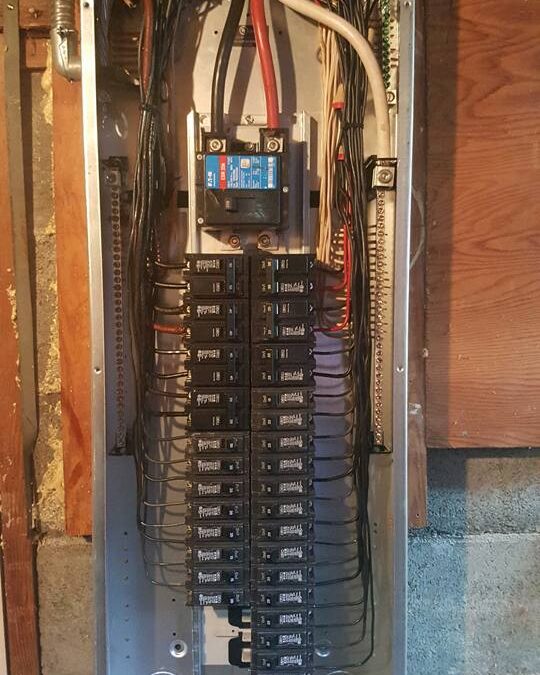
An electrician examines your electrical panel first, looking at circuit breakers, wiring connections, and signs of overheating. They check if the panel size matches your home’s electrical needs.
Next, they inspect outlets and switches throughout your home. This includes testing for proper grounding, checking GFCI outlets in bathrooms and kitchens, and looking for loose connections.
The inspection covers your home’s wiring system, including exposed wires in basements and attics. Electricians look for old or damaged insulation, improper wire sizes, and outdated wiring materials like aluminum or knob-and-tube.
Verifying GFCI protection and proper operation is a core part of a residential electrical inspection in kitchens, baths, garages, basements, and outdoors; per the U.S. Consumer Product Safety Commission (CPSC), GFCIs have played a key role in reducing electrocutions, and broader use could further reduce electrocutions and mitigate thousands of electrical burn and shock injuries around the home each year.
They also examine:
- Grounding and bonding systems
- Smoke and carbon monoxide detectors
- Light fixtures and ceiling fans
- Major appliances and their connections
- Outdoor electrical components
Difference between DIY checks and professional inspections
You can do basic safety checks like testing outlets with a plug tester or looking for visible damage. These simple checks help you spot obvious problems between professional inspections.
Professional inspections go much deeper. Licensed electricians have training to identify hidden problems you would miss. They use specialized tools like thermal imaging cameras to find hot spots behind walls.
Electricians know building codes and safety standards that change over time. They can open electrical panels safely and check connections you should never touch without proper training.
A DIY check might find a broken outlet cover, but a professional inspection finds the faulty wiring behind the wall that could start a fire. Professional inspections also provide documentation you need for insurance claims or home sales.
How inspections prevent hazards and costly repairs
Electrical inspections catch small problems before they become expensive emergencies. A loose wire connection creates heat that can damage your electrical panel or start a fire, but an inspection finds and fixes it early.
Overloaded circuits are a common issue that inspections reveal. Your electrician can recommend adding circuits or upgrading your panel, which costs less than repairing fire damage.
Old wiring deteriorates over time, and the insulation breaks down. An inspection identifies these weak points so you can replace problem areas before they fail completely. This prevents electrical shocks and reduces fire risk.
Many insurance companies offer lower rates when you provide proof of regular electrical inspections. The money you save on insurance, combined with avoiding emergency repairs, makes inspections worth the cost.
Importance of regular inspections for older homes
Homes built more than 25 years ago need inspections every two to three years. Older electrical systems were not designed for modern power needs, and materials degrade over time.
Many older homes still have outdated wiring types that do not meet current safety standards. Federal Pacific or Zinsco electrical panels, common in homes from the 1950s-1980s, have known safety problems and should be replaced.
The number of electrical devices in homes has increased dramatically. Your older home’s electrical system might be overloaded even if it worked fine when first installed.
Building codes change to reflect new safety knowledge. An inspection tells you where your older home does not meet current codes, helping you prioritize upgrades. You protect your family and increase your home’s value by bringing the electrical system up to modern standards.
Why you need a home electrical safety inspection
A professional electrical inspection identifies hidden problems in your home’s electrical system that could put your family at risk. These checks find faulty wiring, overloaded circuits, and code violations before they lead to fires, shocks, or expensive damage.
Identify outdated or damaged wiring
Old or damaged wiring is one of the most common electrical hazards in homes. If your house was built more than 40 years ago, it likely has outdated wiring that wasn’t designed to handle modern electrical demands. Aluminum wiring, common in homes built between 1965 and 1973, can become loose at connections and create fire risks.
An inspector checks for frayed insulation, exposed wires, and connections that have deteriorated over time. They also look for knob-and-tube wiring, which many insurance companies won’t cover due to safety concerns.
Overloading and missing ground-fault protection are known contributors to electrical injuries, which is why inspectors check circuit loading, outlet protection, and safe cord use during an electrical system maintenance review; according to OSHA, frequent electrical injury causes include lack of ground-fault protection and improper use of extension and flexible cords.
Damaged wiring often hides behind walls where you can’t see it. Water damage, pest activity, and age can all compromise wire insulation. An inspection reveals these problems before they cause sparks, shorts, or fires.
Detect overloaded circuits and breakers
Your electrical system has limits on how much power it can safely handle. When you plug too many devices into one circuit or use extension cords as permanent solutions, you create dangerous overloads.
An inspector tests each circuit to ensure it’s not carrying more current than it’s rated for. They check if your breaker panel is sized correctly for your home’s needs. Many older homes have 60-amp or 100-amp panels that can’t safely power today’s appliances, electronics, and HVAC systems.
Signs of overloaded circuits include:
- Breakers that trip frequently
- Dimming lights when appliances turn on
- Warm or discolored outlets and switch plates
- Burning smells near electrical fixtures
Your inspector will recommend upgrades if your panel or circuits can’t meet your home’s electrical demands safely.
Prevent fire hazards and electrical shocks
Electrical problems cause approximately 51,000 house fires each year. An inspection finds issues that could spark fires, including loose connections, improper grounding, and faulty equipment.
Ground Fault Circuit Interrupters (GFCIs) protect you from shocks in wet areas like bathrooms, kitchens, and outdoor outlets. Arc Fault Circuit Interrupters (AFCIs) detect dangerous electrical arcs that can start fires. Your inspector verifies these safety devices are installed where required and working properly.
Improper DIY electrical work is a major source of hazards. An inspector identifies amateur repairs that don’t meet safety standards. They also check for reversed polarity, missing ground wires, and other wiring mistakes that increase shock and fire risks.
Ensure compliance with safety codes
Electrical codes update regularly to reflect new safety standards and technology. Your home’s electrical system must meet the National Electrical Code and local requirements, especially if you’re selling or renovating.
An inspection reveals code violations that need correction. Common issues include missing junction box covers, improper wire gauge for circuit loads, and outlets installed too far apart. During home sales, buyers often require electrical inspections to identify problems that could delay closing or reduce property value.
If you’ve added rooms, finished a basement, or installed new appliances, your electrical system may need updates to meet current codes. Your inspector documents violations and recommends necessary repairs.
Protect your family, pets, and property
Your home’s electrical system powers everything from heating and cooling to medical devices and security systems. When this system fails, it threatens your safety and comfort.
Regular inspections catch problems early, before they become emergencies. You avoid the expense of fire damage, destroyed electronics, and emergency repairs. More importantly, you protect your family and pets from burns, shocks, and smoke inhalation.
Children and pets are especially vulnerable to electrical hazards. They may not recognize warning signs like warm outlets or buzzing sounds. An inspection identifies and eliminates these dangers throughout your home, creating a safer environment for everyone who lives there.
Common electrical issues found during inspections
Home electrical safety inspections often reveal similar problems across many properties. Faulty wiring, malfunctioning outlets, overloaded circuits, and outdated equipment pose serious safety risks that need immediate attention.
Frayed or exposed wiring
Frayed or exposed wiring creates a direct fire hazard in your home. The protective insulation around electrical wires can deteriorate over time due to age, pest damage, or physical wear. When the metal conductors become visible, they can spark or overheat.
You’ll often find this problem in older homes where wiring has not been updated. Attics, basements, and areas where wires run behind walls are common locations for deteriorated insulation. Rodents frequently chew through wire insulation, leaving dangerous exposed conductors.
Warning signs include:
- Visible copper or aluminum wire showing through insulation
- Cracked or brittle wire coating
- Burn marks near wiring
- Flickering lights connected to affected circuits
Replace any frayed or exposed wiring immediately. This is not a DIY project and requires a licensed electrician.
Faulty outlets or switches
Outlets and switches fail due to age, loose connections, or improper installation. A faulty outlet may not hold plugs securely, show scorch marks, or feel warm to the touch. These issues indicate internal damage that could lead to electrical fires.
Ground Fault Circuit Interrupter (GFCI) outlets are required in bathrooms, kitchens, and outdoor areas. During inspections, electricians test whether these outlets trip properly when exposed to moisture or ground faults. Non-functioning GFCI outlets put you at risk of electrical shock.
Two-prong outlets in older homes lack proper grounding, which modern appliances need for safe operation. Inspectors flag these outdated outlets as safety concerns. Loose switches that spark or buzz also indicate wiring problems that need repair.
Circuit breakers tripping frequently
Circuit breakers trip to protect your home from electrical overloads and short circuits. If a breaker trips occasionally when you use high-power appliances, this is normal. However, frequent tripping points to a serious underlying problem.
Common causes include overloaded circuits, short circuits, or ground faults. An overloaded circuit happens when you draw more power than the circuit can handle. Short circuits occur when hot wires touch neutral wires, creating a surge of current.
Old or defective breakers may trip without cause and need replacement. If you reset a breaker and it trips immediately, stop using that circuit and call an electrician. Never replace a breaker with a higher amperage rating to stop tripping, as this creates a fire hazard.
Improper grounding or bonding
Grounding provides a safe path for excess electricity to flow into the earth. Without proper grounding, electrical faults can energize metal surfaces and cause shock or electrocution. Bonding connects metal components to create a continuous low-resistance path.
During a home wiring safety check, inspectors verify that your electrical system has proper grounding throughout. They look for grounding wires connected to outlets, a grounding electrode system, and bonded metal water pipes. Missing or disconnected ground wires appear frequently in older homes.
Three-prong outlets without actual ground connections create a false sense of security. Inspectors use specialized tools to detect fake grounds. Water heaters, gas lines, and service panels all require proper bonding to prevent dangerous voltage differences.
Overloaded panels or outdated systems
Electrical panels distribute power throughout your home and contain circuit breakers that protect individual circuits. Older homes often have 60-amp or 100-amp panels that cannot handle modern electrical demands. Most homes today need at least 200-amp service.
Inspectors look for overloaded panels with double-tapped breakers (two wires under one breaker terminal) or tandem breakers crammed into every space. These shortcuts create overheating risks. Corrosion, rust, or moisture inside the panel indicates serious problems.
Federal Pacific Electric (FPE) and Zinsco panels are known fire hazards that fail to trip during overloads. If your home has one of these panels, replacement is strongly recommended. Fuse boxes are outdated systems that should be upgraded to modern circuit breaker panels for improved safety and capacity.
How a professional home electrical safety inspection works
A licensed electrician examines your entire electrical system through visual checks, technical testing, and safety evaluations. The inspection covers everything from your main panel to individual outlets and identifies problems that could cause fires or injuries.
Initial visual inspection of panels and outlets
The electrician starts by looking at your electrical panel to check for obvious problems. They examine the panel box for signs of rust, water damage, or burn marks that indicate overheating. Loose wires, improper connections, and outdated equipment are noted during this first check.
Your outlets and switches throughout the home receive a visual review. The inspector looks for cracked cover plates, scorch marks, or outlets that sit loose in the wall. They check that three-prong outlets are properly installed and that GFCI outlets are present in bathrooms, kitchens, and outdoor areas where water exposure is possible.
Light fixtures, junction boxes, and visible wiring also get examined. Any exposed wires, improper wire nuts, or missing junction box covers are documented as safety concerns.
Testing voltage, current, and grounding
The licensed electrician uses specialized meters to measure electrical flow throughout your system. A multimeter checks that outlets deliver the correct voltage, typically 120 volts for standard outlets and 240 volts for large appliances. Low or high voltage readings signal wiring problems or issues with your electrical service.
Ground fault protection gets tested at each GFCI outlet using a testing device. The inspector presses the test button and uses a circuit tester to confirm the outlet cuts power immediately when it detects a ground fault. Arc fault circuit interrupters (AFCIs) in bedrooms and living areas are also tested.
The grounding system receives careful attention because it protects you from electrical shock. The inspector verifies that your electrical panel connects properly to a ground rod or other grounding electrode. They test the continuity of the ground wire throughout your home’s circuits.
Checking breaker functionality and load capacity
Each circuit breaker gets tested to ensure it trips at the correct amperage rating. The electrician checks that breaker sizes match the wire gauge they protect. A 15-amp breaker should protect 14-gauge wire, while 20-amp breakers work with 12-gauge wire.
The inspector calculates the electrical load on each circuit. They add up the amperage drawn by all devices and fixtures on a circuit to see if it exceeds safe limits. Overloaded circuits cause breakers to trip frequently and create fire risks.
Your main service panel capacity is evaluated based on your household needs. Most modern homes need at least 100-amp service, but homes with electric heating or multiple large appliances often require 200-amp service.
Identifying potential hazards or code violations
The electrician looks for specific safety hazards that put your home at risk. These include:
- Aluminum wiring from the 1960s and 1970s that can overheat at connections
- Knob-and-tube wiring in older homes that lacks grounding
- Double-tapped breakers where two wires connect to one breaker
- Missing GFCI or AFCI protection in required areas
- Improper wire splices outside of junction boxes
Current electrical code compliance is checked against standards in your area. Homes built decades ago often have systems that were legal then but don’t meet today’s safety requirements. The inspector notes these outdated installations even if they’re not immediately dangerous.
Providing a detailed report with recommendations
You receive a written report that lists all findings from the inspection. The report categorizes issues by priority level. Safety hazards that need immediate attention are marked as urgent, while minor code violations or upgrade suggestions are listed separately.
Each problem includes a clear description and location within your home. Photos often accompany the findings to show you exactly what the inspector found. The report explains why each issue matters and what risks it creates.
Recommended repairs come with estimated timelines for completion. Some fixes are simple and quick, while others require extensive rewiring or panel upgrades. The electrician may provide rough cost estimates or suggest you get quotes from qualified electricians for the necessary work.
Benefits of professional electrical inspections
Professional electrical inspections provide multiple advantages that protect your home and family. These inspections catch dangerous problems early, help you meet legal requirements, and save money by preventing major issues before they start.
Enhanced safety and reduced risk of fires
Electrical problems cause thousands of home fires each year. Many of these fires start behind walls where you can’t see warning signs until it’s too late.
A professional inspection finds faulty wiring, overloaded circuits, and outdated components that could spark a fire. Inspectors check your electrical panel, outlets, switches, and wiring throughout your home. They use specialized equipment to detect problems like loose connections, damaged insulation, and improper grounding.
Common fire hazards inspectors identify:
- Aluminum wiring that needs replacement
- Overloaded circuits and electrical panels
- Damaged or frayed wiring
- Improper wire connections
- Outdated fuse boxes
Your family’s safety depends on a properly functioning electrical system. An inspection removes the guesswork and gives you facts about your home’s condition.
Peace of mind for homeowners
You can’t see what’s happening inside your walls or electrical panel. This uncertainty creates stress, especially if you live in an older home or have experienced flickering lights or tripped breakers.
A professional inspection removes this worry. You get a clear report that explains the condition of your electrical system in plain language. If problems exist, you’ll know exactly what needs fixing and how urgent each issue is.
This knowledge helps you make informed decisions about repairs and upgrades. You won’t wonder if that buzzing sound is dangerous or if your outlets are safe. Instead, you’ll have professional guidance backed by expertise and testing.
Compliance with insurance and local codes
Insurance companies often require electrical inspections for older homes or as a condition of coverage. Without proof that your electrical system meets safety standards, you might face higher premiums or coverage denial.
Local building codes change over time. What was acceptable 20 years ago might not meet current safety standards. An inspection identifies code violations that need correction.
Compliance benefits include:
- Meeting homeowner’s insurance requirements
- Avoiding fines during home sales
- Ensuring proper permits for renovations
- Maintaining valid home warranties
You need documentation that your electrical system is safe and legal. Professional inspections provide the paperwork insurance companies and local authorities require.
Avoidance of costly emergency repairs
Small electrical problems become expensive emergencies when ignored. A loose connection today could mean a burned-out panel tomorrow. An overloaded circuit might seem minor until it damages your appliances or starts a fire.
Professional inspections catch these issues early when fixes are simple and affordable. Replacing a few outlets costs much less than rewiring entire rooms after fire damage. Upgrading an outdated panel is cheaper than emergency repairs after a complete system failure.
Emergency electrical work costs two to three times more than scheduled repairs. You also face the expense of damaged electronics, lost food from power outages, and temporary housing if major problems force you out of your home.
Extended lifespan of electrical systems
Your electrical system is a major investment that should last decades with proper care. Regular inspections help you maintain this system and avoid premature replacement.
Inspectors identify components that are wearing out before they fail completely. They recommend maintenance that prevents deterioration and keeps everything running efficiently. This proactive approach extends the life of your wiring, panel, and fixtures.
A well-maintained electrical system also uses energy more efficiently. Faulty connections create resistance that wastes electricity and increases your utility bills. Inspections find these inefficiencies so you can correct them and lower your energy costs.
Your electrical system works better and lasts longer when professionals monitor its condition. You avoid the massive expense of complete system replacement by addressing problems incrementally over time.
Tips to maintain home electrical safety between inspections
Keeping your electrical system safe requires consistent attention throughout the year, not just during professional inspections. Simple habits like monitoring outlet usage, checking for wear and tear, and upgrading old equipment can prevent hazards and keep your home protected.
Avoid overloading outlets and extension cords
Plugging too many devices into a single outlet creates excess heat and increases your fire risk. Each outlet has a maximum amperage rating, and exceeding this limit can damage the wiring behind your walls.
You should never plug power strips into other power strips, a practice called daisy chaining. This multiplies the electrical load beyond safe levels. Instead, spread your devices across multiple outlets in different areas of the room.
Extension cords work best as temporary solutions, not permanent wiring. If you rely on extension cords for everyday use, your home likely needs additional outlets installed. Check that any extension cord you use matches the power requirements of your devices and shows no signs of fraying or damage.
Space heaters and air conditioners need their own dedicated outlets. These high-wattage appliances draw significant power and should never share an outlet with other devices.
Regularly check for damaged wires or plugs
Worn electrical components are common fire hazards that you can spot with quick visual checks. Look for cracks in outlet covers, loose plugs that fall out easily, or outlets that feel warm to the touch.
Frayed or exposed wiring on appliance cords needs immediate attention. Replace any cord that shows copper wire, has damaged insulation, or feels unusually hot during use. Pay special attention to cords near heat sources or areas where furniture might pinch them.
Your circuit breaker trips for a reason. If a breaker switches off repeatedly, it signals an overloaded circuit or a wiring problem that requires professional diagnosis. Never replace a breaker with a higher-amp version to stop tripping.
Check your electrical panel monthly for signs of rust, burning smells, or scorch marks. These indicate serious problems with your electrical system maintenance that need immediate professional review.
Replace outdated appliances and fixtures
Old appliances lack modern safety features and use outdated wiring standards. Appliances manufactured before 1985 may not meet current safety codes and often consume more electricity while presenting greater fire risks.
You should replace any light fixtures with cracked sockets or loose connections. Flickering lights often point to poor connections that generate heat and pose fire hazards. Two-prong outlets throughout your home indicate outdated wiring without proper grounding protection.
Aluminum wiring, common in homes built between 1965 and 1973, requires special attention. This wiring expands and contracts more than copper, creating loose connections over time. Consider upgrading to copper wiring or installing approved connectors at connection points.
Energy-efficient appliances offer both safety improvements and lower utility bills. Modern devices include built-in surge protection and automatic shutoffs that older models lack.
Install GFCI and AFCI protection
Ground Fault Circuit Interrupter (GFCI) outlets prevent electrocution by shutting off power when they detect electrical imbalances. You need these in bathrooms, kitchens, garages, basements, and outdoor areas where water contact is possible.
Test your GFCI outlets monthly using the test and reset buttons on the outlet face. Press the test button, which should immediately cut power to the outlet. The reset button restores power. If the outlet fails this test, replace it right away.
Arc Fault Circuit Interrupter (AFCI) breakers protect against electrical arcs that cause fires. These breakers detect dangerous sparking in your wiring and shut off power before fires start. Current electrical codes require AFCI protection in bedrooms and most living spaces.
Installing these protective devices costs less than repairing fire damage. A licensed electrician can retrofit your home with proper GFCI and AFCI protection where needed.
Schedule inspections after renovations or additions
Any modification to your home’s structure affects your electrical system maintenance needs. Room additions, kitchen remodels, and finished basements all require updated wiring and additional circuits.
New appliances often need dedicated circuits to function safely. Installing a hot tub, central air conditioning, or electric vehicle charger changes your electrical load significantly. A professional inspection confirms your panel can handle the increased demand.
DIY electrical work, even minor projects, should receive professional verification. Incorrect wire connections or improper grounding create hidden dangers that inspections can identify. Many insurance policies require inspection documentation after major electrical work.
Water damage from floods or major leaks necessitates electrical inspection before restoring power. Water compromises insulation and creates shock hazards throughout affected circuits.
Why choose Peak Electric Group for home electrical safety inspections
Peak Electric Group brings licensed expertise, thorough inspection methods, and a strong commitment to safety standards for homeowners throughout the Portland area and Columbia County region.
Licensed and experienced electricians
Peak Electric Group employs licensed electricians with extensive training in residential, commercial, and industrial electrical systems. These professionals understand current electrical codes and safety requirements that apply to homes in Oregon.
The team has specific knowledge of older home wiring, modern electrical demands, and common safety issues found in Pacific Northwest properties. Their experience covers everything from basic electrical panels to complex home systems.
Licensed electricians can identify problems that general home inspectors might miss. They know what to look for in terms of fire hazards, code violations, and outdated components that need replacement.
Comprehensive inspection for all home systems
The inspection covers your entire electrical system from top to bottom. Electricians check your main service panel, circuit breakers, wiring, outlets, switches, and lighting fixtures throughout your home.
They assess whether your system meets current code requirements and can handle your household’s electrical load. The inspection includes checking for proper grounding, GFCI protection in wet areas, and arc fault protection where required.
Inspectors also evaluate the condition of your electrical equipment. They look for signs of wear, overheating, amateur repairs, and potential fire hazards that could put your family at risk.
Transparent reporting and recommendations
After completing the inspection, you receive a detailed report of all findings. The report clearly identifies any safety concerns, code violations, and recommended repairs or upgrades.
Peak Electric Group explains what needs immediate attention versus what can wait. They provide honest assessments without pushing unnecessary work. You get straightforward information about costs and priorities so you can make informed decisions about your home’s electrical system.
The team walks through the findings with you in person. This gives you the chance to ask questions and understand exactly what issues exist in your home.
Fast and reliable service
Peak Electric Group serves the greater Portland area, including Scappoose, St. Helens, and Columbia County. They schedule inspections at times that work for your schedule.
The company responds quickly to inspection requests and completes thorough evaluations without unnecessary delays. Their electricians arrive on time and work efficiently to minimize disruption to your day.
You can count on consistent communication throughout the process. The team keeps you informed about scheduling, findings, and any follow-up work that may be needed.
Focus on safety, compliance, and long-term reliability
Safety is the primary concern for every inspection Peak Electric Group performs. Their electricians identify hazards that could lead to fires, shocks, or other dangerous situations in your home.
They ensure your electrical system complies with current National Electrical Code standards and local requirements. This matters for insurance coverage, home sales, and most importantly, protecting your family.
The inspection also considers your home’s future needs. Electricians evaluate whether your system can handle additional loads if you plan to add major appliances or an electric vehicle charger. This forward-thinking approach helps you avoid costly upgrades down the road.
Conclusion
A home electrical safety inspection protects your property and the people living in it. Licensed electricians examine your entire electrical system to find problems before they become dangerous or expensive to fix.
Regular inspections catch issues like outdated wiring, overloaded circuits, and faulty outlets. These problems can cause fires, injuries, or damage to your appliances and electronics.
You should schedule an inspection when buying a home, after major renovations, or if your house is over 25 years old. Homes with older electrical systems need more frequent checks to ensure safety.
The inspection process covers your electrical panel, circuit breakers, wiring, outlets, switches, and safety devices. A qualified electrician will test these components and provide a detailed report of their findings.
Taking action on inspection recommendations keeps your electrical system running safely. Small repairs now prevent major problems later. Your home’s electrical system works constantly, so maintaining it properly is part of responsible homeownership.
Schedule your electrical safety inspection with a licensed professional. This investment protects your home, family, and finances from preventable electrical hazards.
Schedule a home electrical safety inspection with Peak Electric Group to complete a licensed electrician inspection of your panel, wiring, outlets, and protective devices so you can prevent electrical hazards before they become emergencies.
Recent Comments