
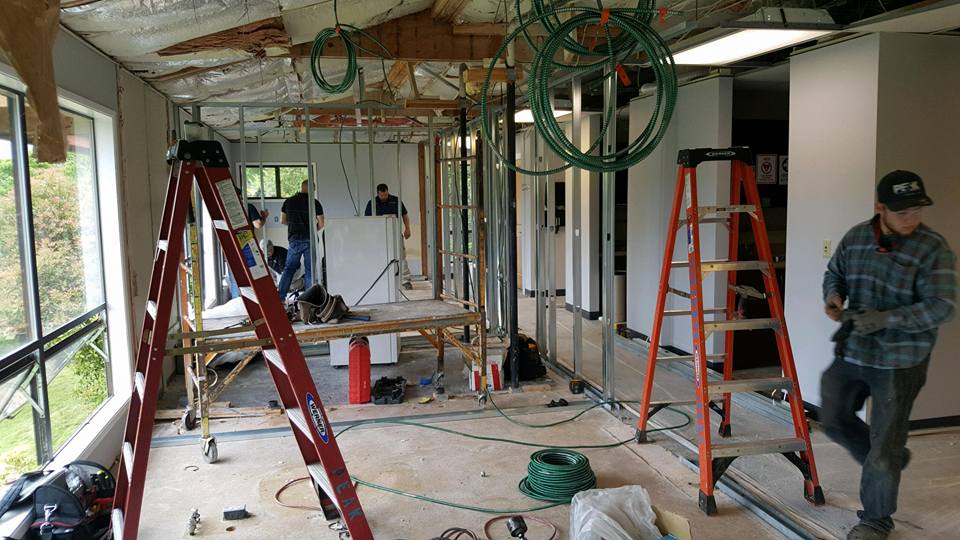
Professional electrical outlet installation services include installing new outlets, replacing old or damaged ones, upgrading to safer outlet types, and adding outlets where you need them most. These services cover all kinds of outlets, including standard ones, GFCI outlets for wet areas, and special outlets for large appliances. The work involves proper wiring, safety checks, and making sure everything meets local electrical codes.
Your home’s electrical outlets do more work than you might realize. They power everything from your phone charger to your refrigerator. When outlets stop working right or you need more of them, that’s when you need electrical outlet installation services.
You might think installing an outlet is simple, but doing it wrong can cause fires, shocks, or damage to your electronics. Professional electricians have the training and tools to do the job safely. They also know which outlets work best for different rooms and how to spot problems in your existing electrical system.
According to the U.S. Fire Administration (USFA), in 2021 U.S. fire departments reported an estimated 24,200 residential building electrical fires, resulting in about 295 deaths, 900 injuries, and over $1.2 billion in property loss, which is why safe receptacle installation and outlet wiring practices matter.
In this article, you’ll learn how electrical outlet installation services support safer, code-compliant receptacle installation for homes and businesses in Vancouver, including GFCI outlet installation and outlet wiring upgrades.
Here’s what you need to know:
- What are electrical outlet installation services and why they matter
- Factors that influence electrical outlet installation cost
- Signs you need a new electrical outlet installed
- How professional electrical outlet installation works
- Safety best practices during outlet installation
- Benefits of professional outlet installation
- Emergency or specialty outlet installation situations
Let’s dive in!
What are electrical outlet installation services and why they matter
Electrical outlet installation services involve adding new outlets, replacing damaged ones, or upgrading existing outlets to meet safety standards and modern power demands. Professional electricians handle the wiring, secure outlet boxes, ensure proper connections, and verify that everything works correctly while following local codes.
Understanding outlet types and applications
Different outlet types serve specific purposes in your home or business. The standard 120-volt, three-prong outlet powers most everyday devices like lamps, phones, and small appliances. GFCI outlets protect against electrical shocks in areas with water exposure, such as bathrooms, kitchens, and outdoor spaces.
Per the U.S. Consumer Product Safety Commission (CPSC), a GFCI can trip when the current difference is as small as 0.006 amperes (6 milliamps), interrupting power fast enough to help prevent a lethal shock—supporting GFCI outlet installation in wet and outdoor locations.
AFCI outlets detect dangerous electrical arcs that can cause fires. USB-integrated outlets let you charge devices directly without bulky adapters. 240-volt outlets provide the higher power needed for large appliances like dryers, ovens, and air conditioners.
Residential electrical outlets typically include standard outlets in bedrooms and living areas, GFCI outlets in wet locations, and specialized outlets for major appliances. Commercial electrical outlets often require more robust systems to handle heavy equipment, multiple users, and industry-specific tools.
Importance of proper installation for safety and functionality
Proper installation prevents electrical shocks, fires, and equipment damage. Loose connections create heat buildup that can melt wiring insulation and spark fires. Incorrect wiring can send electricity through paths that weren’t designed for it, damaging your devices or injuring people.
According to CDC/NIOSH, 0.1 amp of electricity through the human body for about two seconds can be fatal, reinforcing why receptacle installation should include verified de-energization, correct polarity/grounding, and post-install testing.
Professional electricians know the correct wire gauge for different amperage needs. They ensure outlets are grounded properly to redirect excess electricity safely. They also position outlet boxes at the right depth and secure them firmly to prevent movement.
Testing each outlet after installation confirms it delivers the correct voltage and polarity. This verification catches problems before you plug in expensive electronics or critical equipment.
Compliance with Vancouver electrical codes
Vancouver follows the Canadian Electrical Code, which sets strict requirements for outlet installation. These codes specify minimum outlet spacing, height requirements, and where GFCI and AFCI protection must be installed. Living rooms need outlets every 12 feet along walls.
Kitchens require GFCI-protected outlets on countertops, with at least two 20-amp circuits for small appliances. Bathrooms must have GFCI outlets within specific distances from sinks and tubs. Outdoor outlets need weatherproof covers and GFCI protection.
Licensed electricians stay current with code changes and know local permit requirements. Inspectors verify that installations meet these standards before approving them. Non-compliant work can result in failed inspections, insurance claim denials, and safety hazards.
Residential vs commercial outlet needs
Residential electrical outlets focus on everyday convenience and basic safety. Homes typically use 15-amp circuits for general outlets and 20-amp circuits for kitchens and high-power areas. Outlet placement prioritizes furniture arrangements and common device locations.
Commercial electrical outlets must handle heavier electrical loads and more frequent use. Offices need outlets for computers, printers, and charging stations. Retail spaces require outlets for display lighting, cash registers, and specialized equipment. Industrial settings often need 240-volt or three-phase power for machinery.
Commercial installations follow stricter durability standards. Outlets often include tamper-resistant features or locking mechanisms. The wiring uses heavier gauge conductors to support multiple devices running simultaneously without overloading circuits.
Reducing fire hazards and electrical failures
Faulty outlets cause thousands of fires each year. Worn outlets lose their grip on plugs, creating resistance that generates heat. Backstabbed connections (where wires push into holes instead of wrapping around screws) can loosen over time and arc.
Professional installation uses screw terminals for secure connections. Electricians check for aluminum wiring, which requires special connectors to prevent corrosion and overheating. They verify that circuit breakers match wire capacity to prevent overloads.
Regular upgrades replace outdated two-prong outlets with grounded three-prong versions. Modern outlets include surge protection features that guard against voltage spikes. AFCI technology detects abnormal electrical patterns and cuts power before fires start.
Factors that influence electrical outlet installation cost
Several key factors determine how much you’ll pay for outlet installation. Material costs vary based on outlet features, while labor expenses depend on how difficult it is to access existing wiring and whether your electrical system needs upgrades.
Type of outlet (standard, GFCI, USB, smart outlets)
Standard 120-volt outlets cost the least to install, typically adding $15 to $30 in materials per unit. These basic two- or three-prong outlets handle everyday electronics and lamps.
GFCI outlets cost more because they include safety features that shut off power when they detect electrical imbalances. You’ll pay $150 to $420 per outlet for installation. Building codes require GFCI outlets in bathrooms, kitchens, garages, and outdoor locations where water exposure is possible.
USB outlets combine standard plugs with USB charging ports. These units cost $25 to $50 for materials plus installation labor. Smart outlets let you control power remotely through apps and can cost $50 to $150 per unit before installation.
Higher-voltage 240-volt outlets for appliances like dryers and electric vehicle chargers range from $300 to $800 installed. These outlets require dedicated circuits and thicker wiring.
Location and accessibility of wiring
Installing outlets in existing walls with easy access to wiring costs $120 to $350 per outlet. Electricians can quickly connect to nearby circuits when junction boxes and wiring paths are readily available.
Locations far from your electrical panel increase costs. Your electrician needs more time and materials to run new wiring through walls, ceilings, or floors. Outdoor installations add $100 to $200 per outlet for weatherproof boxes, conduit, and weather-rated covers that protect against moisture.
Finished spaces where wiring is hidden behind drywall cost more than unfinished basements or garages. Your electrician may need to cut into walls, fish wires through tight spaces, and patch holes afterward. Stone, brick, or concrete walls require special tools and add labor time.
Complexity of wiring or existing circuit upgrades
Adding outlets to existing circuits with available capacity costs less than creating new circuits. Simple installations where your electrician taps into nearby wiring take one to two hours of labor.
Your electrical panel may need upgrades if existing circuits are at capacity or if you’re adding high-power outlets. Installing a new dedicated circuit costs $100 to $250 beyond the outlet installation itself. This work includes running new wire from the panel and installing a new breaker.
Older homes with outdated wiring or insufficient electrical service require more extensive upgrades. Aluminum wiring, knob-and-tube systems, or two-prong ungrounded circuits need special adapters or complete rewiring. These projects can add hundreds to thousands of dollars depending on scope.
Number of outlets to install
Electricians often reduce per-unit costs when you install multiple outlets in one visit. The first outlet costs $138 to $350, but additional outlets in the same area may cost $75 to $150 each.
Bulk installations save money because your electrician only makes one trip and can run wiring more efficiently. Installing five outlets typically costs less per unit than scheduling five separate appointments. You’ll still pay for each outlet’s materials and labor, but setup time and travel fees apply only once.
Professional labor and safety compliance
Electrician labor rates range from $50 to $130 per hour depending on your location and the company you hire. Urban areas with higher costs of living typically have higher rates. Most single outlet installations take one to two hours.
Licensed electricians ensure work meets local electrical codes. Building permits cost $50 to $150 in most areas and require inspections to verify safe installation. Some jurisdictions don’t require permits for simple outlet replacements, but new installations and circuit work typically need approval.
Professional installation protects you from electrical hazards like fires, shocks, and code violations. Improper wiring causes thousands of home fires annually. Licensed electricians carry insurance and warranties that cover their work.
Signs you need a new electrical outlet installed
Knowing when to install new electrical outlets can prevent safety hazards and make your space more functional. Common indicators include a shortage of available outlets, relying heavily on extension cords, visible damage to existing outlets, home renovations, and the need for specialized safety outlets.
Insufficient outlets in your home or office
You might notice yourself constantly unplugging one device to charge another. This is a clear sign you don’t have enough outlets for your needs.
Most older homes were built when people owned fewer electronic devices. Modern households typically need outlets for smartphones, tablets, laptops, kitchen appliances, and entertainment systems. The average room should have at least one outlet on each wall, with kitchens and home offices requiring even more.
When you lack adequate outlets, you’re more likely to overload the ones you have. This creates a fire risk and can damage your electrical system. Adding new outlets in strategic locations makes your space safer and more convenient. A licensed electrician can determine the best placement based on your specific needs and local electrical codes.
Frequent use of extension cords
Extension cords are meant for temporary use, not permanent solutions. If you have extension cords running across floors or behind furniture all the time, you need more outlets.
Extension cords create tripping hazards and can overheat when used continuously. They’re especially dangerous when hidden under rugs or furniture where heat can build up. Many house fires start because people rely on extension cords instead of proper outlets.
Power strips don’t solve the underlying problem either. While they add more plug-in spots, they still connect to a single outlet that can become overloaded. Installing new outlets in the right locations eliminates the need for these temporary fixes and reduces your risk of electrical problems.
Outdated or damaged outlets
Outlets showing visible damage need immediate replacement. Look for discoloration, burn marks, cracks, or loose connections that allow plugs to fall out.
Two-prong outlets indicate outdated wiring that lacks proper grounding. These outlets can’t safely handle modern appliances and electronics. Sparks when plugging things in, buzzing sounds, or outlets that feel warm to the touch all signal serious problems.
Outlets more than 15-20 years old may have internal wear you can’t see. The metal contacts inside weaken over time, creating resistance that generates heat. If your breaker trips frequently when using certain outlets, the outlet itself might be failing. Don’t ignore these warning signs, as they can lead to electrical fires or damage to your devices.
Adding appliances or new rooms
Home renovations and new appliances often require additional electrical capacity. A home office, workshop, or entertainment center needs dedicated outlets to function properly.
Large appliances like refrigerators, washing machines, and air conditioners work best with their own dedicated circuits. Sharing outlets with other devices can cause performance issues and electrical problems. When finishing a basement or adding a room, you’ll need outlets that meet current building codes for spacing and quantity.
Kitchen remodels almost always need new outlets. Building codes require outlets every four feet along countertops to prevent the use of extension cords near water. If you’re adding an electric vehicle charger, you’ll need a special high-voltage outlet installed by a professional.
Upgrading to GFCI or specialty outlets for safety
GFCI outlets protect against electrical shock by shutting off power when they detect irregularities. Building codes require them in bathrooms, kitchens, garages, and outdoor areas where water is present.
If your home lacks GFCI protection in these areas, installing them should be a priority. They’re especially important in older homes that weren’t built to current safety standards. GFCI outlets can prevent serious injuries and are required for home sales in many areas.
Other specialty outlets serve specific purposes. USB outlets eliminate the need for charging adapters. Tamper-resistant outlets protect children from electrical shock. AFCI outlets detect dangerous electrical arcs that can start fires. Smart outlets let you control devices remotely and monitor energy use. Upgrading to these specialized options improves both safety and convenience in your home.
How professional electrical outlet installation works
Professional electricians follow a structured process that includes evaluating your electrical system, choosing appropriate outlets, installing them safely, and verifying everything meets local codes.
Initial inspection and assessment of electrical load
An electrician starts by examining your current electrical system to understand its capacity. They check your circuit breaker panel to see how much power each circuit can handle. This step prevents overloading, which can cause breakers to trip or create fire hazards.
The electrician measures the electrical load on existing circuits. They calculate whether adding new outlets requires a dedicated circuit or if your current setup has enough capacity. Homes typically use 15-amp or 20-amp circuits for standard outlets.
They also inspect the walls and areas where you want outlets installed. This helps them identify any hidden wiring, pipes, or structural elements that could complicate the installation. The assessment includes checking whether your home has grounded wiring, which is required for modern safety standards.
Selecting the correct type of outlet
Your electrician recommends specific outlet types based on the room and intended use. Standard 120-volt outlets work for most household items, while 240-volt outlets power large appliances like dryers and ovens.
Common outlet types include:
- Standard duplex receptacles for general use
- GFCI (Ground Fault Circuit Interrupter) outlets for bathrooms and kitchens
- AFCI (Arc Fault Circuit Interrupter) outlets for bedrooms
- USB outlets with built-in charging ports
- Weather-resistant outlets for outdoor spaces
The electrician considers local electrical codes when selecting outlets. Kitchens and bathrooms require GFCI protection to prevent shock in wet areas. They also factor in the amperage rating needed for your devices and appliances.
Safe wiring and installation procedures
The electrician turns off power at the circuit breaker before starting any work. They use a voltage tester to confirm the power is off, which prevents electrical shock. Safety is the primary concern during receptacle installation.
For new outlet wiring, they run cable from the circuit breaker panel to the outlet location. The cable contains hot (black), neutral (white), and ground (green or bare copper) wires. Each wire connects to specific terminals on the outlet.
The electrician strips wire insulation carefully to expose the right amount of copper. They connect wires using proper techniques like wrapping clockwise around screw terminals or using push-in connections. All connections must be tight and secure to prevent arcing or heat buildup.
They install the outlet in an approved electrical box mounted securely in the wall. The box provides protection and contains any sparks or heat. The electrician ensures the outlet sits flush with the wall plate for a clean finish.
Testing and ensuring functionality
After completing the outlet wiring, the electrician restores power at the breaker. They use a receptacle tester to check for proper wiring. This small device plugs into the outlet and shows light patterns that indicate correct or incorrect wiring.
The tester verifies:
- Hot and neutral wires are connected correctly
- Ground wire is properly connected
- No reverse polarity exists
- GFCI outlets trip and reset as designed
The electrician plugs in actual devices to confirm the outlet works under load. They check that the outlet provides steady power without sparking or buzzing sounds. For GFCI outlets, they press the test button to ensure it trips immediately and cuts power.
Compliance check with electrical codes
The electrician verifies all work meets the National Electrical Code (NEC) and your local building codes. These codes specify outlet spacing, heights, and types required for different rooms. Compliance protects your home and may be required for insurance coverage.
Building codes typically require outlets every 12 feet along walls in living spaces. Kitchen counters need outlets every 4 feet. The electrician ensures outlet heights meet code requirements, usually 12 to 18 inches above the floor.
They document the work performed, including circuit assignments and outlet locations. This information helps with future electrical work or troubleshooting. Some jurisdictions require permits and inspections for new outlet installation, which the electrician arranges and coordinates.
Safety best practices during outlet installation
Electrical outlet installation requires strict adherence to safety protocols to prevent fires, electric shocks, and equipment damage. Following established standards for grounding, using the right outlet types in specific locations, and maintaining proper circuit loads protects both people and property.
Proper grounding and wiring standards
Grounding provides a safe path for electrical current to flow into the earth if a fault occurs. You need to connect the bare copper or green wire to the ground terminal on the outlet and ensure it connects properly to your home’s grounding system.
All outlets must have three connection points: hot (black wire), neutral (white wire), and ground. The hot wire connects to the brass screw, the neutral to the silver screw, and the ground to the green screw. Never reverse these connections.
Your wiring must meet the National Electrical Code requirements for your area. Use wire rated for the correct amperage – 14-gauge wire for 15-amp circuits and 12-gauge wire for 20-amp circuits. Undersized wire creates fire hazards through overheating.
Test your connections with a multimeter before restoring power. A properly wired outlet shows approximately 120 volts between hot and neutral, 120 volts between hot and ground, and 0 volts between neutral and ground.
Use of GFCI outlets in wet areas
GFCI (Ground Fault Circuit Interrupter) outlets detect electrical imbalances and shut off power within milliseconds. Building codes require them in bathrooms, kitchens, garages, basements, outdoor areas, and within six feet of any water source.
These outlets monitor the current flowing through the hot and neutral wires. When they detect a difference of 4-6 milliamps, they trip immediately to prevent shock. This protection is critical because even small current leaks through water can be fatal.
You can install GFCI outlets at individual locations or use one GFCI to protect multiple standard outlets downstream. Mark all protected outlets clearly so future users understand the safety features in place.
Test your GFCI outlets monthly by pressing the test button. The reset button should pop out and power should stop flowing. Press reset to restore power. Replace any GFCI outlet that fails this test.
Avoiding overloading circuits
Each circuit in your home has a maximum capacity measured in amperes. Most household circuits are rated for 15 or 20 amps. You should never draw more than 80% of the rated capacity during continuous use.
Calculate your load by adding the wattage of all devices on the circuit and dividing by voltage (120 volts). A 15-amp circuit safely handles 1,440 watts, while a 20-amp circuit handles 1,920 watts.
Installing too many outlets on a single circuit tempts users to plug in excessive devices. Space outlets appropriately and consider adding dedicated circuits for high-draw appliances like refrigerators, microwaves, and air conditioners.
Frequent breaker trips indicate overloading problems. Address this by redistributing devices across circuits or installing additional circuits through a licensed electrician. Ignoring overload warnings leads to overheated wires and potential fires.
Professional tools and safety equipment
You need specific tools to install outlets safely. Wire strippers, voltage testers, screwdrivers with insulated handles, and wire cutters are essential. A non-contact voltage tester lets you verify power is off before touching any wires.
Required safety equipment:
- Insulated gloves rated for electrical work
- Safety glasses to protect from sparks or debris
- Voltage tester or multimeter
- Insulated tools with rubber or plastic handles
- Work light for poorly lit areas
- Circuit breaker finder to identify correct circuits
Never work on outlets with power on. Turn off the circuit breaker and use a voltage tester to confirm no current flows. Place tape over the breaker and post a sign warning others not to restore power.
Regular inspection and maintenance
Inspect your outlets every six months for signs of damage or wear. Look for discoloration, cracks, loose faceplates, or outlets that feel warm to the touch. These indicate serious problems requiring immediate attention.
Test outlets with a plug-in circuit tester that shows proper wiring at a glance. These inexpensive devices reveal reversed polarity, missing grounds, and other wiring errors that compromise safety.
Replace outlets that hold plugs loosely. Weak contacts create resistance, generating heat that damages the outlet and poses fire risks. Outlets typically last 15-25 years with normal use.
Keep outlets clean and free from dust buildup. Vacuum around and inside unused outlets periodically. Check that outdoor and wet area GFCI outlets maintain their weather-resistant covers and seals.
Benefits of professional outlet installation
Professional outlet installation provides measurable improvements to your home’s electrical infrastructure through enhanced safety protocols, code compliance, and long-term reliability. Licensed electricians bring specialized training and equipment that reduces hazards while ensuring your electrical system can handle current and future power demands.
Improved electrical safety and reliability
Licensed electricians follow strict safety protocols when installing outlets. They understand how to properly ground circuits, connect wiring correctly, and identify potential hazards in your existing electrical system.
Professional installation eliminates common DIY mistakes that lead to electrical shocks, shorts, and system failures. Electricians test each outlet after installation to verify proper voltage, polarity, and grounding.
Your electrical system becomes more reliable when outlets are installed to manufacturer specifications and local codes. Professionals use the correct wire gauge for each circuit and ensure connections are tight and secure. They also verify that your circuit breaker has adequate capacity to handle the additional load without overheating or tripping.
Convenience and accessibility for home or office
Strategic outlet placement improves daily functionality in your living and working spaces. Professional electricians assess your specific needs and recommend optimal locations based on furniture layout, appliance requirements, and traffic patterns.
Additional outlets eliminate the need for extension cords and power strips that clutter floors and create tripping hazards. You gain convenient access to power exactly where you need it for computers, kitchen appliances, entertainment systems, and charging stations.
Modern outlet options include USB ports, smart outlets, and dedicated circuits for high-power devices. An electrician can install specialty outlets like GFCI units in bathrooms and kitchens or AFCI outlets in bedrooms to meet current safety standards.
Reduced risk of electrical fires
Faulty outlet installation ranks among the leading causes of residential electrical fires. Loose connections generate heat that can ignite surrounding materials. Professional electricians create secure connections that maintain proper contact and prevent dangerous temperature buildup.
Licensed professionals install outlets with appropriate box sizes and maintain required clearances from combustible materials. They ensure wires are not pinched, stripped too far, or overloaded with too many connections in a single box.
Electricians identify and replace outdated two-prong outlets with grounded three-prong versions. They also detect aluminum wiring, backstabbed connections, and other fire hazards during installation. Each outlet receives proper wire nuts, anti-oxidant paste (when needed), and secure mounting to prevent movement that could loosen connections over time.
Long-term durability and compliance
Professional installation meets National Electrical Code requirements and local building regulations. Code-compliant outlets pass inspection and maintain your home’s insurability and resale value.
Electricians install outlets that match your home’s electrical capacity and wiring type. They select commercial-grade receptacles for heavy-use areas and weather-resistant models for outdoor locations. Proper installation techniques prevent premature wear and outlet failure.
Your investment lasts longer when outlets are installed in properly sized electrical boxes with adequate support. Professional work includes proper labeling at the breaker panel and documentation of circuit loads. Licensed electricians typically provide warranties on their labor and stand behind their installations.
Support for future electrical upgrades
Professional outlet installation prepares your electrical system for expanding power needs. Electricians can install higher-amperage circuits and dedicated lines that accommodate future appliances or technology upgrades.
A licensed professional evaluates your electrical panel’s capacity and recommends upgrades if needed. They ensure new outlets don’t overload existing circuits and leave room for additional connections.
Properly installed outlets support smart home integration and electric vehicle chargers. Electricians can plan for future additions by installing extra conduit or leaving accessible junction points. They document your electrical system’s configuration, making future modifications safer and more cost-effective. Professional installation creates a foundation that adapts to changing electrical demands without requiring complete rewiring.
Emergency or specialty outlet installation situations
Some electrical outlet projects require immediate attention or specialized knowledge due to safety risks, building codes, or unique power requirements. These situations demand professional installation to protect your home and ensure reliable electrical access.
Upgrading outlets in older homes
Older homes often have outdated two-prong outlets that lack proper grounding. These outlets can’t safely power modern three-prong devices and may pose fire hazards.
You need to upgrade these outlets to grounded three-prong versions that meet current electrical codes. The process involves more than just swapping the outlet face. Your electrician must verify that grounding wires exist in the electrical box and properly connect them.
Many older homes also lack GFCI outlet installation in kitchens, bathrooms, and other wet areas where codes now require them. An electrician can assess your entire home’s outlet system and prioritize upgrades based on safety concerns. This work often involves updating the electrical panel and wiring to support modern electrical loads safely.
Installing high-capacity outlets for appliances
Large appliances need dedicated circuits with higher voltage or amperage than standard outlets provide. Electric ranges typically require 240-volt outlets rated for 40-50 amps. Electric dryers need similar high-capacity connections.
Your electrician must install the correct outlet type for each appliance and run appropriate wiring from your electrical panel. Using the wrong outlet or circuit can cause appliances to malfunction, trip breakers repeatedly, or create fire risks.
Air conditioners, electric vehicle chargers, and workshop equipment also require specialty outlets. Each device has specific electrical requirements listed in its manual. Professional installation ensures these outlets receive adequate power and follow local building codes.
Outlets for outdoor or wet areas
GFCI outlets are required by code in any location where water and electricity might meet. These outlets detect electrical imbalances and shut off power within milliseconds to prevent shock.
You must have GFCI protection for outdoor outlets, bathroom outlets, kitchen countertop outlets, garage outlets, and basement outlets. Standard outlets in these locations violate electrical codes and create serious safety hazards.
Weather-resistant outlets with special covers protect outdoor installations from rain and moisture. Your electrician will use weatherproof boxes and covers rated for exterior use. These outlets need proper sealing to prevent water infiltration while maintaining GFCI functionality.
Quick installation for commercial projects
Commercial properties often need rapid outlet installation to meet project deadlines or maintain business operations. New construction projects require coordinated electrical work that keeps pace with other trades.
Business renovations may need outlets installed during off-hours to avoid disrupting daily operations. Your electrical contractor can schedule installation work at night or on weekends.
Commercial spaces have different outlet requirements than homes. You might need multiple outlets on dedicated circuits for equipment, computer networks, or point-of-sale systems. Building codes for commercial properties are stricter and require licensed electricians to complete all work.
Replacing damaged or unsafe outlets
Outlets showing burn marks, melted plastic, or scorch marks need immediate replacement. These signs indicate dangerous electrical problems that could cause fires.
You should also replace outlets that spark when you plug devices in, feel hot to the touch, or have loose connections. Outlets that don’t hold plugs securely have worn internal components that can cause arcing.
An electrician will identify why the outlet failed before installing a replacement. The problem might stem from loose wire connections, overloaded circuits, or faulty wiring in the wall. Simply replacing the outlet without fixing the underlying issue leaves your home at risk.
Conclusion
Installing electrical outlets requires technical knowledge and attention to safety standards. You need to understand wiring, local electrical codes, and proper installation techniques to avoid serious problems. Incorrect installations can lead to electrical shocks, fires, or damage to your appliances and home.
Hiring a licensed electrician gives you peace of mind that the work meets safety standards. These professionals have the training and experience to handle complex wiring situations. They can also identify potential issues with your electrical system before they become dangerous.
If you feel confident in your electrical skills, you can tackle simple outlet replacements. However, you should always follow proper safety procedures. Turn off power at the circuit breaker and test wires before touching them.
New outlet installations often require updates to your electrical panel or circuit breakers. A professional can determine if your current system has enough capacity for additional outlets. They will ensure everything is connected properly and safely.
Regular maintenance and inspections help prevent major electrical problems. You should have a qualified electrician check your outlets and wiring periodically. This proactive approach protects your home and family from electrical hazards.Request an estimate from Peak Electric Group for electrical outlet installation services so you can add or upgrade residential electrical outlets and commercial electrical outlets with code-compliant outlet wiring and proper GFCI outlet installation where required.
Recent Comments