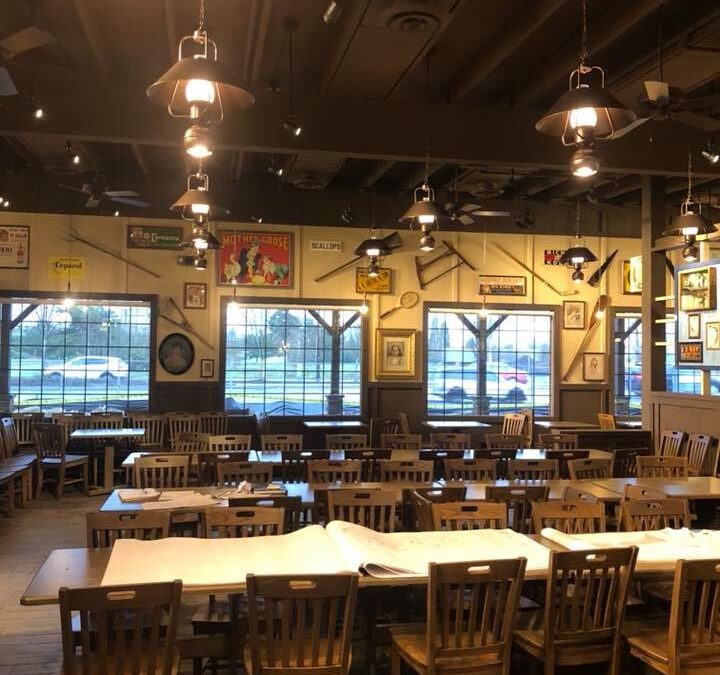
Commercial lighting installation involves setting up lighting systems designed for business spaces, from retail stores to warehouses, with proper electrical work, fixture mounting, and safety considerations.
Installing a commercial lighting system requires careful planning and expert knowledge to get the best results for your business. The right setup can lower your energy bills, improve how your space looks, and create a better environment for employees and customers. But many business owners struggle with choosing the right fixtures, understanding installation requirements, and avoiding common mistakes that lead to costly problems.
The process goes beyond simply hanging lights. You need to think about energy efficiency, lighting quality, maintenance needs, and local building codes.
This guide walks you through everything you need to know about commercial lighting system installation. You’ll learn why energy-efficient options matter for your bottom line, how to avoid common installation challenges, and what modern lighting technologies can do for your business.
Here’s what you need to know:
- Why energy-efficient commercial lighting matters
- Common commercial lighting challenges
- Key steps for commercial lighting system installation
- Top energy-efficient lighting technologies for businesses
- Benefits of professional commercial lighting installation
- Maintenance tips for commercial lighting systems
You’ll also discover when to hire professionals and how to keep your system running smoothly for years to come.
Why energy-efficient commercial lighting matters
Switching to energy-efficient commercial lighting delivers measurable financial benefits while meeting regulatory standards and supporting your business operations. Modern lighting systems cut power consumption, improve work environments, and reduce long-term maintenance expenses.
Reducing business energy costs
Lighting typically accounts for 20-40% of total energy consumption in commercial buildings. Traditional incandescent and older fluorescent systems waste significant electricity through heat loss and inefficient operation.
According to the U.S. Energy Information Administration (EIA), lighting accounted for about 10% of total U.S. commercial building energy use in 2018, which is a useful benchmark when estimating savings from business lighting upgrades.
Energy-efficient commercial lighting uses 75-80% less energy than conventional options. An office building spending $50,000 annually on lighting can reduce that cost to $10,000-$12,500 after upgrading to LED systems.
Per the U.S. Department of Energy (DOE), LEDs use at least 75% less energy and can last up to 25 times longer than incandescent lighting, supporting LED commercial lighting as a high-ROI option in many commercial spaces.
These systems deliver immediate utility bill reductions. The average commercial property sees a 50-70% decrease in lighting-related energy expenses within the first year of installation.
Reduced energy consumption also lowers demand charges from utility companies. Businesses operating during peak hours benefit from smaller capacity requirements and lower rate structures.
Enhancing workplace productivity and comfort
Poor lighting creates eye strain, headaches, and decreased focus among employees. Inadequate illumination in warehouses and manufacturing facilities increases safety risks and error rates.
Energy-efficient commercial lighting provides better color rendering and more consistent light distribution. LEDs offer color temperatures ranging from 2700K to 6500K, allowing you to match lighting to specific tasks and environments.
Studies show proper lighting improves productivity by 15-20% in office settings. Retail spaces with quality lighting see increased customer dwell time and higher sales conversion rates.
These systems eliminate the flicker and hum associated with older fluorescent fixtures. Employees report fewer headaches and less eye fatigue in spaces with modern LED installations.
Compliance with Portland energy regulations
Portland enforces strict energy codes through the Oregon Energy Efficiency Specialty Code. Commercial buildings must meet specific lighting power density requirements measured in watts per square foot.
The city requires buildings over 20,000 square feet to conduct energy benchmarking and report consumption data annually. Non-compliance results in fines and potential restrictions on building operations.
Energy-efficient commercial lighting helps you meet these mandatory standards. Modern systems typically operate at 0.6-0.9 watts per square foot compared to 1.5-2.5 watts for older installations.
Portland offers expedited permitting for energy efficiency upgrades. Buildings demonstrating reduced energy consumption through lighting retrofits qualify for green building certifications and tax incentives.
Reducing environmental impact
Traditional lighting systems contribute substantially to carbon emissions through electricity generation. A typical 50,000 square foot commercial building with conventional lighting produces approximately 100 tons of CO2 annually.
Energy-efficient commercial lighting cuts these emissions by 60-80%. Your facility’s carbon footprint decreases proportionally to energy consumption reductions.
LED systems contain no mercury or hazardous materials, unlike fluorescent tubes. This eliminates special disposal requirements and reduces environmental contamination risks.
Lower energy demand reduces strain on the electrical grid during peak periods. This decreased load helps prevent brownouts and reduces the need for additional power plant construction.
Long-term savings and ROI for businesses
Energy-efficient commercial lighting delivers returns beyond monthly utility savings. LED fixtures last 50,000-100,000 hours compared to 1,000-2,000 hours for incandescent bulbs and 10,000-15,000 hours for fluorescent tubes.
Extended lifespans dramatically reduce replacement costs and maintenance labor. A facility changing bulbs monthly can shift to replacement cycles of 5-10 years.
Most commercial lighting upgrades achieve full payback within 2-4 years. Facilities with high operating hours or expensive utility rates see returns in 12-18 months.
Key financial benefits include:
- Reduced labor costs for maintenance staff
- Lower inventory expenses for replacement bulbs and ballasts
- Decreased HVAC costs from reduced heat output
- Higher property values through modernized infrastructure
- Qualification for utility rebates and energy efficiency incentives
Many utility companies offer rebates covering 30-50% of installation costs. Combined with federal tax deductions, your upfront investment decreases substantially while long-term savings continue for decades.
Common commercial lighting challenges
Commercial lighting systems face several technical and operational issues that can affect safety, energy costs, and workplace performance. Understanding these problems helps you make informed decisions about maintenance and business lighting upgrades.
Outdated or inefficient lighting fixtures
Older lighting systems waste significant energy and drive up utility bills. Traditional fluorescent and incandescent bulbs consume more electricity than modern alternatives while producing less light output. These fixtures also generate excess heat, which increases cooling costs in your facility.
Outdated systems often use incompatible components that are difficult to source for repairs. You may find yourself paying premium prices for discontinued parts or being forced to replace entire fixture assemblies. The color rendering of aging bulbs deteriorates over time, making it harder for employees to see details clearly.
Energy-efficient LED technology offers immediate improvements. LEDs use 75% less energy than incandescent lighting and last 25 times longer, reducing both operational costs and maintenance frequency.
Poorly designed lighting layouts
Inadequate lighting plans create dark spots and overly bright areas within the same space. This happens when fixtures are positioned without considering the specific tasks performed in each zone. Warehouse aisles may have sufficient overhead lighting while loading docks remain dangerously dim.
Poor layout design also results from using the wrong fixture types for your ceiling height and room dimensions. High-bay facilities need different solutions than low-ceiling offices. Installing standard fixtures in tall spaces creates pools of light directly beneath fixtures while leaving surrounding areas in shadow.
Your lighting should match the work being performed in each area. Assembly lines require different illumination levels than storage areas or break rooms.
Flickering or uneven light distribution
Flickering lights indicate failing ballasts, loose wiring connections, or incompatible dimmer switches. This problem causes eye strain and headaches for employees while creating an unprofessional appearance for customers. Frequent flickering also signals potential electrical hazards that need immediate attention.
Uneven distribution occurs when fixtures provide inconsistent light levels across your space. Some areas receive too much light while others stay too dark. This wastes energy in over-lit zones and creates safety risks in dim areas.
Voltage fluctuations in your electrical system can cause both flickering and uneven output. You may notice lights dimming when heavy equipment starts up or brightening during low-demand periods.
High maintenance costs and frequent replacements
Constant bulb replacements and ballast failures drain your maintenance budget. Labor costs add up quickly when technicians spend hours changing bulbs in high or hard-to-reach locations. This disrupts normal operations and reduces productivity.
Cheap fixtures and components fail more often, requiring repeated service calls. The initial savings disappear when you factor in the total cost of ownership over the fixture’s lifetime. Emergency repairs during off-hours cost even more due to premium labor rates.
Common maintenance cost drivers:
- Bulb replacement labor (especially in high ceilings)
- Emergency service calls
- Ballast and driver failures
- Cleaning and fixture maintenance
- Electrical troubleshooting
Modern LED systems reduce these expenses significantly through longer lifespans and more reliable components.
Inadequate lighting for safety and productivity
Insufficient illumination creates dangerous conditions in warehouses, parking lots, and production areas. Employees struggle to identify hazards, read labels, or operate equipment safely. Poor visibility increases accident rates and liability exposure for your business.
Productivity suffers when workers cannot see their tasks clearly. Eye strain from inadequate lighting causes fatigue, errors, and slower work speeds. Studies show that proper illumination improves accuracy and efficiency across most job functions.
Different work activities require specific light levels measured in foot-candles. Assembly work needs 50-100 foot-candles, while general warehouse storage requires only 10-20 foot-candles. Exit routes and stairwells need consistent lighting to meet safety codes.
Proper lighting also affects employee morale and retention. Workers prefer well-lit environments that feel safe and comfortable throughout their shifts.
Key steps for commercial lighting system installation
Installing a commercial lighting system requires careful planning and execution across multiple phases. The process begins with evaluating your existing setup, designing an effective layout, selecting appropriate fixtures, adding control systems, and verifying everything works as intended.
Assessment of current lighting and energy usage
You need to start by documenting your existing lighting conditions and energy consumption. Walk through your facility and note the types of fixtures currently in use, their wattage, and operating hours. Record where lighting feels inadequate or excessive.
Measure current energy costs by reviewing utility bills from the past 12 months. This gives you a baseline to compare against future savings. Check for areas where lights stay on unnecessarily or where natural light could reduce artificial lighting needs.
Identify problem zones such as dim workspaces, harsh glare areas, or spots with frequent bulb replacements. Document the age and condition of existing fixtures since older systems often waste significant energy. Take note of any safety concerns like flickering lights or exposed wiring that require immediate attention.
Designing an efficient lighting layout
Your lighting layout determines how well your space functions and how much energy you consume. Calculate the required light levels for different areas based on their specific uses. Offices typically need 30-50 foot-candles, while warehouses may only need 10-20 foot-candles.
Plan fixture placement to ensure even light distribution without creating shadows or bright spots. Consider mounting heights and beam angles to direct light where you need it most. Space fixtures appropriately based on their output and the ceiling height.
Account for natural light sources like windows and skylights in your design. Position fixtures to supplement rather than compete with daylight. Map out electrical runs and control zones to group lights logically by area and function.
Choosing energy-efficient fixtures (LED, CFL, etc.)
LED fixtures offer the best combination of efficiency, longevity, and light quality for most commercial applications. They use 75% less energy than incandescent bulbs and last 25 times longer. LED technology has improved dramatically, providing excellent color rendering and instant-on capability.
Match fixture types to specific needs throughout your facility. Use linear LED troffers for office spaces, high-bay LEDs for warehouses, and panel lights for retail environments. Each fixture type delivers light differently and suits particular ceiling configurations.
Consider color temperature carefully when selecting fixtures. Cool white (4000-5000K) works well for task-oriented spaces like offices, while warm white (2700-3000K) creates a welcoming atmosphere in lobbies and retail areas.
Compare fixture specifications including lumens per watt, color rendering index (CRI), and rated lifespan. Higher lumens per watt means better efficiency. Look for fixtures with a CRI of 80 or higher to ensure colors appear natural and accurate.
Installing dimmers, motion sensors, and timers
Control systems reduce energy waste by adjusting or turning off lights when they’re not needed. Motion sensors work well in spaces with intermittent use like restrooms, storage rooms, and stairwells. They can cut energy consumption by 30-60% in these areas.
Install occupancy sensors in private offices and conference rooms to automatically switch lights off when spaces are empty. Use vacancy sensors that require manual activation but turn off automatically in areas where you want more user control.
Add dimming controls in spaces where light levels can vary based on tasks or time of day. Daylight harvesting dimmers automatically reduce artificial light when natural light is sufficient. This approach works particularly well for office lighting installation near windows.
Program time-based controls to match your business hours and adjust for seasonal changes. Set schedules that reduce lighting during non-business hours while maintaining security lighting. Connect controls to a central system for easier management across large facilities.
Testing and calibration for optimal performance
Once installation is complete, verify that all fixtures operate correctly and provide adequate illumination. Use a light meter to measure actual light levels in key work areas and compare them against your design specifications. Adjust fixture positions or add supplemental lighting where readings fall short.
Test all control systems to confirm they respond properly. Check that motion sensors trigger reliably without false activations and that their coverage zones overlap correctly. Verify dimmer switches operate smoothly across their full range without flickering or buzzing.
Balance light levels between adjacent zones to avoid harsh transitions. Make sure emergency lighting systems activate during power failures and meet code requirements for brightness and duration. Document all settings and configurations for future reference and maintenance purposes.
Top energy-efficient lighting technologies for businesses
Modern lighting technologies help businesses cut energy costs while improving light quality and control. LED systems, smart controls, and sensor-based solutions offer the highest returns on investment for commercial properties.
LED lighting for offices, warehouses, and retail spaces
LED commercial lighting uses 75% less energy than traditional incandescent bulbs and lasts up to 25 times longer. These fixtures provide immediate cost savings through reduced electricity consumption and lower maintenance needs.
Your office spaces benefit from LED panels and troffers that deliver consistent, flicker-free illumination. The color temperature options range from warm 2700K to cool 5000K, letting you match lighting to specific work environments.
Warehouses require high-bay LED fixtures that withstand demanding conditions. These units provide bright, uniform light across large areas while handling temperature fluctuations and dust. The durability means fewer replacements and less downtime.
Retail environments use LED track lighting and display fixtures to highlight products accurately. The minimal heat output protects merchandise and creates comfortable shopping conditions. You can also adjust beam angles and color rendering to showcase items effectively.
Smart lighting systems and automation
Smart lighting connects your fixtures to centralized controls through wireless networks or building management systems. You gain real-time monitoring, scheduling capabilities, and usage analytics that identify waste patterns.
Automated systems adjust lighting based on time of day, occupancy patterns, and natural light levels. Your facility can run preset schedules that dim or turn off lights in unoccupied areas automatically.
Integration with other building systems creates additional efficiency gains. Smart lighting works with HVAC and security systems to optimize overall energy use. The data collected helps you make informed decisions about future upgrades and operational changes.
Remote access through smartphone apps or web portals lets you control lighting from anywhere. You can respond quickly to changing needs without physical access to individual controls.
Motion sensors and occupancy controls
Motion sensors activate lights only when people enter a space, eliminating energy waste in vacant areas. These devices typically reduce lighting energy use by 30-60% in appropriate applications.
According to Lawrence Berkeley National Laboratory (LBNL), a meta-analysis found average lighting energy savings of about 24% from occupancy-based controls (with higher savings when multiple control strategies are combined), which supports using occupancy sensors and smart controls in office lighting installation and shared spaces.
Passive infrared (PIR) sensors detect body heat and work best in small enclosed spaces like offices and restrooms. Ultrasonic sensors use sound waves to detect motion and suit larger open areas. Dual-technology sensors combine both methods for maximum accuracy and fewer false triggers.
Your installation should include adjustable timeout settings that determine how long lights stay on after detecting the last motion. Settings typically range from 30 seconds to 30 minutes depending on room usage patterns.
Occupancy controls work particularly well in conference rooms, storage areas, break rooms, and private offices where usage is intermittent.
Daylight harvesting solutions
Daylight harvesting systems use photosensors to measure natural light levels and automatically dim or turn off electric lights. Your facility captures free sunlight while maintaining consistent illumination levels throughout the day.
The sensors continuously monitor ambient light and adjust fixture output to compensate for changing conditions. This maintains your desired light levels while minimizing electricity use during peak daylight hours.
Closed-loop systems measure light at the work surface and provide more precise control. Open-loop systems measure only incoming daylight and cost less to install. Your choice depends on the application requirements and budget.
Perimeter zones within 15 feet of windows offer the greatest savings potential. Interior spaces with skylights or light wells also benefit from daylight harvesting controls.
Energy-efficient exterior and parking lot lighting
LED exterior fixtures reduce parking lot and building perimeter energy costs by 60-70% compared to metal halide or high-pressure sodium lights. The improved color rendering enhances security camera performance and creates safer environments.
Modern fixtures include integrated controls that adjust output based on time or occupancy. You can program higher light levels during peak hours and reduced levels during low-activity periods.
Wall packs illuminate building entrances and loading docks with focused light distribution. Pole-mounted area lights cover parking lots and pathways with even illumination patterns. Canopy lights serve gas stations and covered walkways with weather-resistant designs.
Dark sky compliant fixtures direct light downward to reduce light pollution and glare. The targeted distribution improves visibility while using less energy and respecting surrounding properties.
Benefits of professional commercial lighting installation
Professional commercial lighting installation delivers measurable improvements in energy costs, safety standards, and building value. Licensed electricians design and implement systems that meet code requirements while reducing long-term expenses.
Improved energy efficiency and lower utility bills
LED lighting systems installed by professionals can reduce your energy consumption by 40% to 75% compared to traditional lighting. This translates to significant savings on monthly utility bills, often paying for the installation cost within two to three years.
Professional installers assess your space to determine optimal fixture placement and lighting levels. They calculate the right number of fixtures needed to eliminate over-lighting, which wastes energy without improving visibility. Licensed electricians also install compatible dimming controls and sensors that adjust lighting based on occupancy and natural light availability.
Your energy savings continue throughout the system’s lifespan. LED fixtures typically last 50,000 to 100,000 hours, which means less frequent replacements and lower maintenance costs. Professional installation ensures proper electrical connections that maximize fixture efficiency and prevent energy loss through faulty wiring.
Enhanced safety and visibility
Proper lighting installation eliminates dark spots and shadows that create hazards in your commercial space. Professional electricians conduct lighting assessments to identify areas requiring task lighting, emergency lighting, and general illumination based on safety codes.
Licensed installers position fixtures to provide uniform light distribution across walkways, stairwells, parking areas, and work zones. This reduces accidents, improves security monitoring, and helps employees perform detailed tasks with less eye strain.
Emergency lighting systems must meet specific safety requirements during power outages. Professional installers ensure backup lighting activates automatically and provides adequate illumination for safe evacuation. They also install exit signs with proper brightness levels and placement according to building codes.
Reduced maintenance and replacement costs
Professional installation extends the lifespan of your lighting fixtures through correct mounting, proper electrical connections, and appropriate fixture selection for each environment. Poor installation causes premature failures from vibration, moisture exposure, or electrical issues.
LED systems installed by licensed electricians require minimal maintenance compared to fluorescent or incandescent fixtures. You’ll spend less on replacement bulbs, ballasts, and service calls. Professional-grade fixtures also include better warranties that protect your investment.
Licensed installers use quality mounting hardware and weatherproof connections for outdoor fixtures. They seal electrical boxes properly to prevent moisture damage and select fixtures rated for your specific conditions. This attention to detail prevents recurring maintenance issues that drain your budget.
Compliance with building and energy codes
Building codes specify lighting requirements for commercial spaces based on occupancy type, square footage, and intended use. Professional installers know current National Electrical Code (NEC) standards and local amendments that affect your project.
Energy codes mandate minimum efficiency standards and lighting controls for commercial buildings. Licensed electricians ensure your system meets Title 24 requirements (in California) or ASHRAE standards applicable to your location. Non-compliant installations can result in failed inspections, fines, and costly retrofits.
Professional installers pull necessary permits and schedule required inspections. They document the installation with proper electrical diagrams and compliance certifications. This documentation proves code compliance during property transactions and insurance claims.
Increased property value and aesthetic appeal
Quality lighting installation enhances your building’s market value by demonstrating professional maintenance and energy-efficient infrastructure. Commercial property buyers and tenants prioritize buildings with modern lighting systems that reduce operating costs.
Strategic lighting design highlights architectural features, merchandise displays, and brand elements. Professional installers use a combination of ambient, task, and accent lighting to create inviting environments that attract customers. They position fixtures to eliminate glare on computer screens and products while providing adequate illumination.
Your lighting system affects how clients and employees perceive your business. Well-lit spaces appear cleaner, more professional, and better maintained. Professional installation ensures consistent color temperature across fixtures and proper beam angles that showcase your space effectively.
Maintenance tips for commercial lighting systems
Keeping your commercial lighting system in good working order requires regular attention to cleaning, component replacement, and system updates. These steps help you avoid costly repairs, reduce energy waste, and maintain safe lighting levels throughout your facility.
Regular inspections and cleaning
Schedule visual inspections of your lighting fixtures every three to six months. Look for flickering lights, dim bulbs, or fixtures that have stopped working completely. Check for signs of damage like cracked lenses, loose mounting hardware, or exposed wiring.
Dust and dirt reduce light output by up to 30 percent over time. Clean your fixtures at least twice a year using appropriate cleaning methods for each fixture type. For basic fixtures, use a soft cloth and mild cleaning solution. Turn off power to the fixtures before cleaning.
Pay special attention to high-bay lights in warehouses or industrial spaces where dust accumulates faster. Industrial facilities may need monthly cleaning schedules. Keep a maintenance log that tracks when each fixture was inspected and cleaned.
Replacing worn or inefficient components
Replace bulbs before they burn out completely to avoid sudden darkness in work areas. Group relamping saves time and money compared to replacing individual bulbs as they fail. Plan replacements based on the rated lifespan of your bulbs.
Old ballasts cause lights to flicker or fail to start properly. Replace magnetic ballasts with electronic versions to improve performance and reduce energy use. Check for signs of ballast failure like buzzing sounds, slow starting, or visible damage.
Worn components waste energy even when they still produce light. A fixture that worked well five years ago may now use significantly more power to produce less light. Track the age of major components and budget for systematic replacements.
Updating technology for energy efficiency
LED systems use 75 percent less energy than traditional lighting and last up to 25 times longer. Calculate your potential savings by comparing current energy bills to projected LED costs. Most businesses see a return on investment within two to four years.
Add occupancy sensors in storage rooms, restrooms, and conference rooms where spaces sit empty for hours. Motion sensors automatically turn lights off when no one is present. This simple upgrade typically reduces lighting energy use by 20 to 30 percent.
Install dimming controls and daylight harvesting systems to adjust light levels based on available natural light. Smart lighting systems let you program schedules and control fixtures remotely. These technologies give you precise control over your commercial lighting maintenance costs.
Monitoring energy usage and performance
Track your monthly lighting energy consumption using your utility bills or a sub-metering system. Compare usage patterns across months and years to spot increases that signal maintenance issues. A sudden spike often means fixtures are working harder due to dirty lenses or failing components.
Measure light levels with a light meter in key work areas quarterly. OSHA requires specific illumination levels for different tasks. Document these readings to ensure your spaces meet safety standards and maintain consistent lighting quality.
Set up alerts for circuit breakers that trip repeatedly or areas where multiple fixtures fail at once. These patterns indicate electrical problems that need immediate attention. Early detection prevents larger system failures and costly emergency repairs.
Professional support for complex lighting systems
Hire licensed electricians for any work involving electrical panels, high-voltage fixtures, or complex control systems. Professionals have the training and equipment to work safely at heights and with live electrical systems. They can spot problems that aren’t obvious during routine inspections.
Create a service agreement with a commercial lighting maintenance company for facilities with extensive lighting systems. These contracts typically include regular inspections, emergency repairs, and priority service. You’ll have expert support without managing multiple vendor relationships.
Large facilities benefit from having a detailed lighting system map that shows fixture locations, circuit layouts, and component specifications. Share this documentation with your maintenance team and contractors. Updated records make repairs faster and help you plan future upgrades more effectively.
Conclusion
A commercial lighting system installation requires careful planning and professional execution. You need to consider energy efficiency, safety standards, and the specific needs of your space. The right lighting system will serve your business for years to come.
Working with qualified professionals ensures your installation meets all electrical codes and industry standards. Electrical engineers and licensed contractors bring the expertise needed to handle complex wiring, fixture placement, and control systems. Their knowledge prevents costly mistakes and safety hazards.
Your investment in quality commercial lighting pays off through lower energy bills, improved workplace conditions, and enhanced property value. LED technology offers the best return on investment with reduced maintenance needs and longer lifespans compared to traditional lighting options.
Monitor your new lighting system’s performance during the first few months. Track energy consumption and gather feedback from employees or customers. This information helps you make any needed adjustments to optimize the system.
Regular maintenance keeps your commercial lighting operating at peak efficiency. Schedule periodic inspections and replace components as needed. Taking care of your lighting system protects your investment and maintains consistent performance throughout your facility.Request an estimate from Peak Electric Group for commercial lighting system installation so you can align fixture selection, LED commercial lighting controls, and code-compliant wiring with your facility’s energy-efficiency targets and operating needs.
Recent Comments